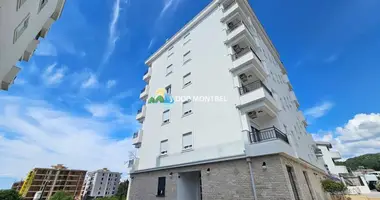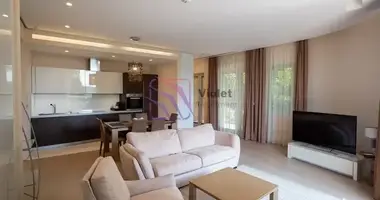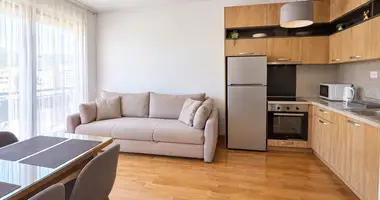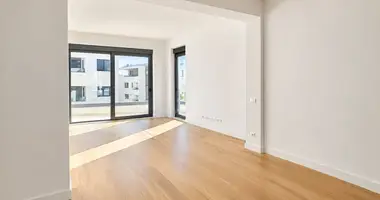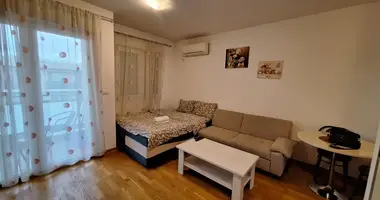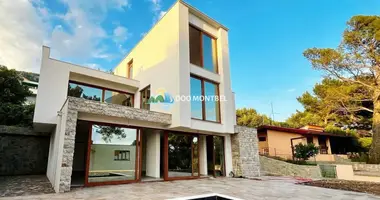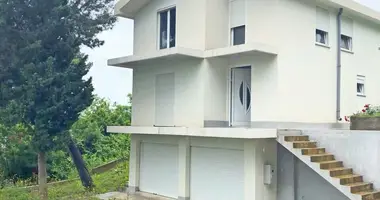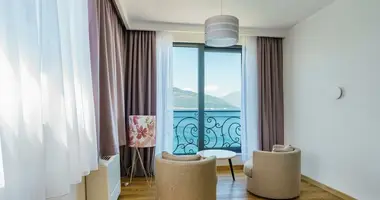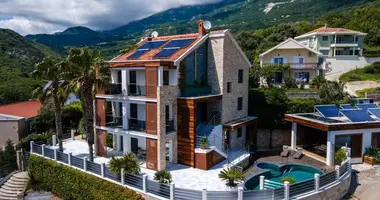

The legal cleanliness of the property can be checked through the cadastre by requesting the "list of immovable property" (title deed) to verify ownership, encumbrances, debts, and the legality of construction. Alternatively, you can hire a lawyer to do this for you, but it will cost between €500–1000.
Additional taxes and fees include property transfer tax (3–6% of the market value, progressive), notarial fees (0.01–0.5% + fixed fees), legal services (0.5–1%), cadastre registration (around €100–200), agent commissions (2–3%, often split with the seller), VAT (21% for new properties, if applicable). Total additional costs range from 4–8% of the price.
Knowledge of Montenegrin is not required for purchasing property, as many realtors, notaries, and lawyers speak English. A court translator will be provided by the notary if you do not understand the contract. However, it affects the final real estate prices in Montenegro due to specialist commissions.
Budva is considered the best city for an active lifestyle. Kotor offers quieter, older streets and an authentic experience. Tivat is more modern with luxury housing developments. For those looking to work within the country, Podgorica and Herceg Novi are ideal, offering everything needed for family living. Alternatively, Ulcinj is a budget-friendly option on the southern coast.
Montenegro offers a relatively low cost of living (30–40% cheaper than the EU), beautiful nature (sea, mountains), and low crime levels. Montenegro property prices are also lower than in the EU. Cons include tourism seasonality (quiet winters in coastal cities), bureaucracy in government offices, weak infrastructure in rural areas, high prices for imported goods, and a language barrier.
The best locations for investment are coastal areas: Budva, Kotor, Tivat, Herceg Novi. Investment in rental properties is also viable in Kolasin and Zabljak (winter tourism).
Foreigners need a valid passport, a tax identification number (TIN, issued in Montenegro in 1–2 days), the purchase agreement (in Montenegrin with a translation), proof of payment (bank transfer). If using a representative, a notarized power of attorney with an apostille is required.
Purchasing property allows for obtaining a temporary residence permit for one year, with annual renewals as long as the property is owned. The minimum investment amount is €200,000, and the property must be residential and habitable.
The monthly maintenance costs for a property include utilities (electricity, water, heating) — €50–120, management fees for the residential complex — 0.2–0.4 €/m², and annual property tax — 0.25–1% of the cadastral value (€100–500 per year). In tourist areas, additional seasonal costs for air conditioning and cleaning apply. The total maintenance budget is €200–500 per month for an average family.
Foreigners can freely purchase property (apartments, houses, commercial real estate) in Montenegro without any restrictions, on equal terms with citizens. They must provide a passport and a deposit for the selected property, typically 10% of the deal.
Many developers offer installment payment plans (e.g., with a down payment of 10–30% and the balance over 1–2 years) for buying property in Montenegro. Foreigners can apply for loans from local banks, but a down payment of 40–50% is required, and interest rates are higher for non-residents.
Montenegro property for sale can be purchased as joint ownership. The shares of each owner are specified in the contract and the cadastre. There is no legal limit on the number of co-owners.
Foreigners have equal inheritance rights with citizens. The process is regulated by the Inheritance Law, and property can be inherited by will or by law (to direct heirs — spouse, children, parents). There is no inheritance tax for direct relatives; for others, it is 3–5% of the market value. Notarial registration and cadastre registration are required.
The law on the legalization of real estate objects was issued in 2016.
Legalization is the process of officially recognizing buildings built without permission. It involves submitting an application, inspection, and paying fines/fees. Without legalization, a property cannot be sold, purchased, or legally secured in the Montenegro real estate market.
The real estate property that does not have a construction permit, but is included in the cadastre, can be bought and sold without any restrictions. The same conditions are applied to an object that holds a permit.
In Montenegro, the objects for demolition may include those that:
If the building was built in a place where there is no detailed urban plan, if it is listed in the cadastre and submitted for legalization, then it is legal. All actions of purchase and sale, donation, inheritance, and obtaining a residence permit are legal and have no restrictions.
Yes, you can register the property in the name of your child. If you decide to sell your property before the child reaches his or her full age, you will need to deal with the guardianship authorities.
The contract is signed in Montenegrin. If the buyer is a foreigner and does not speak the language, a court translator is required to provide an oral translation into the buyer's native language.
The transfer of ownership occurs after the buyer makes a 100% payment.
Rental real estate in Montenegro potential income depends on the location and type of property. The average annual rental yield is 4–7% net for long-term rentals. In tourist areas (Budva, Kotor), the rental yield for short-term rentals can reach 8–11% gross, considering seasonality (85% occupancy in peak season).
Most real estate transactions can be conducted through a trusted representative (lawyer or agent). A notarized and apostilled power of attorney is required, issued in the buyer’s country of residence.
For example, the company «MontBel» has a broad experience in conducting transactions through remote registration by proxy. The seller and buyer are contacted via video call. A lawyer and a court interpreter must be present on the deal. The conclusion of a contract in a remote format is no different from one conducted in person. The client uses a video link to monitor the terms and conditions of the contract signing process.
The annual property tax ranges from 0.25% to 1% of the cadastral value. Upon purchase, there is a property transfer tax of 3–6% of the market value (progressive scale).