








What to do in Spain in Winter: Ski Resorts, Beaches and Cultural Holidays


Winter in Spain is quite different from Canada and Northern Europe. From December to February, the average temperature on the Mediterranean coast remains between +15°C and +18°C, so it’s clear that snow is not to be expected in these conditions.
The number of tourists in the winter months also decreases significantly, with an average drop of 25–35% compared to the summer peak. This makes winter in Spain a great time to enjoy activities without the huge crowds at museums, and often with more affordable accommodation prices.
In this article, we’ll explore what you can do in Spain during the winter season and where exactly to go.
Winter Holidays in the Spanish Mountains
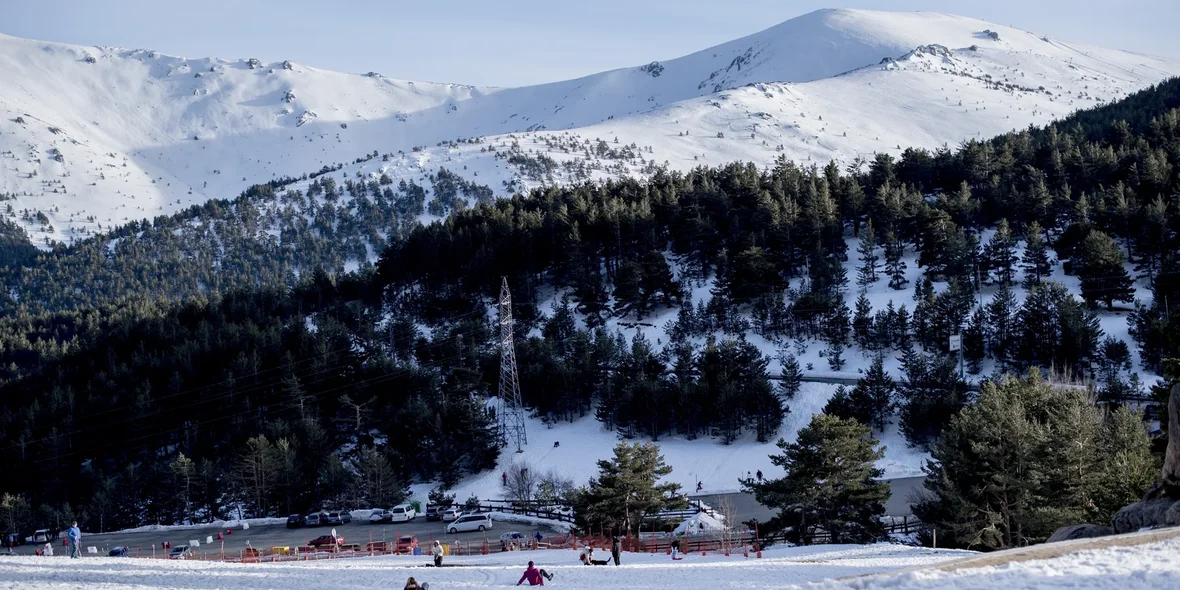
Winter in Spain isn’t necessarily about snow, but that’s not a hard rule. Spain has many ski resorts located in the high-altitude parts of the country, where the snow cover significantly increases during the winter months.
Main ski resorts:
- Sierra Nevada. One of the most famous and popular ski resorts in Spain, located in Andalusia about 30–35 km from Granada. It offers 110 km of groomed slopes for skiers and snowboarders, and the season typically runs from November through May.
- Baqueira-Beret. Located in Catalonia, this resort is considered one of the best in Spain. It features an extensive ski area with around 167 km of slopes, 112 km of which are groomed, along with excellent infrastructure for skiing, snowboarding and other winter sports.
- The Pyrenees. This mountain range stretches along the border between Spain and France. The Pyrenees region is home to several major resorts, such as Formigal and Cerler, offering slopes for all skill levels and all the necessary facilities for winter sports.
The ski season in Spain typically runs from late November to April. The best months for skiing are from January to March, although in some areas like Sierra Nevada, snow can fall as early as late October. The season in the Pyrenees may start a bit later.
From major cities such as Barcelona, Madrid or Granada, ski resorts are usually reached in two stages: first by train to the nearest transport hub, and then by bus to the final destination.
For example, Sierra Nevada is located about 40–50 minutes from Granada, with several direct buses running to the resort each day. The journey from Barcelona to Baqueira-Beret takes around 4 hours by car and about 4–5 hours by intercity bus. In many mountain regions, private transfers from nearby airports and railway stations are available and can be booked online in advance.
Winter Holidays on the Beach in Spain
Winter life on the coast doesn’t stop; on the contrary, the southern part of the country, particularly the Costa Blanca, Costa del Sol, and Canary Islands, becomes a haven for those who want to spend the season by the sea.
Popular beach destinations in Spain:
- Costa Blanca is one of the most popular winter resorts on the Spanish coast, located in the eastern part of the country. In winter, the temperature along the coast can range from +15°C to +20°C, which is even suitable for swimming.
- Costa del Sol is located on the southern coast of Spain in Andalusia. The air temperature rarely drops below +12°C, and the winter allows not only relaxing on the beach but also traveling through unique cities of the region, such as Malaga, Marbella, and Ronda.
- The Canary Islands. In winter, the temperature in the Canaries rarely falls below +20°C. There is a small downside in the form of strong winds, but overall, beach holidays can be complemented by hiking in the volcanic mountains. Tenerife is home to the highest volcano in Spain, Mount Teide.
Winter in Spain is also great for traveling through natural parks and national reserves. The Cap de Creus Natural Park in Catalonia, the Sierra de las Nieves in Andalusia, and the Ordesa National Park in the Pyrenees offer trails through both untouched wilderness and well-marked natural routes.
For those who are less interested in active holidays, a visit to Benidorm, Malaga, or Valencia is recommended, as they have spa resorts with thermal waters. Such resorts are even found in the mountains of Spain, like Sierra Nevada and Baqueira-Beret.
Cultural Holidays in Spain
During the low season, you can enjoy the atmosphere of Spanish cities and their historical heritage, especially with the noticeably reduced number of tourists. It’s always pleasant to visit the right restaurant without a two-week wait for a table.
Cultural routes through Spanish cities:
- Madrid. While winters in Madrid can be cold, the temperature rarely drops below +5°C. This is the perfect time to visit museums and galleries such as the Prado, Reina Sofia, and Thyssen-Bornemisza.
- Barcelona. In winter, Barcelona also offers many cultural events, including theater performances, exhibitions, and musical concerts.
- Seville. The city offers a chance to explore Islamic architecture, stroll through the Alcazar, and visit Seville Cathedral. During this season, the city is less crowded with tourists, allowing for a relaxed visit to major landmarks.
In winter, the country prepares for the pre-New Year holidays. Christmas and New Year are celebrated with special flair, and each region has its own unique way of celebrating. One of the most colorful events of winter in Spain is the Three Kings Festival (Epiphany), celebrated on January 6th. On this day, there are parades, fireworks, and cultural events, as well as traditional processions where the Christmas Kings give gifts to children.
For those who prefer a more relaxing getaway, there are plenty of spa centres in major tourist cities such as Benidorm, Málaga and Valencia. But if you’re interested specifically in natural thermal springs, head to the Pyrenees for example, to Caldes de Boí or Panticosa, where hot mineral waters are combined with spectacular mountain scenery.
How to Get to the Most Popular Areas in Spain
It’s not enough to just know where to go; you also need to understand how to get there. Fortunately, Spain has no transportation problems, and you can reach popular regions by virtually any means of transport.
How to reach Spain's ski resorts:
- Sierra Nevada. The closest airport to the resort is located in Granada, and the drive to Sierra Nevada takes only 40–50 minutes. There are direct flights to Granada from Madrid and Barcelona, as well as seasonal connections from London. For international travelers, Málaga Airport is a convenient alternative, with a driving time of about 2 hours to the resort. You can also reach Granada from Madrid by high-speed train (around 3 hours), and then continue by bus toward Sierra Nevada.
- Baqueira-Beret. The nearest major international airport is in Barcelona. The fastest way to reach the resort is by car, with a journey time of about 3.5–4 hours. Buses from Barcelona travel via the town of Vielha before continuing directly to the resort (5–6 hours). It’s also possible to take a train to Lleida and then continue by bus to Vielha and Baqueira-Beret.
- Formigal. The most convenient international airport is in Barcelona, while the closest one is in Zaragoza (although it receives very few international flights). From Barcelona, the drive to the resort takes about 4–5 hours. If you travel by public transport, you’ll first need to reach Sabiñánigo, and from there take a bus directly to Formigal. In this case, the total journey time is around 5–6 hours.
How to get to Spain's coast:
- Costa Blanca (Alicante). The best way to reach Costa Blanca is to fly to Alicante. There are direct flights from Madrid, London, and Berlin. You can also take an AVE train from Madrid to Alicante, which takes 2–2.5 hours. Alternatively, buses are also available.
- Costa del Sol (Malaga). You can fly to Malaga from major cities in Spain and Europe through Malaga-Costa del Sol Airport. From Madrid, the AVE high-speed train to Malaga takes 2.5–3 hours. For a more economical option, you can choose a bus, which takes 6–7 hours.
- Canary Islands (Tenerife, Gran Canaria). The Canary Islands are well connected with the rest of Europe, with numerous direct flights operating throughout the year. The main airports of the archipelago are located on Tenerife (Tenerife South and Tenerife North) and Gran Canaria. A flight from Madrid takes around 2.5 hours, while flights from Barcelona take about 3 hours. In addition to air travel, there is also ferry service from mainland Spain. Regular routes to the Canary Islands depart from the ports of Cádiz and Huelva, offering an alternative way to reach the archipelago.
Summary
Although Spain is often associated with hot summers and beach holidays, the winter season offers tourists a wide variety of options — from ski resorts to warm coastal areas.
Thus, winter in Spain is only considered the low season. In reality, the country offers all the same activities as in summer, but without the extreme heat and the crowds of tourists everywhere.
Author

I write informative articles about real estate, investments, job opportunities, taxes, etc.