








How $1.3 Trillion in Demand Is Turning Wellness Resorts into Bali’s Most Attractive Real Estate Investment


Why wellness tourism is growing by 10% annually — and how investors can benefit. The wellness tourism boom: why now is the right time to invest in a resort in Bali. How surging demand for wellness tourism is reshaping Bali’s real estate market. Wellness resort demand is growing faster than you think — insights for savvy investors. Travelers in Bali are choosing wellness. The time to invest in health is now.
Global Wellness Tourism Trends: Why Health has Become the Ultimate Investment
I’ve always believed that travel is more than just changing locations or scenery — it’s an opportunity to reset on every level. In recent years, especially after the pandemic, this belief has evolved into something deeper: wellness tourism, where recovery, health, and balance — both physical and mental — take center stage.
If travelers once came to destinations like Bali primarily for the sun, ocean, jungles, and temples, today an increasing number are seeking places where they can not only relax, but consciously invest in their body and mind.
The market clearly confirms this shift. According to the Global Wellness Institute, the global wellness tourism sector surpassed $1 trillion in 2024 and is projected to reach $1.3 trillion by 2028, growing at an annual rate of 9–10%. That’s 1.5 times faster than the overall tourism industry.
In Europe, Mordor Intelligence reports that wellness tourism reached $285 billion in 2024 and is expected to grow to $360 billion by 2029, with a compound annual growth rate of 4.79%.
While wellness trips currently account for just 7–8% of all travel journeys, they already generate 18% of total travel spending. The broader global wellness economy is valued at $6–7 trillion in 2025 and is forecast to grow faster than the global economy itself.
These figures are more than statistics — they’re a clear signal to investors. Wellness tourism is no longer a niche trend; it’s a resilient, long-term business model.
So what’s driving this growth? Let’s look at the key trends, drawing on insights from McKinsey, the Wellness Tourism Association, and other leading industry analysts.
I’ll show how these trends are shaping new traveler expectations — and why projects like AURA Wellness Resort in Bali attract not only guests, but also investors seeking stable, high-yield real estate opportunities.
Rising Demand for Deep Renewal: from Surface-Level Relaxation to True Transformation
Today’s wellness travelers are no longer satisfied with a single spa day. They’re seeking meaningful change — physical, emotional, and even spiritual. According to McKinsey, 82% of consumers in the U.S. now prioritize wellness, and this mindset is rapidly spreading worldwide.
The Global Wellness Institute predicts that between 2022 and 2027, the wellness sector will double in size, driven largely by demand for transformational travel. These are experiences where guests don’t simply unwind — they upgrade their health and lifestyle through biohacking, regenerative therapies, and longevity-focused programs.
Biohacking, named one of the top wellness trends of 2025 by the Global Wellness Summit, is no longer futuristic jargon. It includes proven practices such as cryotherapy, hyperbaric oxygen therapy, and PEMF therapy (pulsed electromagnetic fields), all designed to optimize metabolism, enhance recovery, and strengthen immunity.
Luxury travel network Virtuoso reports that resorts offering such programs — including leaders like SHA Wellness Clinic in Spain — attract high-net-worth guests willing to pay a premium for measurable results. In Asia, and especially in Bali, these modern approaches are seamlessly blended with traditional local healing practices, creating a distinctive and deeply immersive guest experience.
Sustainability is another major driver. According to the Wellness Tourism Association, 60% of travelers in 2025 (based on Booking.com data) prefer eco-conscious destinations with low or zero carbon footprints and regenerative initiatives — places where their stay benefits both personal well-being and the planet.
This goes far beyond green branding. Resorts like AURA Wellness Resort in Bali integrate zero-waste principles and actively support local communities, increasing guest loyalty by an estimated 20–30%.
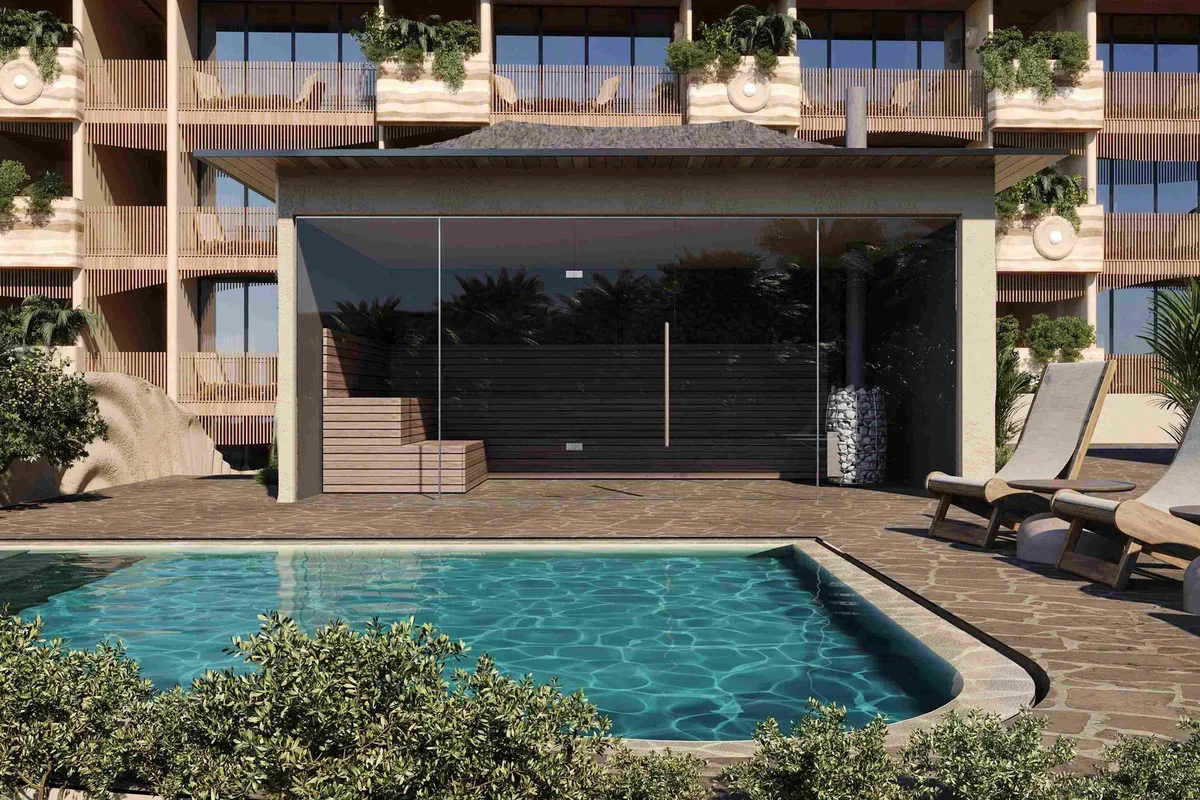
Investing in Health: Sleep, Nutrition, and Mental Recovery as the New Luxury
At its core, the wellness boom reflects a broader shift: health has become the new definition of luxury. McKinsey reports that 60% of high-income travelers now choose wellness destinations and spend, on average, 35% more than they would on a traditional holiday.
Sleep optimization is a prime example. Up to 50% of affluent travelers suffer from sleep-related issues, and hotels offering structured sleep programs increase their average spend by around 8%, according to Hospitality Net. These programs include AI-powered mattresses, circadian lighting systems, and melatonin-based rituals — all key elements of the 2025 “sleep tourism” trend highlighted by Virtuoso.
Nutrition plays an equally important role. Restorative menus featuring magnesium-rich foods, herbal elixirs, and scientifically designed detox options are no longer niche offerings. McKinsey’s Future of Wellness 2025 report notes that guests spend up to 10% more on such services, viewing them as an investment in long-term health.
Mental wellness is the third pillar. Mindfulness retreats, digital detox programs, and tech-free zones are in growing demand. According to Skyscanner, 55% of travelers in 2024 actively sought destinations that allow them to disconnect. Silent retreats, women’s wellness programs focused on hormonal balance, and burnout recovery experiences not only deliver healing — they foster strong communities that guests return to repeatedly.

Who are Today’s Wellness Travelers?
These destinations attract a highly intentional audience — people who are willing to invest in themselves.
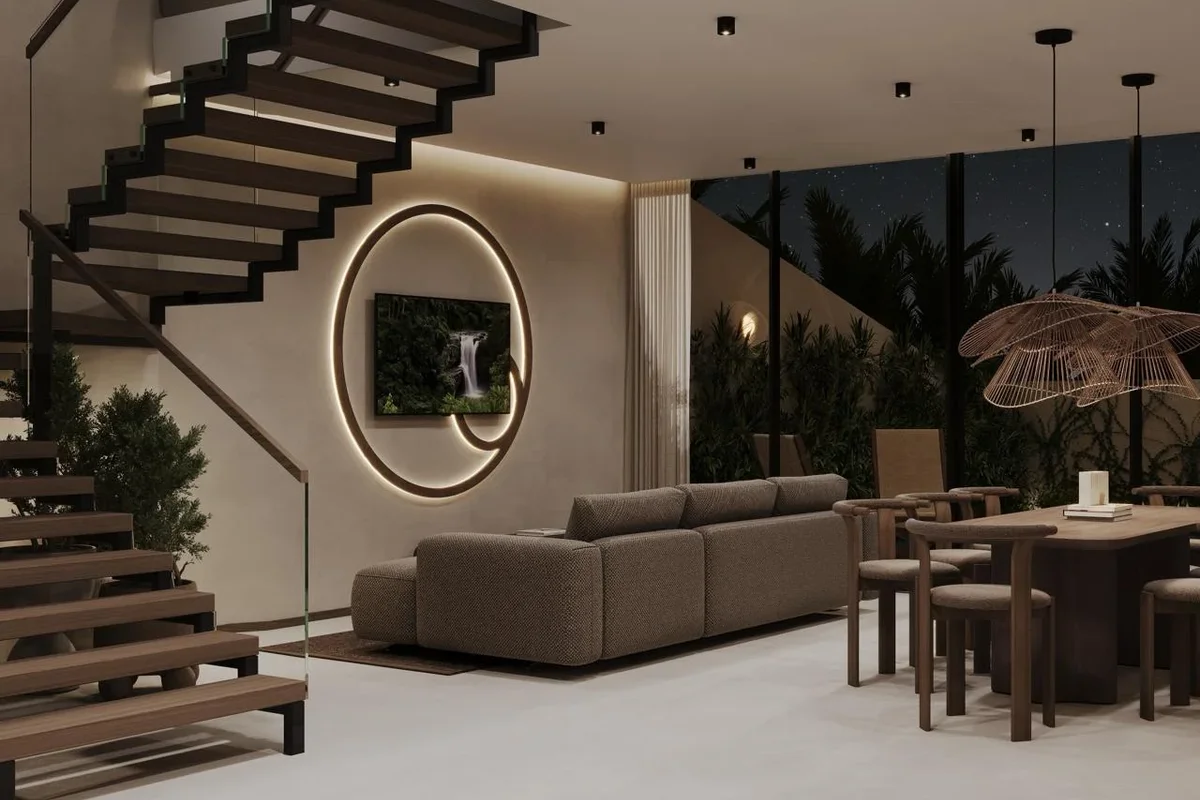
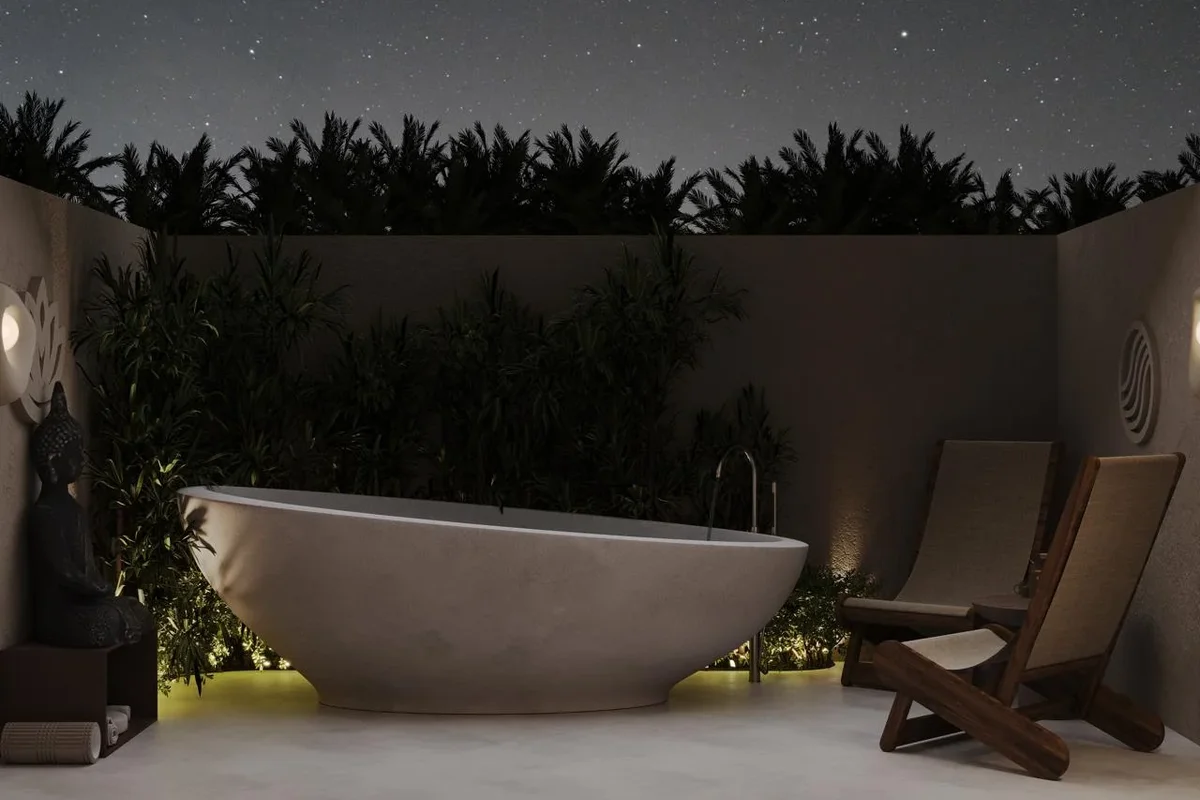
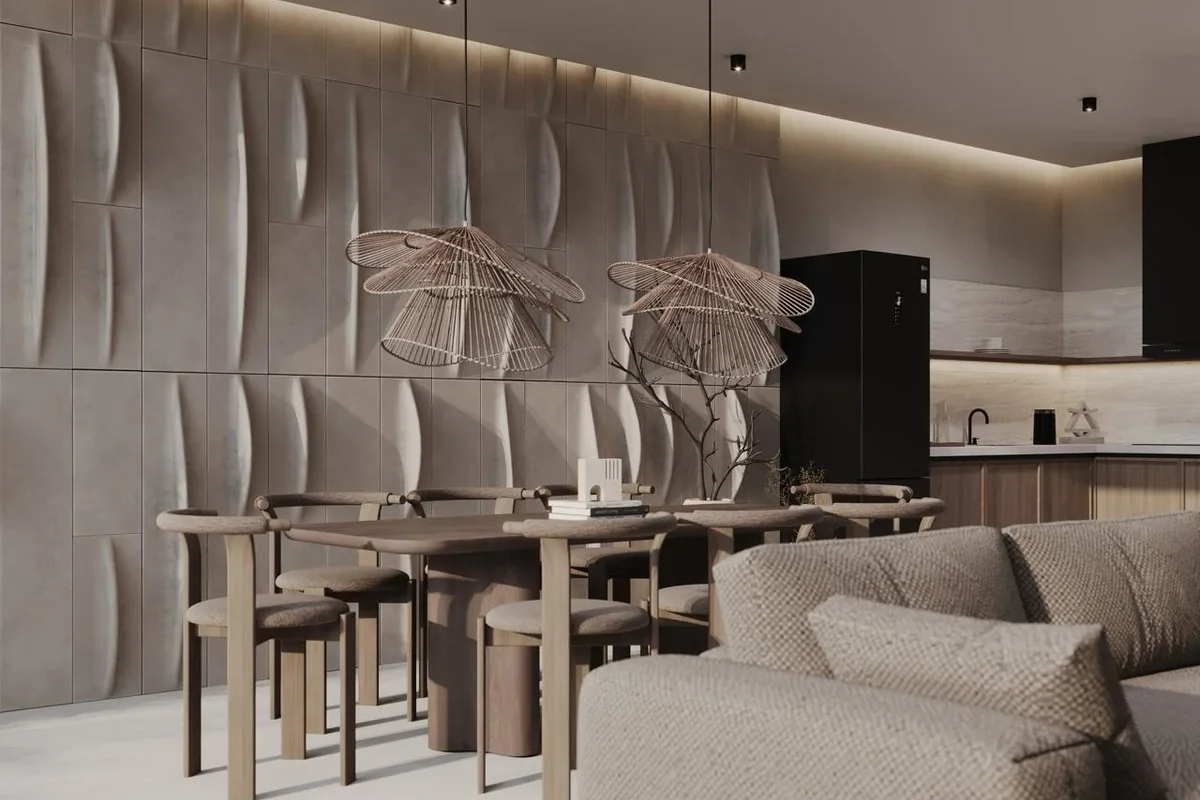
Wellness travelers aged 30–55 from Europe, the U.S., Australia, and Southeast Asia value mindfulness, emotional balance, and regular retreats focused on yoga, detox, and meditation. For them, the ideal formula is “two in one”: premium accommodation in harmony with nature combined with a structured wellness program.
Ubud has long been a magnet for this audience, and developments like AURA Wellness Resort further strengthen its appeal by combining refined aesthetics, organic cuisine, and cutting-edge biohacking in a contemporary format.
Next are digital nomads and remote professionals aged 25–45 from the U.S., Canada, Europe, Russia, and the CIS. Many stay in Bali for months while working in IT, marketing, or creative industries. For them, maintaining work–life balance is essential: morning yoga, spa treatments after long Zoom calls, and emotional decompression after intense workdays.
Instagram-worthy spaces are a must — a way to share their personal “place of power.” At AURA, they find a like-minded community through retreats, lectures, wellness practices, and yoga sessions, along with the option of long-term apartment or villa rentals designed for productive, balanced living.
Retreat organizers — yoga teachers and coaches from Europe, the U.S., and Russia — regularly bring groups of 30–40 guests to Bali for 1–2 weeks. They need turnkey infrastructure: a fully integrated wellness hub where everything is on site. Visually striking, Instagrammable environments significantly boost demand for their programs — something Bali and Ubud excel at.
Honeymooners and luxury travelers aged 25–45 from Australia, France, Japan, Singapore, and the CIS visit for 7–14 days seeking privacy, romance, and memorable experiences. Secluded villas, couples’ spa rituals, ceremonial evenings, and full digital detox with views of rice terraces and jungle landscapes make these stays truly unforgettable.
Finally, long-term expats in Bali (aged 30–60) live on the island for six months or more. They invest in regular wellness practices — yoga, sauna, massage — and value premium infrastructure without crowds. For them, AURA Wellness Resort functions as a private members’ club they’re proud to belong to.
AURA Wellness Resort: Where Global Trends Take Tangible Form
Guided by these insights, AURA Wellness Resort emerges as a clear embodiment of modern wellness travel.
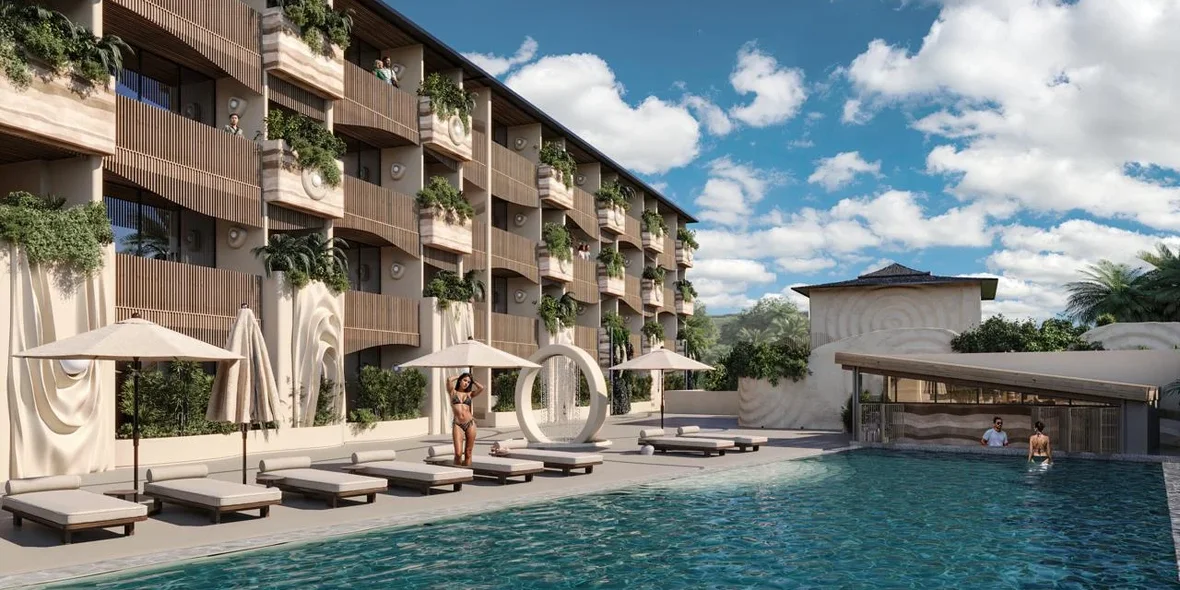
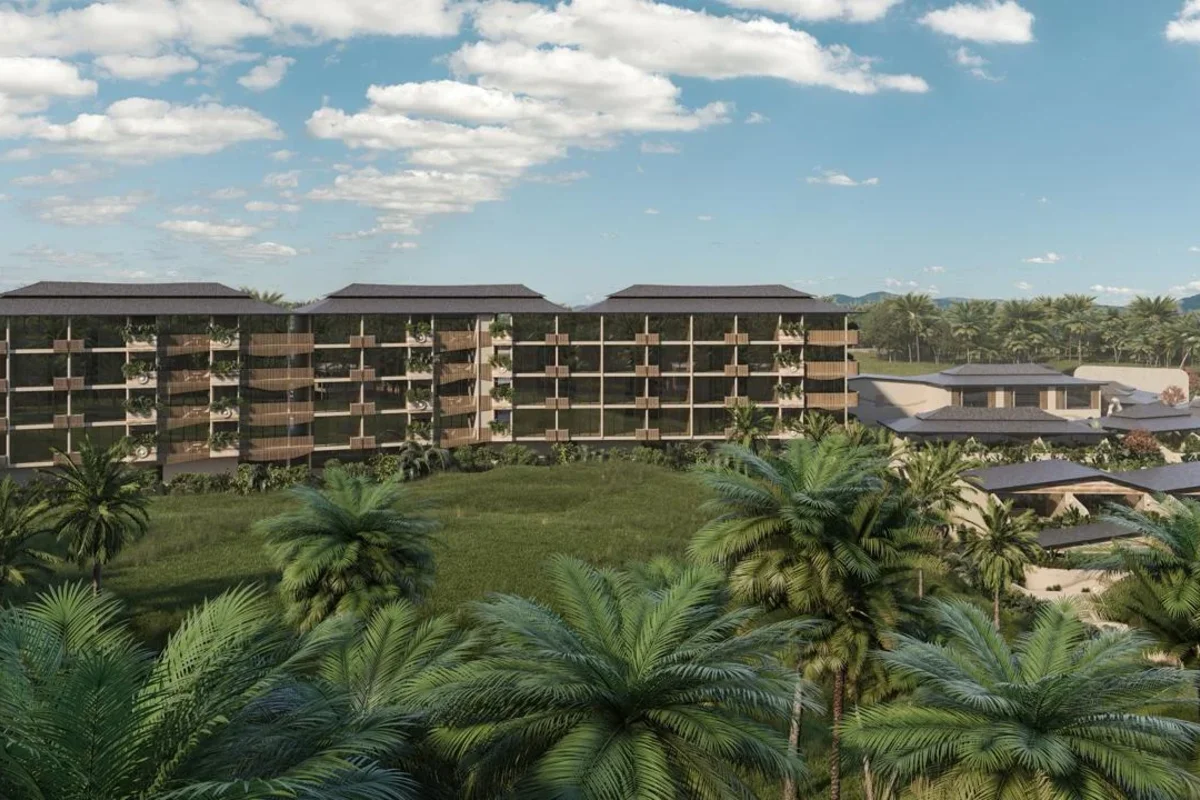
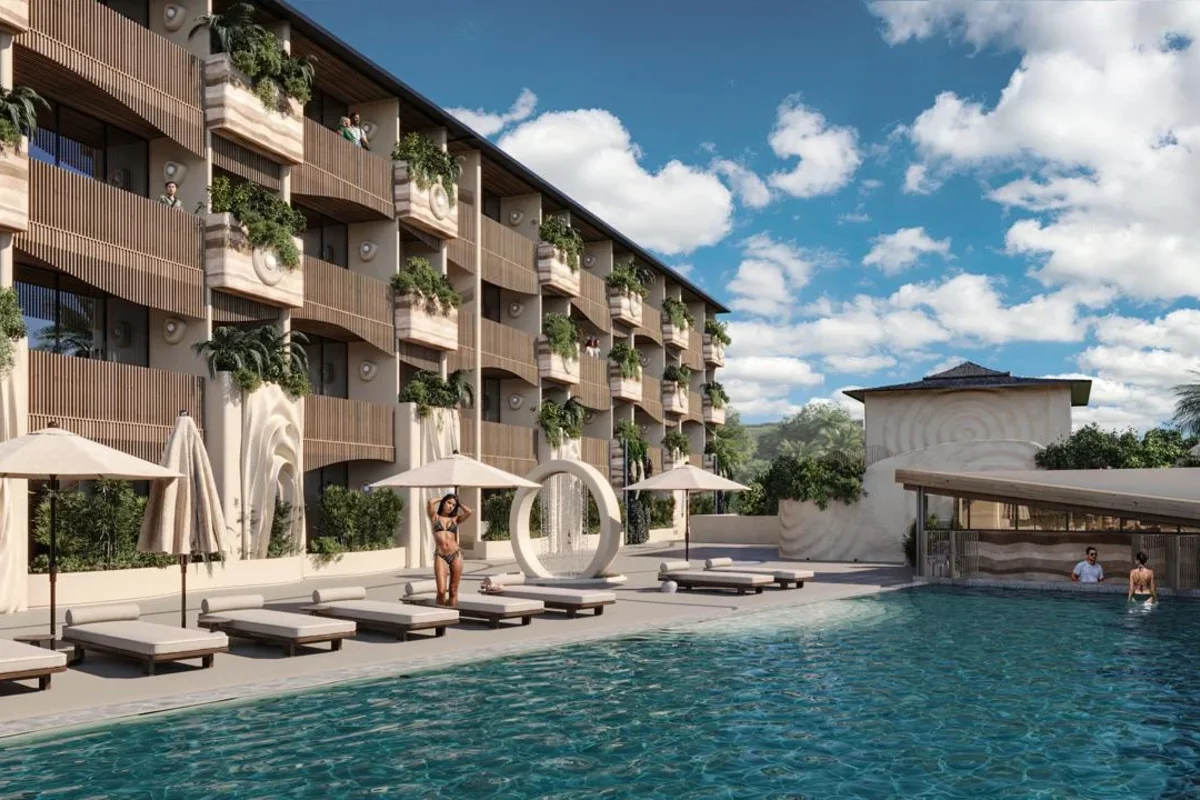
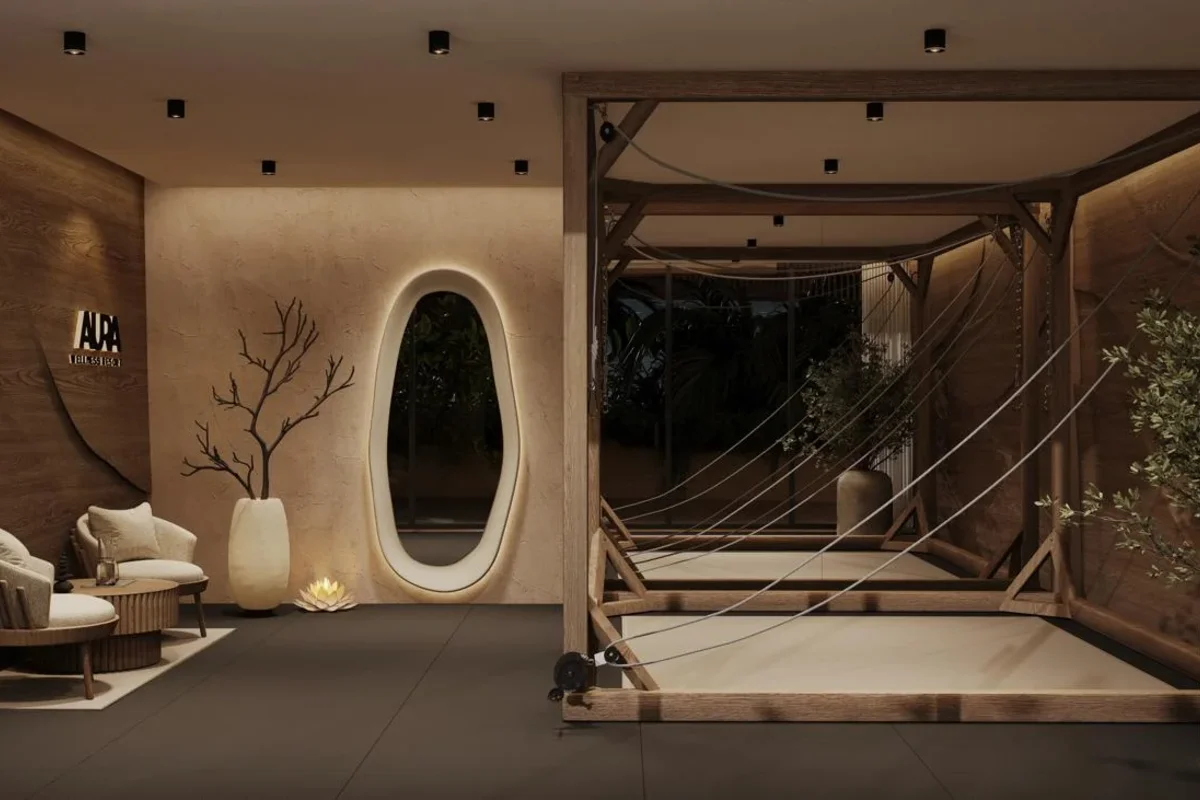
Located in the heart of Ubud — the epicenter of Bali’s wellness culture — AURA offers more than apartments and villas surrounded by pristine nature. It delivers a holistic “journey of sensations” across seven dedicated spaces featuring over 25 wellness practices, from biohacking and sound healing to traditional Balinese rituals.
The resort fully embraces personalization: guests tailor their wellness journey to their needs, whether it’s sleep optimization with herbal elixirs or detox nutrition using locally sourced ingredients. For wellness travelers, AURA becomes a complete recovery ecosystem — where comfort, organic cuisine, and meditation spaces amplify Ubud’s unique energy.
Digital nomads benefit from a seamless balance between focused work and regular rejuvenation.
Retreat organizers gain access to ready-made infrastructure for groups.
Couples enjoy privacy, romance, and digital detox.
Expats benefit from curated community membership and recurring events.
What truly sets AURA apart for investors is that it’s not just real estate in Bali — it’s a professionally structured investment in a rapidly expanding market.
Apartment and villa owners can generate income through short-term rentals managed by an experienced professional management company handling operations end to end.
For investors, this means one simple outcome: regular reports and stable passive income from wellness-driven tourism.
With the sector growing at approximately 10% annually, occupancy rates reach 80–90%, while projected ROI ranges from 12–17%, outperforming traditional tourism models. McKinsey emphasizes that high-income wellness travelers spend more and return more frequently — making wellness real estate one of the most attractive asset classes today.
In Bali, where demand for premium wellness experiences is accelerating by 15% annually (Allied Market Research), AURA Wellness Resort offers a timely opportunity to enter a market where health generates profit.
The Future Belongs to Wellness Investments
Wellness tourism continues to evolve — from simple relaxation to deep, holistic transformation. Sleep, nutrition, biohacking, and sustainability are no longer buzzwords; they’re the new baseline. With such strong and sustained growth, this is not hype — it’s the present reality.
For investors, AURA represents a path to long-term, stable returns: apartments and villas that consistently generate income from travelers searching for their personal “place of power.”
And if you’re considering high-yield international real estate investments, AURA Wellness Resort stands out as a project where global wellness trends take shape — and turn into measurable returns.
After all, investing in the health of others is, ultimately, an investment in your own future.