








The Cheapest European Countries to Live in: Top 5 with Prices


The cost of living in Europe varies far more than it may seem at first glance. According to Eurostat, in 2025, the overall price level for consumer goods and services across the EU differed by about 39% between the cheapest and the most expensive countries.
The most expensive countries are typically in Central and Northern Europe, such as France, Germany, the Netherlands, Norway, and Sweden. The most affordable, by contrast, are concentrated in Eastern Europe.
We identified five of the cheapest countries in Europe where the prices of services and everyday expenses are significantly lower than in the rest of the region.
Top 5 Cheapest Countries in Europe
In our ranking, we relied on official EU price level statistics. This indicator compares how expensive or cheap a standard basket of consumer goods and services is in a given country relative to the EU average. According to this metric, in 2025, Moldova and Bulgaria were the cheapest countries, and that is where we begin the list.
Moldova
Moldova consistently ranks first among the cheapest countries in Europe based on a combination of indicators. In the capital, the average rent for a one-bedroom apartment ranges from €220 to €320, while in regional cities prices often fall below €250.
Even taking into account the rise in utility tariffs in recent years, basic housing-related payments typically remain within €100 to €130 per month. A standard grocery basket for one adult costs on average €150 to €190, with a high share of locally produced food reducing exposure to imported inflation.
As a result, a realistic minimum monthly budget for one person in Moldova amounts to €500 to €750, including rent. This is the lowest figure among all European countries included in the comparison.
Everyday living costs in Moldova:
|
Expense category |
Price range, € |
|
One-bedroom apartment rent |
200–320 |
|
Food |
150–190 |
|
Utilities |
100–130 |
|
Transport and communication |
50–80 |
Bulgaria
According to Eurostat data for the end of 2024, Bulgaria became the record holder for the lowest overall price level. The gap compared to the EU average reached 40%. For this reason, Bulgaria is often used as a reference point for the lower boundary of living costs within the EU.
In Sofia, the average rent for a one-bedroom apartment ranges from €280 to €420, even in large regional centers such as Plovdiv or Varna. Monthly utility payments typically amount to €120 to €150.
A grocery basket for one adult costs €170 to €210 per month. Altogether, the basic monthly budget for one person, including rent, most often falls between €650 and €850. This makes Bulgaria the most affordable option within the EU when considering real overall expenses rather than individual cost categories.
Everyday living costs in Bulgaria:
|
Expense category |
Price range, € |
|
Rent |
280–420 |
|
Food |
170–210 |
|
Utilities |
120–150 |
|
Transport and communication |
40–60 |
Bulgaria benefits from low housing and service costs but lags behind in terms of wage levels. As a result, it is particularly attractive for people earning income from abroad. However, after the introduction of the euro as the main currency, prices have started to rise gradually.

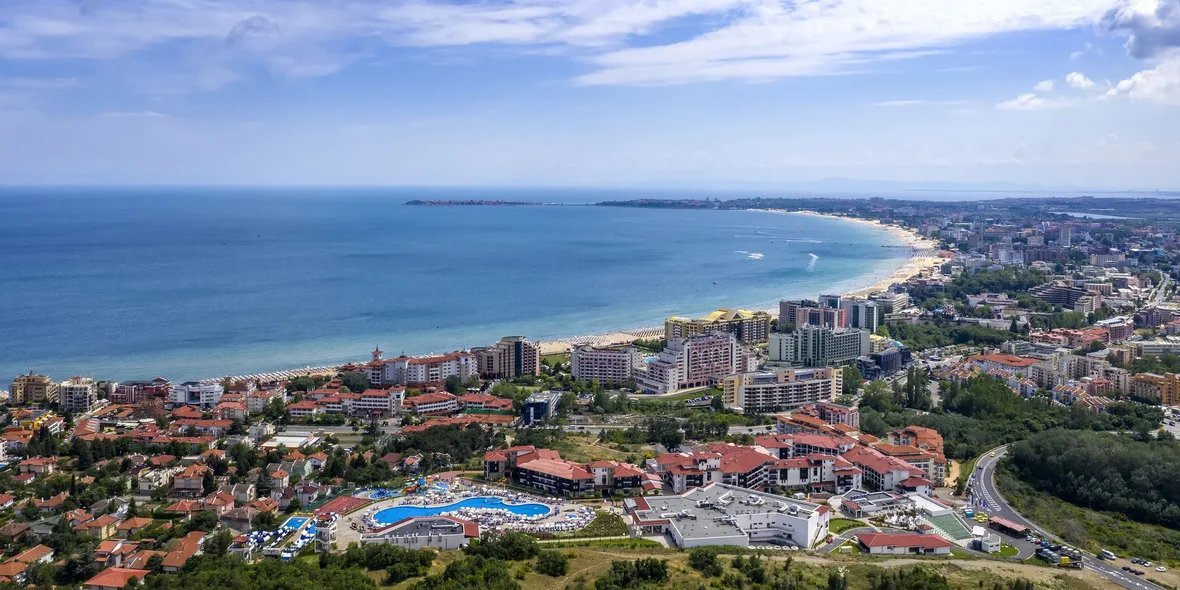
Photo source: getyourguide.ru
Romania
Romania falls into a similar price range as Bulgaria but offers higher average incomes. According to Eurostat, in 2024 the overall price level in Romania was about 30–35% below the EU average.
Housing remains the key expense category. In Bucharest, the average rent for a one-bedroom apartment ranges from €300 to €450. In second-tier cities such as Cluj-Napoca, Iași, or Timișoara, prices are often closer to €260 to €380. Utilities, transport, and communication combined usually amount to €130 to €160 per month.
A standard grocery basket in Romania costs between €180 and €220 per month. As a result, the basic monthly budget for one person in Romania, including rent, is approximately €700 to €900.
Everyday living costs in Romania:
|
Expense category |
Price range, € |
|
Rent |
250–450 |
|
Food |
180–220 |
|
Utilities |
100–150 |
|
Transport and communication |
40–60 |
North Macedonia
According to cost-of-living indices, North Macedonia is positioned near the lower end of the European scale. The main price gap is driven by housing costs. In Skopje, the rent for a one-bedroom apartment ranges from €250 to €380, while in regional centers it often falls below €300.
Monthly utility payments amount to €90 to €130, with transport and communication adding another €35 to €55. Food expenses typically reach €160 to €200 per month, provided that locally produced goods are purchased, as imported products are noticeably more expensive.
In total, when minor and unforeseen expenses are taken into account, a realistic basic monthly budget for one person averages around €700 to €820.
Everyday living costs in North Macedonia:
|
Expense category |
Price range, € |
|
Rent |
250–380 |
|
Food |
160–200 |
|
Utilities |
90–130 |
|
Transport and communication |
35–55 |
Among the clear disadvantages of living in the country are a weak labor market and relatively low wages of around €900 to €950. After covering everyday expenses, this leaves little disposable income. In addition, the country is not a member of the EU.
Serbia
Serbia is not part of the EU but remains relatively inexpensive by broader European standards. In Belgrade, the average rent for a one-bedroom apartment is €300 to €450. In second-tier cities such as Novi Sad or Niš, prices are usually lower and more often fall within €250 to €360. Utilities, transport, and communication together account for about €120 to €150 per month, which is comparable to other Balkan countries.
A grocery basket for one adult costs approximately €180 to €220 per month. As a result, the overall basic monthly budget for one person in Serbia, including minor and unforeseen expenses, typically ranges from €800 to €900.
Everyday living costs in Serbia:
|
Expense category |
Price range, € |
|
Rent |
300–450 |
|
Food |
180–220 |
|
Utilities |
100–150 |
|
Transport and communication |
40–60 |
The main driver of rising expenses has been rental housing, not only in Belgrade but across all major cities. In 2022 and 2023, due to a sharp population inflow, inflation, and limited housing supply, rental rates increased by 30–60%.
Although in 2024 and 2025 rents declined by 10–25% from their 2023 peak, in 2026 a further increase of 2–5% is forecast. Residential property purchase prices are also expected to rise, with preliminary estimates pointing to growth of 3–6%.
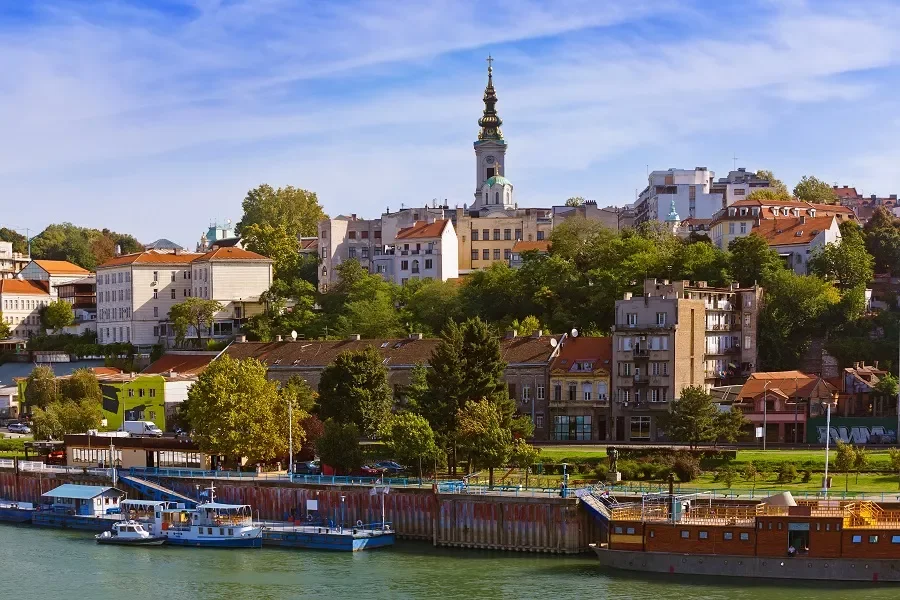
Photo source: tutu.ru
Frequently Asked Questions about living in Europe
Which European countries are the cheapest to live in in 2026?
In most cost-of-living rankings, Bulgaria, Romania, Hungary, Poland, and Slovakia consistently rank among the cheapest countries. Average expenses in these countries are around 30–50% lower than in Western Europe. The main reason is the low cost of rent and services. Prices are higher in capital cities, while in regional cities the difference can reach up to twofold.
Why are some European countries cheaper than others?
The decisive factor determining how affordable a country is remains housing. In Western Europe, the rent for a one-bedroom apartment in a capital city or major economic hub most often falls within €800 to €1200. In the lower-priced segment of Europe, comparable housing typically costs €220 to €450. With otherwise similar expenses, this alone frees up at least €400 to €700 per month.
Which European country is the cheapest for a foreigner to live in?
For foreigners, the most commonly chosen countries are Bulgaria, Romania, and Poland. The reasons are straightforward. These countries combine low prices, a large rental market, accessible healthcare, and clear residency rules. It is generally easier to rent housing without long-term contracts, and the associated costs of legalization and everyday living are lower.
Which European countries are considered the most expensive to live in?
The highest living costs are recorded in Switzerland, Norway, Iceland, Denmark, and Luxembourg. In these countries, housing rent and services are two to three times more expensive than in Eastern Europe. Even with high incomes, the basic monthly expenses for one person often exceed €2500 to €3000, and in major cities they can be significantly higher.
Author

I write informative articles about real estate, investments, job opportunities, taxes, etc.