










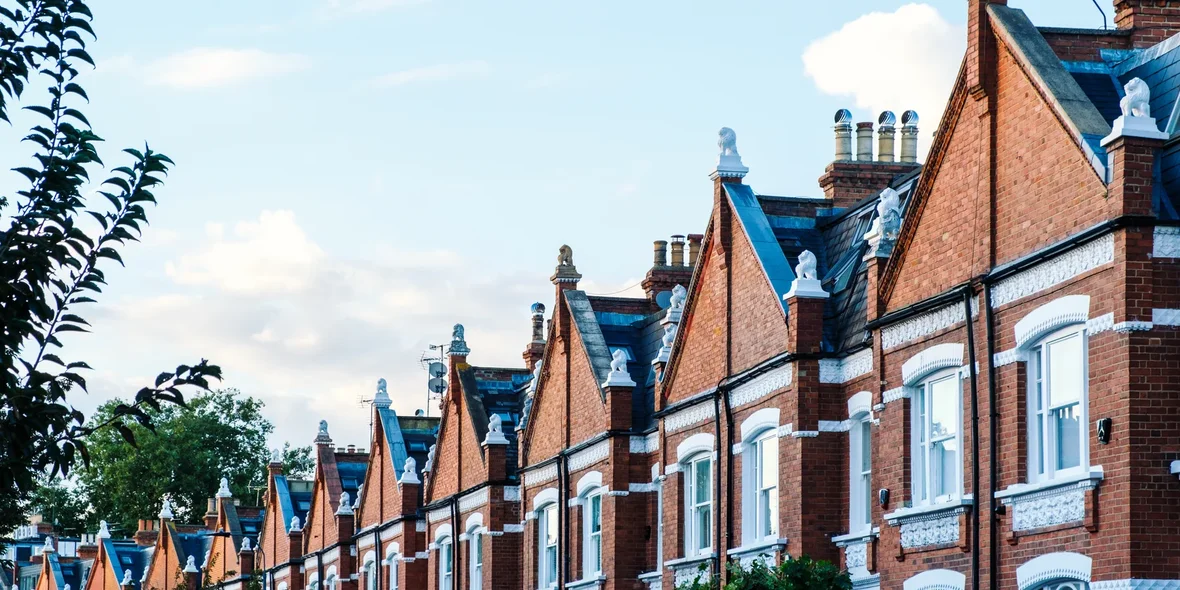
Real Estate in England: How to Buy and How Much Does It Cost


The United Kingdom consistently ranks among the top five most attractive real estate markets for international investors. This is driven by three key factors: high and steadily growing demand for rental housing, a transparent legal system, and price resilience even during periods of economic volatility.
Investor interest is supported by data: every year, tens of thousands of transactions involving non-resident buyers are registered in the national property registry, particularly in London and major university cities.
In this guide, we explain how the UK real estate market works, how to purchase property, and which additional costs must be taken into account.
Overview of the UK Real Estate Market
Over the past decade (2014–2024), UK property prices have grown by more than 78%. The main reasons are historically low mortgage rates combined with a limited supply of new housing.
This creates a classic market imbalance as the urban population increases; the pace of new construction fails to keep up. The shortage of property for sale in Great Britain drives prices up for each available unit.
The most expensive properties are concentrated in London, Manchester, Birmingham, and Leeds, while more budget-friendly options can be found in Liverpool and Newcastle. The price gap between these regions typically reaches 80–100%. This is not a temporary trend but a long-term structural feature of the UK housing market.
A distinctive aspect of the UK is that investment attractiveness is rarely based solely on capital growth. In northern cities, rental yields reach 6–8% per year, whereas in London yields are usually lower, around 3–5%, but compensated by higher liquidity and stronger long-term capital appreciation.
Types of United Kingdom property for sale:
- Freehold. The buyer owns both the building and the land underneath it. There are no mandatory management fees, and the owner faces no restrictions regarding structural changes or remodeling (subject to planning and building regulations). Freehold properties are more liquid and typically cost 10–15% more.
- Leasehold. The buyer acquires the right to use the property for a fixed term, usually between 99 and 250 years, while the land remains owned by a separate freeholder. In this case, the apartment owner is legally considered a leaseholder rather than the landowner. Leasehold ownership involves recurring charges (ground rent, service charges, and maintenance fees), which can significantly affect rental profitability.
- Share of Freehold. The buyer acquires the leasehold property in Britain and, in addition, a shared ownership interest in the freehold of the land and the building. Decisions regarding repairs, insurance, and maintenance are made jointly with other freeholders. Service charges in such arrangements are minimal or may be absent entirely.
Advantages and Risks of Buying Property in the United Kingdom
The UK real estate market is one of the oldest and most regulated in the world. However, this does not mean that it has no challenges. Several issues arise from local legal and market specifics.
Advantages of real estate in Great Britain:
- Protection of property rights. Ownership rights are recorded in the state register, HM Land Registry. For each property, official price history and past transaction data are available through the UK House Price Index.
- High rental demand. The average rent in the United Kingdom has reached £1348 per month and continues to grow at an average rate of 5 percent per year.
- Access to mortgage financing. In 2025, the average mortgage rates fell to 4.9 percent for a two-year fixed rate and 5.2 percent for a five-year fixed rate. The number of mortgage products accessible to foreign buyers increased to approximately 4600.
- Capital preservation potential. Residential property prices in the United Kingdom increase by approximately 3 percent annually. Combined with high market liquidity, this makes real estate an effective tool for property investment in the UK without significant risk of a sudden price drop.
Risks and constraints of property in the United Kingdom:
- Rising service charges. By the end of 2024, the average annual service charge for apartments reached £2300, showing an 11 percent increase within one year.
- Prevalence of leasehold ownership. In England, 98 percent of apartment sales in 2024 were structured as leasehold. As the lease term decreases, the value of the property declines. Lease extension requires significant additional costs.
- Long transaction process. The typical legal process (conveyancing) requires from 12 to 16 weeks from the offer being accepted to completion. This is especially relevant when the transaction involves a chain or when issues are identified during the survey. As a result, time and transactional costs increase.
- Higher purchase expenses for non residents. The standard Stamp Duty Land Tax scale (SDLT) includes an additional 2 percentage point surcharge for non residents. Britain's mortgage rates are also higher for expats (0.5–1%).
Property Prices in the United Kingdom in 2025
The average residential property price in the United Kingdom is estimated at £269,000 as of May 2025, which is 3.9 percent higher compared to the same period of the previous year. Monthly data shows a price decrease in London, while in the North East prices increased over the same period.
Average home price in the UK:
|
Region |
Average price |
Annual change (%) |
Monthly change (%) |
|
England (overall) |
£290,395 |
3.4 |
1.3 |
|
Scotland |
£191,927 |
6.4 |
0.0 |
|
Wales |
£209,580 |
5.1 |
0.5 |
|
North East |
£159,142 |
6.3 |
2.2 |
|
London |
£565,637 |
2.2 |
-1.4 |
|
South West |
£304,237 |
1.9 |
1.5 |
|
East of England |
£339,747 |
4.2 |
2.0 |
Average UK property prices by property type:
|
Property type |
Average price £ |
Annual change |
|
Flat |
£168,569 |
increase of 3.2 percent per year |
|
Terraced house/townhouse |
£235,296 |
increase of 4.5 percent per year |
|
Semi-detached house |
£307,685 |
increase of 3.8 percent per year |
|
Detached house |
£471,748 |
increase of 4.1 percent per year |
Taxes and Additional Costs
Taxes in the UK related to purchasing property in the United Kingdom increase the final acquisition cost by approximately 5 to 12 percent relative to the advertised price. This percentage is moderate compared to some European countries where transaction costs may reach 20 percent, but due to the high property prices in the UK, the total amount is significant.
Stamp Duty Land Tax is a property tax paid by the buyer when acquiring residential property in England and Northern Ireland. The tax is calculated using a progressive rate.
|
Property price range |
SDLT rate |
|
up to £250,000 |
0% |
|
£250,001 to £925,000 |
5% |
|
£925,001 to £1,500,000 |
10% |
|
above £1,500,000 |
12% |
For non residents, the SDLT property purchase tax in the UK is increased by an additional 2 percentage points; therefore non residents start paying SDLT even on the portion up to £250,000. The calculation is tiered. For example, if the property price is £300,000, the first £250,000 is taxed at 2 percent, and the remaining £50,000 is taxed at 7 percent.
Annual property-related taxes after purchase include:
- Service charge (applicable to apartments). Covers maintenance of common areas, security, elevators, concierge services, gym or pool if available. The typical range in London is £1800 to £4000 per year.
- Ground rent. A fixed annual payment to the landowner where the building stands. This practice is being phased out but still exists in many leasehold contracts. Usually £200 to £700 per year.
- Council tax. A municipal tax paid to the local authority. The amount depends on the region and property valuation. In London it generally ranges from £1600 to £3300 per year. In other regions, it averages £1200 to £2200 per year.
Additional one-time expenses:
- Legal fees, notary, and valuation. Conveyancing and legal services are handled by a licensed solicitor. The average cost is £1500 to £2500. A professional survey is paid separately and evaluates the technical condition of the property, hidden defects, and repair needs. The survey cost ranges from £350 to £1800.
- Bank fees. When financing through a mortgage, banks charge arrangement fees in the range of £999 to £2499. Some lenders allow these fees to be added to the loan amount instead of paying them upfront.
- Other expenses. These may include registry extracts (£20 to £910), international bank transfer fees (£25 to £50), mailbox rental, or letting agent services for property management (£200 to £600).
If the initial advertised price of a property is £500,000, the actual cost after property taxes in England and additional fees is approximately £526,500.
In the United Kingdom, rental income is subject to tax, and landlords are required to declare their earnings from renting out properties. The rental income tax rate in the UK depends on the individual's total income. Rental income exceeding the £1000 property allowance is taxed based on the taxpayer's income tax bracket. The basic rate of income tax is 20%, while higher earners may face 40% or even 45% in tax on their rental profits.
Property income tax in the UK also includes income earned from renting out commercial properties and is subject to similar tax rules. Owners can deduct expenses such as property maintenance, management fees, and mortgage interest from their rental income.
Step-by-Step Process of Purchasing an Apartment in the United Kingdom
The process of buying property in the United Kingdom begins with selecting a suitable property. The first legally relevant step is making an offer. The offer is submitted through the estate agent and must include the price, conditions of the purchase (for example, whether a mortgage is involved and expected completion dates), and sometimes financial proof such as proof of funds or a mortgage Decision in Principle. The seller can accept the offer, reject it, or negotiate the terms.
If the offer is accepted, the next step is to appoint a solicitor or licensed conveyancer. This specialist performs the following tasks:
- checks the seller’s legal documents;
- requests information from local authorities (searches);
- reviews the type of ownership (leasehold or freehold);
- identifies restrictions, outstanding debts and easements;
After that, a technical inspection of the property must be arranged. The survey is carried out by an independent surveyor, not by the seller or the selling agent. If defects are identified, the survey report often becomes a strong basis for negotiating a price reduction.
When both parties agree on the terms, they proceed to the exchange of contracts. The contract specifies the final purchase price and key terms of the transaction. At this stage, the buyer pays a deposit that typically equals 10 percent of the purchase price or more in the case of investment purchases. After the exchange, withdrawal is no longer possible without financial penalties.
The transaction is completed when the buyer transfers the remaining funds. The seller then hands over the keys. After completion, the solicitor registers the ownership with HM Land Registry, and the buyer receives the official title document confirming legal ownership of the property.
Mortgage in the United Kingdom for Foreign Buyers: Conditions, Rates and Bank Requirements
A British mortgage is a common way to finance a property purchase, although the conditions are stricter compared to local buyers. Foreign applicants face higher down payment requirements, more rigorous income verification, and higher interest rates. In 2025, the banks that work with international clients usually focus on two types of mortgages: residential (owner-occupied) and buy-to-let.
Main conditions for expat mortgages in the UK:
- Minimum down payment: usually from 25 percent. For foreign investors the required amount can reach 30 to 40 percent.
- Maximum loan amount: depends on the borrower’s income and the type of property. For buy-to-let, the bank assesses the expected rental income and applies a stress test. The rental income must exceed the mortgage payment with a margin, typically 125 to 145 percent of the calculated mortgage payment.
- Loan term: up to 25 to 30 years. Banks often limit the term so that the loan is fully repaid before the borrower reaches the age of 70 to 75 years.
- Financial verification: banks check not only income but also the source of income. If earnings are received abroad, the bank requires official documentation translated into English.
- Interest rates: average fixed mortgage rates in the UK for 2 to 5 years are approximately 4.5 to 5.5 percent annually. For buy-to-let purchases, the rate is usually 0.5 to 1 percentage point higher.
Most banks require the following documents:
- stable and verifiable income (salary, business income or investment income);
- bank statements for the last 3 to 6 months;
- employment confirmation or business registration documents;
- valid passport and, if applicable, visa or residency status in the United Kingdom;
- credit history.
If the borrower has UK credit history, the probability of approval increases, and the interest rate may be more favorable.
Lack of local credit history is not an obstacle, although it leads to stricter terms. In addition, some banks set a minimum annual income threshold, often from £75,000 or higher if the income is earned outside the United Kingdom.
Both of these factors can be compensated by a higher down payment. Banks show more willingness to approve applications from buyers who are ready to contribute 50 percent of the property price as the initial payment.
Frequently Asked Questions About Buying Property in the United Kingdom
What is the average price of British real estate for sale?
The average residential property price in England in 2025 is approximately £290,000. Price variation across regions is significant. In London, the average price already reaches about £560,000 to £570,000, while in the North East it is around £155,000 to £160,000.
The type of property also affects the price:
- an apartment in England costs on average about £165,000 to £170,000
- townhouses and terraced houses cost approximately £230,000 to £240,000
- detached houses usually start from £460,000 and above
Due to a high concentration of jobs and limited supply of housing, London consistently remains the most expensive market.
What are mortgage interest rates in the UK?
In 2025, mortgage rates for residents who live in the United Kingdom and have a local credit history range from 4.4 to 4.8 percent per year with a fixed rate for 2 to 5 years. For foreign buyers without residency, rates are around 5.2 to 6 percent and may be higher depending on the lender.
If the mortgage is intended for rental investment (buy to let), interest rates are almost always higher because banks expect rental income and factor in tenant-related risks. Foreign buyers are also required to provide a larger down payment. Instead of the usual 10 to 15 percent, they are asked to provide not less than 25 to 40 percent of the property value.
Is it possible to buy property in the UK as a foreigner?
There are no restrictions on property ownership for foreigners in the United Kingdom. Citizenship or residency status is not required. A foreigner can purchase property using personal funds or apply for a mortgage.
The only differences compared to residents are the financial conditions. Banks request a larger down payment, and non residents must pay an increased stamp duty surcharge when buying.
Is it possible to buy UK property from overseas?
There are no restrictions preventing foreign nationals or non-residents from purchasing real estate in the UK. However, when buying property from abroad, banks typically require a larger deposit, often ranging from 30% to 40%, and may charge higher interest rates.
Additionally, non-resident buyers are subject to a higher Stamp Duty Land Tax (SDLT) rate, which includes a 2% surcharge on top of the standard tax rates. The legal process will also require you to appoint a solicitor or British real estate companies who will handle the necessary checks and ensure that all paperwork is in order for the transaction. The ongoing costs, such as property taxes, maintenance fees, and utilities, can also be arranged from abroad.
Is home insurance mandatory in the United Kingdom?
Home insurance in the UK is not legally mandatory. However, it becomes compulsory if the property is purchased with a mortgage.
There are two types of insurance:
- Building insurance. Covers the physical structure of the house or apartment. It is mandatory when obtaining a mortgage.
- Content insurance. Covers personal belongings, furniture, and household items against theft, fire, or flooding. This type of home insurance in England is optional, although some landlords may require it when renting a property.
Author

I write informative articles about real estate, investments, job opportunities, taxes, etc.