









Best Countries to Buy Property Abroad in 2026: New Demand Trends


Over the past few months, interest in international housing markets has changed noticeably, and users are increasingly turning their attention to countries that until recently rarely appeared among mainstream searches.
This trend became especially pronounced amid international instability, rising anxiety, and a reassessment of personal and investment strategies. Overseas real estate is no longer viewed simply as a way to preserve capital, but rather as a tool for relocation, asset diversification, or creating a backup option.
According to Realting.com, based on actual search engine click-through data from the past three months, demand is shifting more and more toward less obvious locations. These are the destinations we will examine in this article.
Traditional leaders: destinations that remain the foundation of demand
Despite the emergence of new growth points, the foundation of investment in overseas real estate is still formed around countries that have long been perceived as reliable. These include:
- Belarus,
- Poland,
- Spain,
- Greece,
- Cyprus,
- Turkey,
- Montenegro.
Some of these countries have already developed a stable reputation among buyers from CIS countries: in some cases geographic proximity is important, in others it is developed infrastructure, a mild climate, a transparent market, or a high level of tourist demand. For many, these destinations remain the main choice when deciding where to buy property abroad.
New growth points: why attention is shifting to less obvious markets
Although traditional destinations form the basis of demand, the main interest is still focused on new directions. Let us examine them based on our search engine click-through statistics over the past three months.
The United States and Vietnam: why people are looking so far away
One of the most notable trends in recent months has been the growing interest in markets that lie far beyond the usual geography of demand. According to Realting.com, over the past three months interest in the query “buy property in the United States” has increased by 55%.
Interest in Vietnam, based on the query “buy an apartment in Vietnam,” has increased by 114%. As can be seen, geographic distance no longer plays a significant role when real estate becomes a long-term instrument for protecting capital from external shocks, especially given that these are relatively safe countries for property purchases.

The U.S. market remains one of the most liquid, and in February 2026 alone existing home sales were running at an annualized pace of 4.09 million transactions, with a median price of $398,000. At the same time, the median price was only 0.3% higher than a year earlier, which indicates that the market is not overheating and price growth has slowed to a moderate level.
Vietnam attracts buyers with a combination of economic dynamics and growth potential. The World Bank projected GDP growth of 6.8% in 2025 and 6.5% in 2026; even taking external risks into account, the country remains one of the fastest-growing economies in the region.
By the end of 2025, the average primary market apartment price in Ho Chi Minh City approached $3,900 per square meter, while in Hanoi it was already around $3,000 per square meter in Q1 2025, having increased by 32% year on year.
Serbia: why demand is growing here
Serbia remains one of the most transparent and practically oriented markets in Southeast Europe for audiences from CIS countries. The number of clicks on the query “buy property in Serbia” on Realting.com has increased by 102% over the past three months.
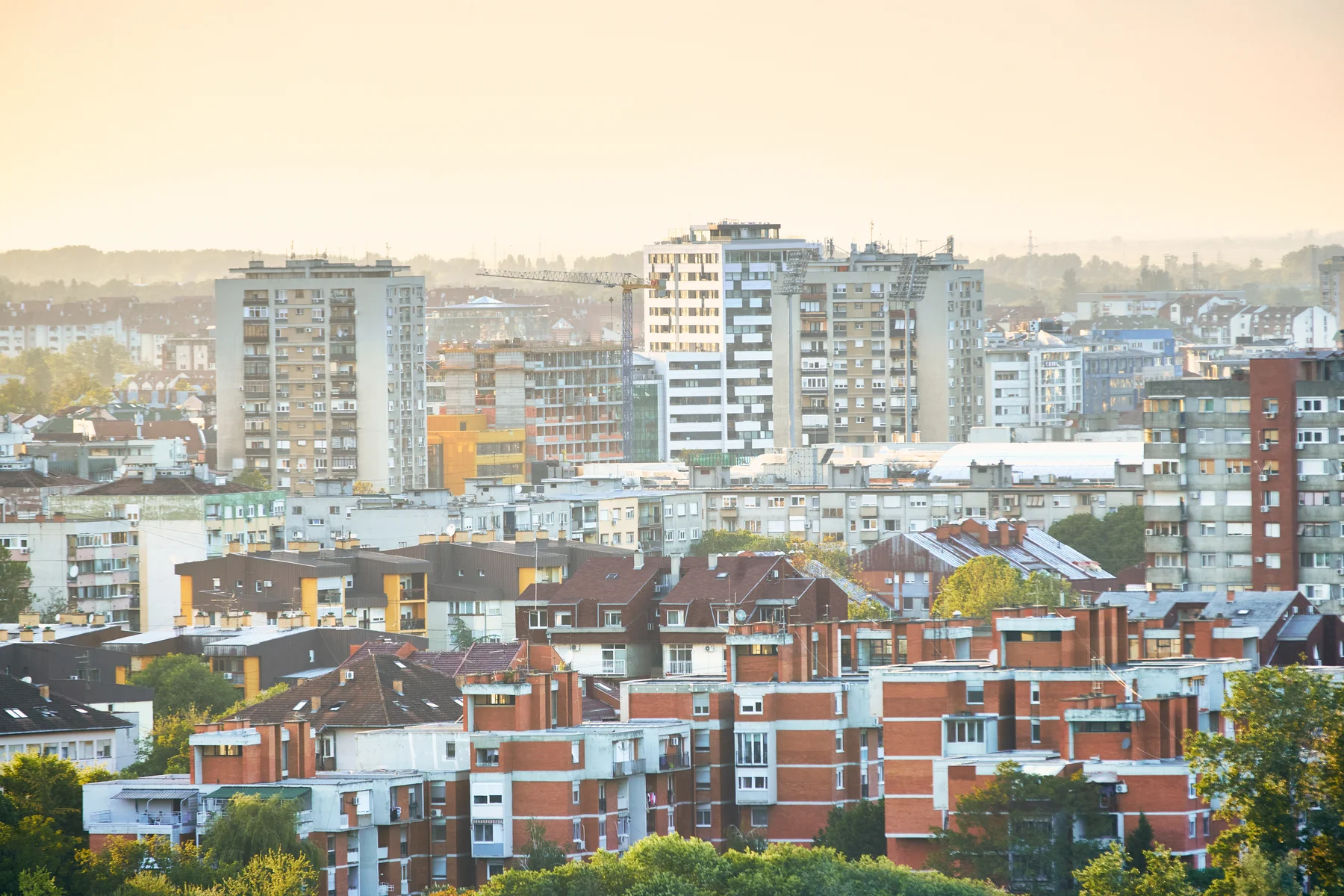
From an economic perspective, Serbia is a neutral jurisdiction and is not among the fastest-growing markets in the region; however, relocation and immigration to the country remain a relevant trend.
The World Bank estimated the country’s economic growth at 2.8% in 2025 after 3.9% in 2024, while the IMF projected around 3% in 2025 with further acceleration in 2026. At the same time, Serbia’s public debt has already fallen below 50% of GDP, and in 2024 the country received its first investment-grade rating. This indicates a phase of stabilization after the sharper growth of 2021–2022.
An important driver of demand is the rental market. The average gross rental yield for residential real estate in Serbia in Q1 2026 was 5.63%. This is a notable level for Europe, especially in Belgrade and Novi Sad.
The price factor should also be considered. The average price of new developments across the country in the first half of 2024 was about $2,150 per square meter, with a very wide range from approximately $610 per square meter in Bujanovac to about $5,180 per square meter in the Belgrade municipality of Savski Venac.
Iran: the most unusual case in the new demand structure
Iran shows the sharpest increase in interest among all the destinations considered. According to Realting.com, over the past three months the query “property for sale in Iran” has grown by 1914%. At such levels, this likely reflects not a mass entry of global investors into the market, but a sharply increased interest from internal buyer groups who, amid instability, are seeking housing away from high-risk areas.
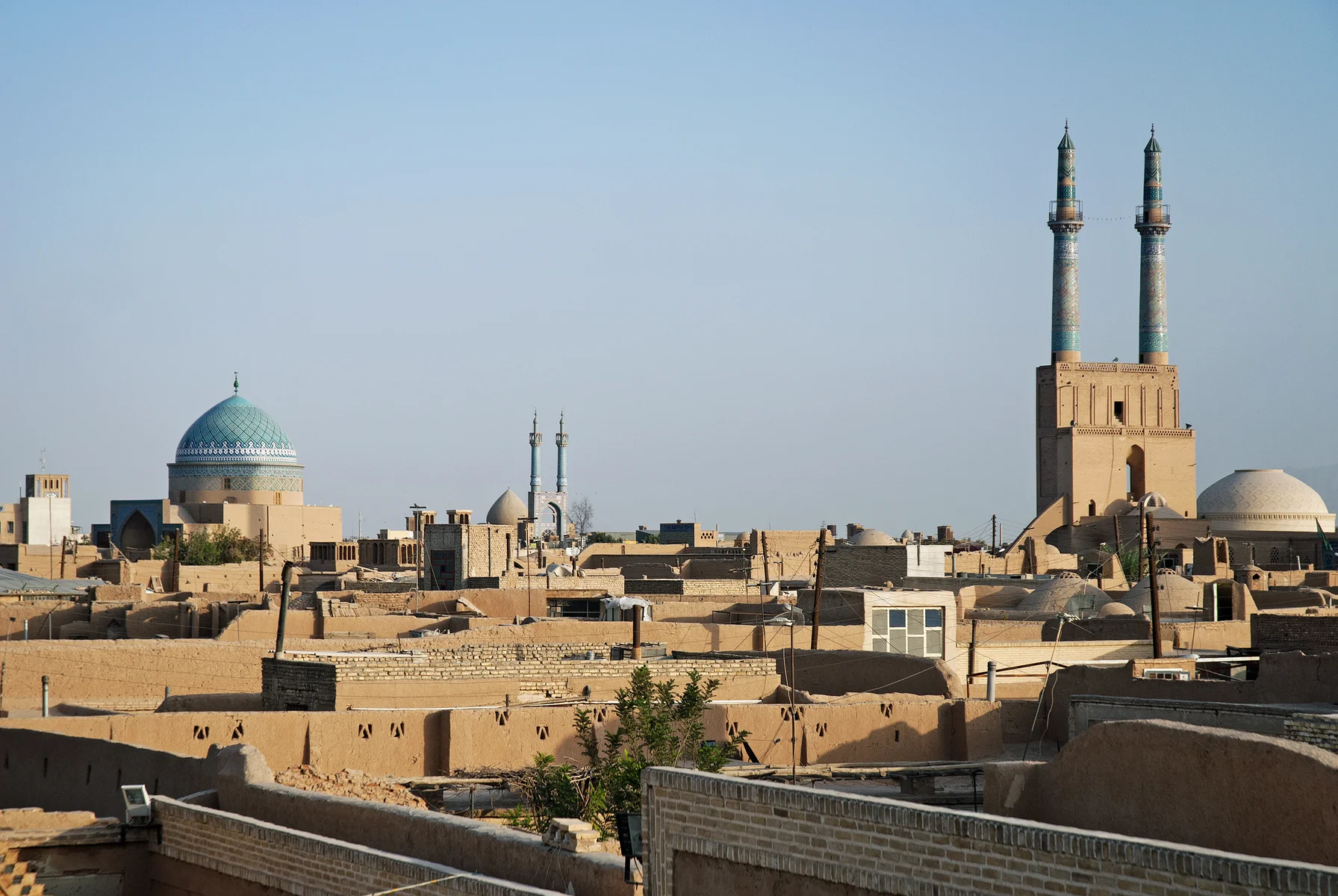
This is indirectly supported by the fact that World Bank assessments of Iran’s economy have rarely been positive. After four consecutive years of growth, GDP growth was estimated at 3.7% in the 2024/25 fiscal year, but the forecast for 2025/26 weakened to -1.7%.
Analysts noted high inflation at an average level above 20%, while the housing price index reached a historical maximum of 343.3 points in September 2025. Such figures may have discouraged Western investors.
Albania: one of the most notable “hidden” trends
Albania is increasingly establishing itself among markets that were recently considered niche but are now being perceived as a full-fledged alternative to more expensive and competitive destinations in Southern Europe.
According to Realting.com, over the past three months interest in the query “buy property in Albania” has increased by 80%. This growth appears logical given that the local market is supported by economic performance, tourism, construction activity, and a relatively low entry threshold compared to more established Mediterranean locations.
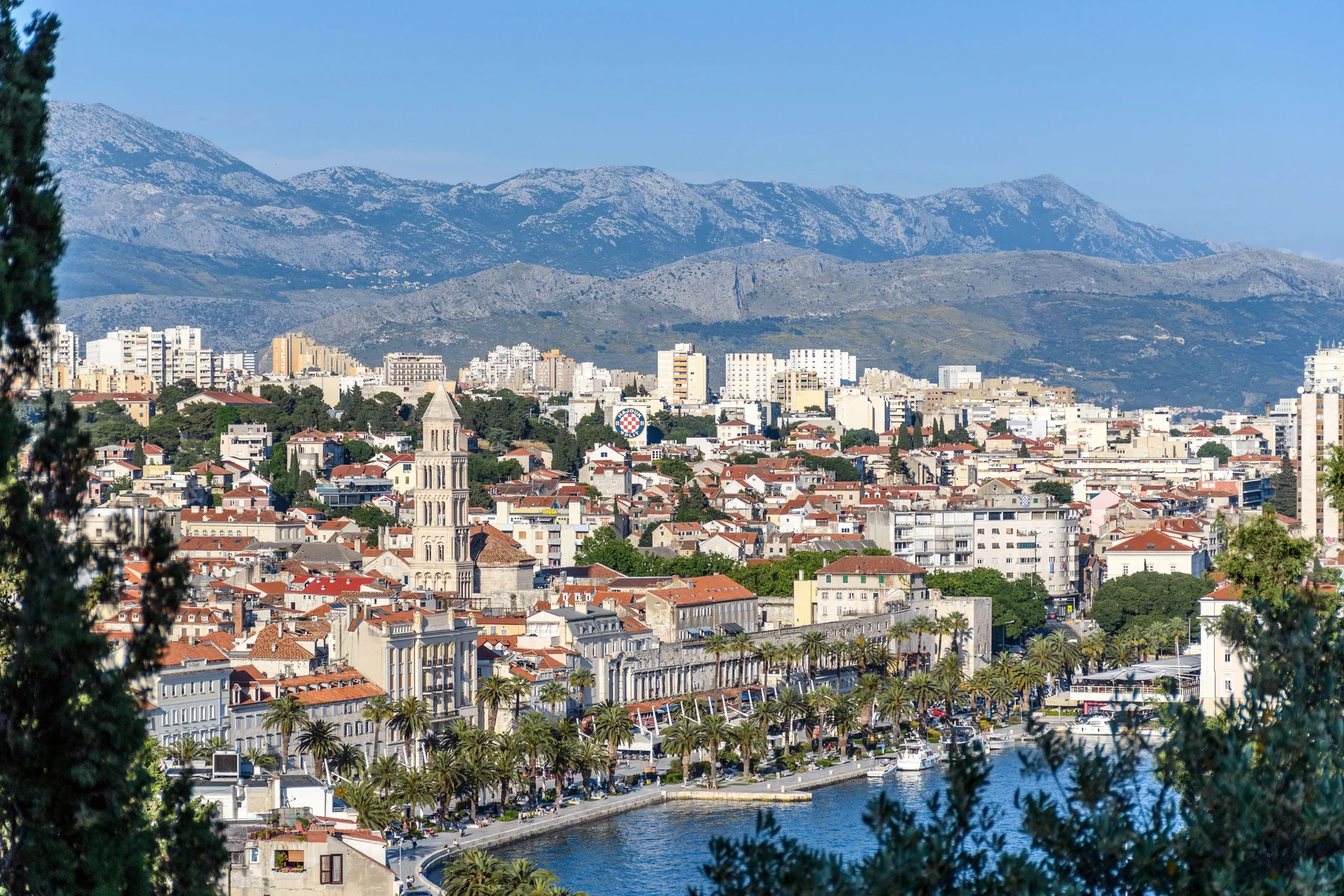
From a macroeconomic perspective, Albania currently appears stable. The World Bank estimates economic growth at 3.9% in 2024 and projects 3.2% in 2025 and 3.1% in 2026. Key drivers explicitly include consumption, investment, and tourism revenues.
Tourism has become a system-forming factor in Albania. UN Tourism reported that the country ranked third globally in terms of growth in international arrivals, receiving 10.1 million international arrivals in 2023 compared to 7.5 million in 2022.
By 2025, official INSTAT data showed continued growth in the number of foreign visitors. For example, in September 2025 the number of foreign arrivals increased by 9.9% year on year, and in December by a further 6.8%.
Another important aspect is the possibility of obtaining a residence permit through property purchase. This requires acquiring real estate with a cadastral value of at least $200,000.
Finland: renewed interest after a price correction
According to Realting.com, over the past three months the query “houses for sale in Finland” has increased by 14%. Compared to sharper dynamics in other countries, this does not look like a surge, but moderate growth is often typical for markets where buyers return after a period of price decline and begin to consider entry under new conditions.
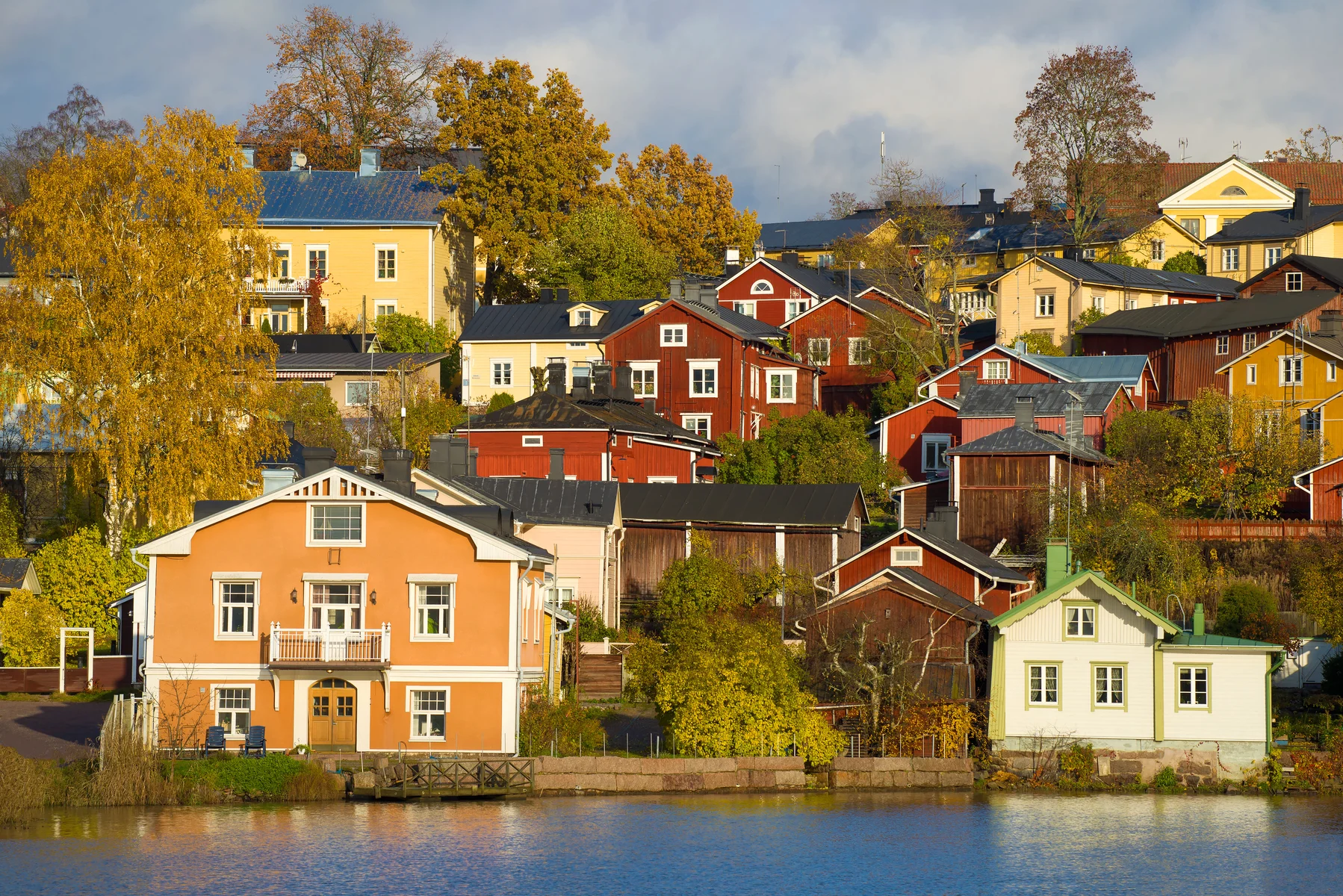
This interest has a measurable foundation. According to Statistics Finland, in 2025 prices for existing detached houses in the country decreased by 6.1%: in Greater Helsinki the decline was 3.1%, while in the rest of Finland it reached 6.7%. In Eastern Finland, the drop was even deeper at 8.8% over the year.
Statistics for Q4 2025 also show that prices for existing detached houses were 6.3% lower than a year earlier. This means that the private housing market has indeed undergone a noticeable price correction, providing grounds to speak of a more attractive entry point compared to previous peak levels.
Finland is also notable for combining two factors that rarely occur together: the price decline has already taken place, while systemic overheating risks have not yet returned.
According to Statistics Finland, the detached housing market in 2025 remained below pre-crisis levels, while data from the Bank of Finland shows that new housing loans in September 2025 increased by 11% year on year, although they were still 18% below the average September level for 2011–2024. In other words, demand has started to recover, but without sharp acceleration.
Conclusion: how demand may change over the next six months
In the coming months, interest in overseas housing markets is likely to remain shifted toward more flexible and less standardized selection scenarios. While attention was previously concentrated around a limited group of popular countries, there is now a growing demand for diversification, a broader geographic choice, and the search for markets that combine clear entry conditions with further growth potential.
It can be assumed that this trend will persist over the next six months. Traditional destinations will most likely remain in demand; however, interest in countries that were recently perceived as niche or secondary will continue to increase.
Interest in safe countries for property purchases is also likely to grow in the near term, with buyers shifting toward locations that combine legal transparency, a more predictable environment, and the absence of geopolitical tension.
Author

I write informative articles about real estate, investments, job opportunities, taxes, etc.