











Residence Permit by Property Investment in 2026


In 2026, purchasing real estate remains one of the clearest ways to obtain a residence permit abroad. For investors, this format is convenient: the investment is made into a tangible asset, while the property can be used for living, rented out, or preserved as part of family capital.
Interest in real estate-based programs remains strong, even as migration rules in Europe are becoming stricter. Some countries are introducing additional requirements for applicants, while Spain and Portugal have closed their real estate-based programs altogether.
In this article, we will look at the countries where, in 2026, purchasing real estate can genuinely serve as grounds for obtaining residence status, as well as the requirements applicants must meet.
Top 7 Countries for Obtaining Residence Through Real Estate Purchase
In this article, we compared the programs using several practical criteria. The first benchmark is the amount from which an applicant can qualify for status. In 2026, the range across countries remains significant and may vary from €250,000 to €800,000.
The next criterion is what exactly the investor receives: a temporary residence permit, long-term residence, or permanent residency. This is a fundamental difference. For example, in the UAE, purchasing real estate gives the investor a 2-year investor residence visa, while in Greece the investor receives a 5-year residence permit.
One of the main indicators of a program’s simplicity is also the absence of a strict obligation to live in the country permanently. For many investors, residence through real estate is needed as a backup option, not as an immediate relocation plan.

UAE
In Dubai, an investor can qualify for a 2-year residence visa by purchasing real estate worth approximately $204,000, or AED 750,000. If the property is purchased with a mortgage, the applicant must confirm that at least 50% of the property value has been paid, or an amount equivalent to approximately $204,000, or AED 750,000.
Real estate investors may qualify for a 10-year Golden Visa if they own one or several properties with a total value of approximately $545,000, or AED 2 million.
A residence permit gives the right to live legally in the UAE, obtain an Emirates ID, open a bank account, connect local services, rent housing, register a business, and stay in the country without short-term visa restrictions.
A separate advantage of the UAE is the ability to obtain residence permits for a spouse, children, and parents.
The process takes 7 to 10 business days, but in practice, this period should include additional time for preparing the transaction, obtaining the title deed, completing the medical examination and biometrics, and issuing the Emirates ID.
In addition to the property value, the investor should account for registration and administrative costs. In Dubai, a registration fee of 4% of the property value is usually paid when purchasing real estate. Additional expenses include the agency commission, document processing, medical test, Emirates ID, and the residence visa itself.
For family applications, the budget increases: a 2-year residence permit for a spouse costs approximately $2,010, or AED 7,382.25; for a child under 18, approximately $1,765, or AED 6,482.25; and for parents for one year, approximately $2,419, or AED 8,882.25.

Greece
To obtain a residence permit through the purchase of real estate in Greece, an applicant must meet one of the investment thresholds. In 2026, there are mainly three of them:
- €250,000. This threshold applies to special categories of properties: the conversion of commercial real estate into residential property, or the restoration of buildings with historical or protected status.
- €400,000. This is the main threshold for most Greek real estate. The investment must usually be made into one property, and its area generally must be at least 120 sq. m.
- €800,000. The highest threshold applies in the country’s most in-demand locations, including Athens, Thessaloniki, and islands with a population of more than 3,100 people. This category includes the most liquid and popular markets, where the authorities have increased the minimum investment requirement to reduce pressure on residential real estate.
The Greek Golden Visa gives the investor and their family a 5-year residence permit. The permit can be renewed every 5 years, provided that the investment is maintained and the program conditions are met.
A Greek resident may stay in other Schengen countries under the standard short-stay regime, meaning up to 90 days within any 180-day period.
Family members can be included in the application. This usually refers to a spouse, children, and certain financially dependent relatives, provided that the program requirements are met.
One of the main advantages of Greece is the absence of any requirement to live in the country permanently in order to maintain the residence permit. The investor can obtain the status, use it for travel, and renew it while keeping the property, without relocating to Greece for most of the year.
The standard processing time usually starts from approximately 4 months, but the actual duration depends on the region of submission, the quality of the file, the workload of the authorities, and the selected property type.
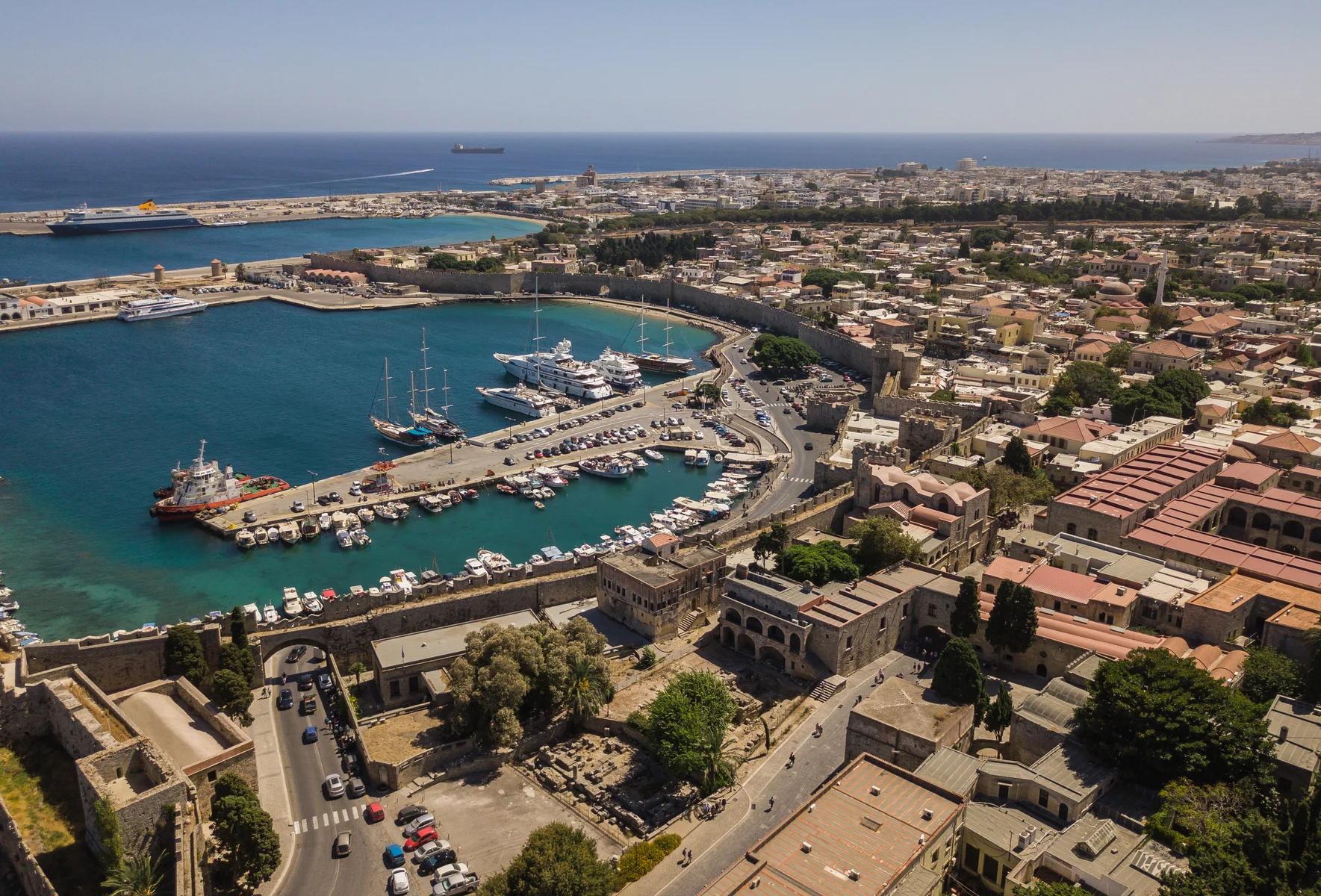
Cyprus
The Cyprus residence by investment program is regulated by Regulation 6(2) of the Aliens and Immigration Regulations. Under the current rules, the applicant must invest at least €300,000 in one of the permitted assets:
- Residential real estate. This must be a primary property, as the purchase of resale housing is usually not suitable for this scenario.
- Commercial real estate. Offices, shops, hotels, and similar properties may be either new or resale properties.
The Cyprus program requires not only the purchase of a property, but also confirmation of a stable annual income. The main applicant must show a secured annual income of at least €50,000. If a spouse is included in the application, the requirement increases by approximately €15,000. For each minor child, approximately €10,000 is added.
For this investment, the investor receives permanent residency in Cyprus. The status allows them to live in the country, use it as a family base, enroll children in local schools, and access banking and healthcare infrastructure.
Cyprus is also convenient for entrepreneurs: the country has a legal system based on English law, English is widely used in business, and its corporate and tax infrastructure is oriented toward international clients.
At the same time, Cyprus is a member of the EU but is not yet a full part of the Schengen Area. However, in early 2026, the country’s parliament stated that all preparatory work for joining it had been completed.
Cyprus does not require investors to live in the country for most of the year in order to maintain their status. However, the residence permit holder must visit Cyprus at least once every two years.
The main additional expense is VAT when purchasing new residential real estate. VAT alone amounts to 19% of the value of the new-build property, while stamp duty, contract registration, legal support, bank fees, translations and apostilles, medical insurance, document certificates, and possible property valuation costs should also be taken into account.
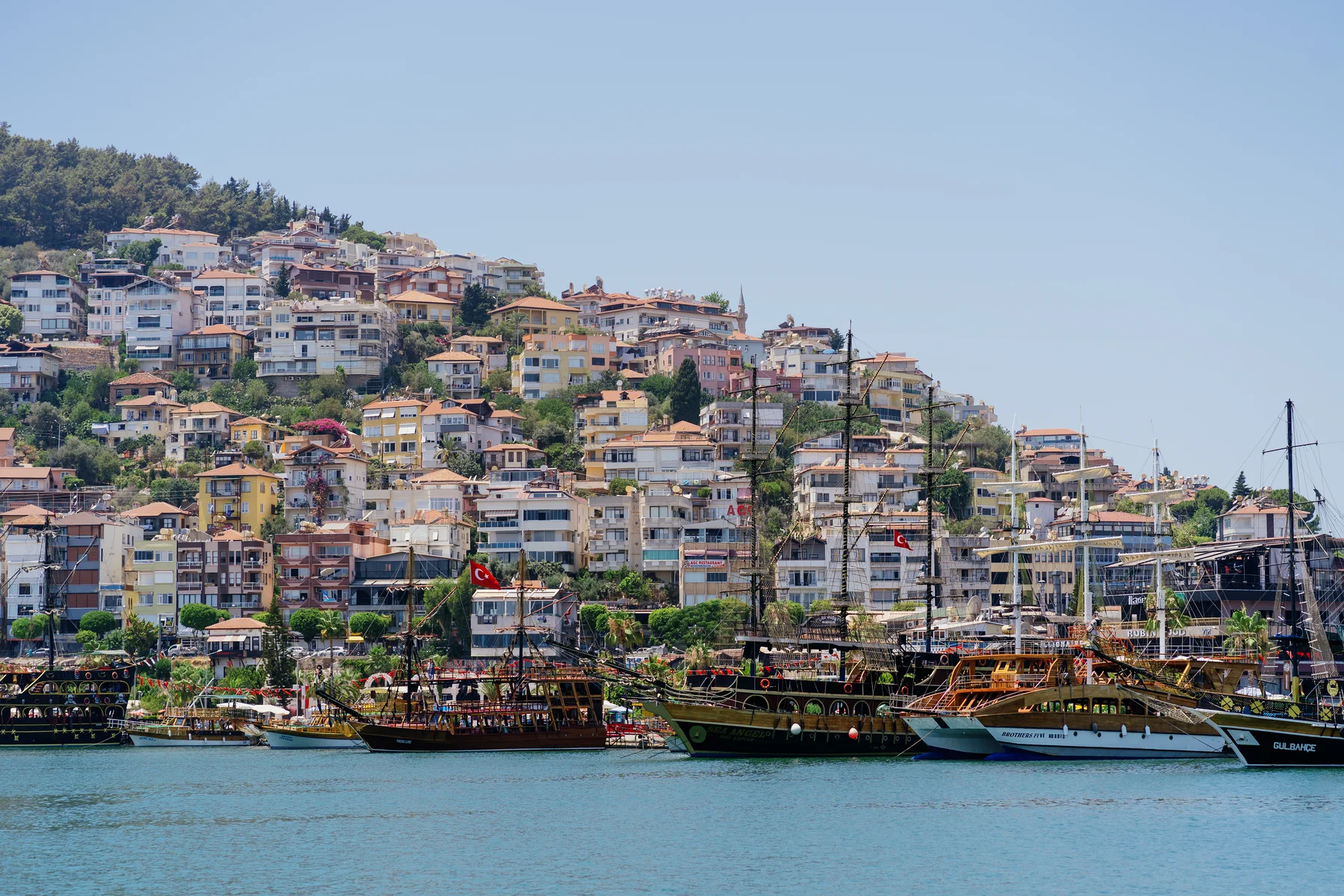
Turkey
Unlike most European programs, the purchase of property in Turkey can be used in two different scenarios: to obtain a short-term residence permit through ownership of residential real estate, or to obtain citizenship by investment.
- For a short-term residence permit through real estate in Turkey, the current market benchmark starts from $200,000. This threshold applies to residential real estate and is valid across the country as a whole. To apply, the applicant needs property documents, including the TAPU title deed and a valuation report confirming the value of the property.
- For citizenship by investment, the minimum threshold is $400,000. The investment may consist of one property or several properties, provided that their total value reaches the required level. However, the property is subject to a 3-year resale restriction.
A short-term residence permit gives the right to live in Turkey, register a local address, use banking and everyday services, connect utilities, obtain health insurance, and renew the permit as long as the grounds for residence remain valid. The residence permit is often issued for 1 year with the possibility of renewal; by law, short-term permits may be issued for up to 2 years.
When purchasing real estate worth at least $400,000, the investor may qualify for Turkish citizenship with all the privileges of a citizen of the country.
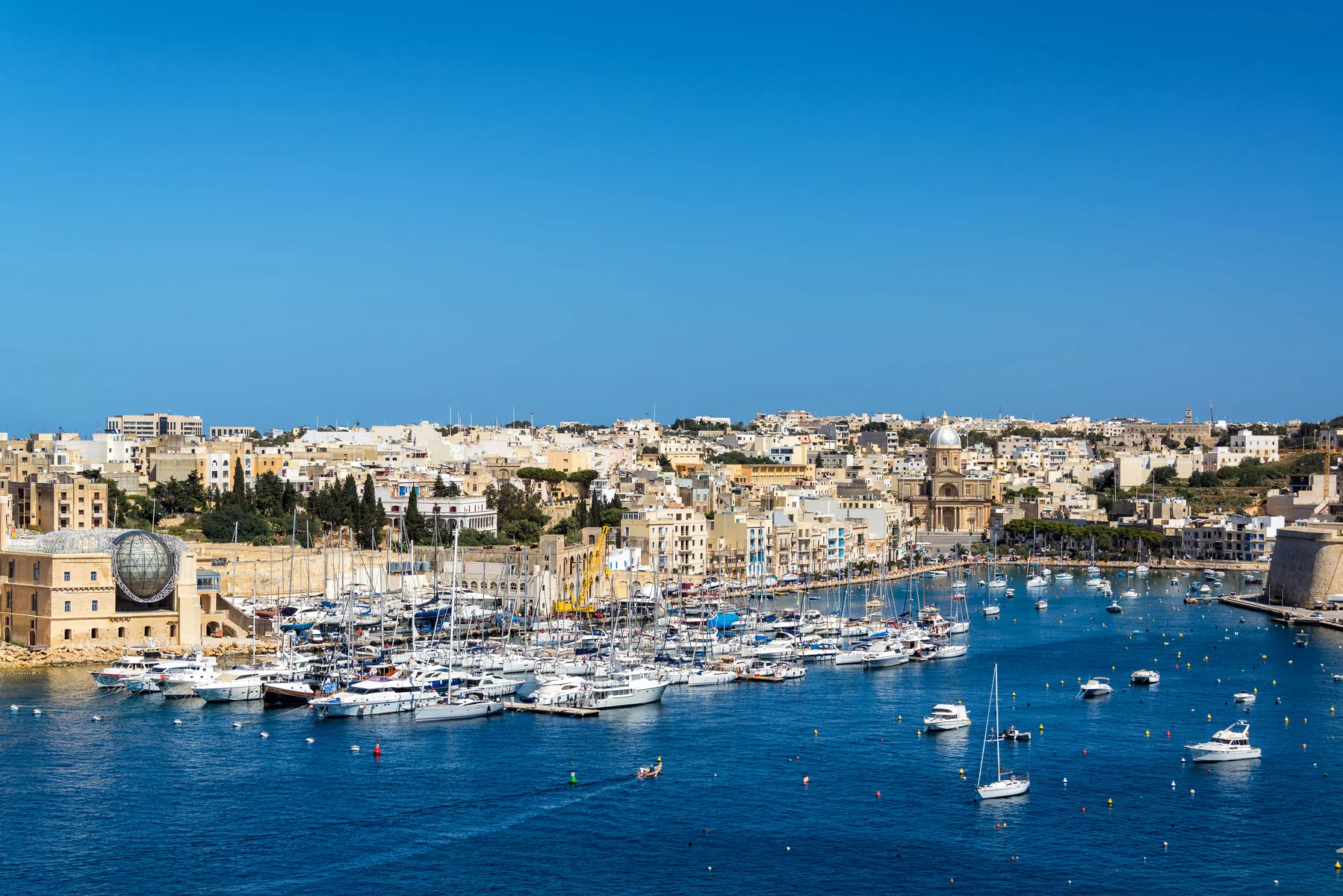
Malta
Unlike countries where the investor receives a temporary residence permit and then renews it regularly, the Malta Permanent Residence Programme, or MPRP, is designed for obtaining permanent residency.
In 2026, an investor can meet the MPRP property requirement in two ways: by purchasing real estate or by renting a property in Malta or Gozo. For purchase, the minimum threshold is approximately €375,000. The property must be held for at least 5 years.
An alternative option is renting a property for approximately €14,000 per year, also for a minimum of 5 years.
However, the actual minimum budget for purchase is higher, because in addition to the property value, the applicant pays a non-refundable administrative fee of approximately €60,000, a government contribution of €37,000, and a charitable donation of approximately €2,000 to an approved Maltese organization. These payments are mandatory regardless of whether the applicant buys or rents the property.
The investor receives permanent residency in Malta. This is a long-term status in an EU and Schengen Area country, allowing the holder to live in Malta, use local infrastructure, open bank accounts, enroll children in schools, and enter Malta freely without having to obtain a visa each time.
The application may include a spouse or partner, financially dependent children, as well as dependent parents and grandparents, provided that the requirements are met. For adult dependants, an additional administrative fee of approximately €7,500 per person may apply.
Importantly, in 2026 the applicant must show assets of at least €500,000, of which at least €150,000 must be financial assets. Alternatively, the applicant may demonstrate assets of €650,000, of which at least €75,000 must be financial assets.

Hungary
Hungary has restored its investment residence program in a new format: the Guest Investor Residence Permit. In 2026, this is not about directly purchasing an apartment, house, or commercial property, but about investing in a fund linked to Hungarian real estate.
The minimum investment under the real estate route is €250,000. These funds are not used to purchase an apartment directly, but to acquire investment certificates of a real estate fund registered and regulated by the Hungarian National Bank.
An alternative route involves a €1 million donation to a public-interest trust foundation connected with higher education, but for the real estate topic, the first option remains the key route.
The fund must meet the established requirements, and at least 40% of the net asset value of such a fund must be invested in Hungarian residential real estate.
The investor receives a Guest Investor Residence Permit for up to 10 years. Along with it, they receive the right to live in Hungary and use short-term mobility within the Schengen Area under the standard regime, meaning up to 90 days within any 180-day period.
The Hungarian program is structured in two stages. First, the applicant obtains a Guest Investor Visa, then arrives in Hungary and fulfills the investment condition. After that, they apply for the Guest Investor Residence Permit.
At the visa stage, the applicant may declare their intention to invest. After entering Hungary, the investment must be completed within the prescribed period. Legal reviews of the program indicate a period of up to 93 days after entry to fulfill the investment condition.
Unlike buying an apartment, this route does not involve the classic costs of registering property ownership, notarizing a real estate transaction, conducting a technical inspection of the premises, or managing rental operations. However, other cost items appear: fund entry and management fees, possible custody or servicing fees for investment certificates, as well as the terms for exiting the fund after the mandatory holding period.
The key object of due diligence in the Hungarian program is the fund. The investor must acquire investment certificates of a real estate fund registered with the Hungarian National Bank.

Georgia
From March 1, 2026, in Georgia obtaining a residence permit through real estate requires one property or several properties with a total market value of at least $150,000. What matters is the confirmed appraised value, not only the price stated in the sale and purchase agreement. The valuation is carried out by an accredited appraiser, and this document is used when applying for the residence permit.
In Georgia, several properties can be used to reach the threshold. For example, an investor may build a portfolio of two or three apartments if their total appraised value reaches $150,000 and all properties are properly registered.
The purchase provides grounds for a short-term residence permit. This status is usually issued for 1 year and can be renewed as long as ownership of a qualifying property is maintained. It allows the holder to live legally in Georgia, use local infrastructure, open bank accounts, sign long-term leases, connect utilities, and handle everyday and financial matters within the country.
Georgia stands out for its relatively fast procedure. Current program reviews indicate a standard processing time of around 30 calendar days, while for an additional fee the procedure can be accelerated to 10 to 20 days.
Frequently Asked Questions About Residence Permits Through Real Estate Purchase
Can you obtain a residence permit by purchasing real estate in Europe in 2026?
In 2026, real estate can still serve as grounds for residency, for example in Greece, Cyprus, and Malta. At the same time, Spain and Portugal are no longer suitable for the classic scenario of obtaining a residence permit through real estate purchase. Across Europe, requirements have also become stricter regarding the minimum investment amount, property type, and source of funds.
What is the minimum amount required for residence through real estate?
The minimum threshold depends on the country. In Georgia, from March 1, 2026, real estate worth at least $150,000 is required. In the UAE, a 2-year residence visa is available when purchasing a property worth at least AED 750,000, or approximately $204,000. In Greece, the minimum threshold starts from €250,000, but only for special categories of properties. In Cyprus and Malta, the basic property thresholds start from €300,000 and €375,000 respectively.
In which countries is there no need to live permanently in order to maintain residence?
One of the advantages of investment programs is the absence of a strict requirement to live in the country permanently. For example, Greece allows investors to renew a 5-year residence permit while maintaining the investment, without having to live in the country for most of the year. Cyprus also has no permanent residence requirement, but the investor must visit the country at least once every two years. In the UAE, Turkey, Hungary, and Georgia, the conditions depend on the type of residence status and the rules for its renewal.
Can family members be included in the residence permit application?
Yes, most programs allow family members to be added. In the UAE, an investor can obtain residence permits for a spouse, children, and parents. Greece allows the inclusion of a spouse, children, and certain dependent relatives. In Cyprus, the income requirement increases when adding a spouse and minor children: the basic minimum is €50,000 per year, plus approximately €15,000 for a spouse and €10,000 for each child. Under Malta’s MPRP, a spouse or partner, dependent children, parents, and grandparents can be included, provided that the program conditions are met.
How does residence through real estate differ from citizenship by investment?
A residence permit gives the right to live legally in the country, use local infrastructure, open bank accounts, enroll children in schools, and renew the status as long as the qualifying grounds remain valid. Citizenship gives a full passport and the rights of a citizen. For example, in Turkey, purchasing real estate from $200,000 may serve as grounds for a short-term residence permit, while an investment from $400,000 may allow the investor to apply for citizenship, provided that the property is held for 3 years.
What additional costs should be considered besides the property price?
In addition to the property value, the investor usually pays taxes, registration fees, legal support costs, translations, apostilles, medical insurance, bank fees, and the cost of processing residence documents. In Dubai, the registration fee when purchasing real estate is usually 4% of the property value. In Cyprus, when purchasing new residential property, the key expense is 19% VAT. In Malta, in addition to buying or renting a property, an MPRP applicant pays an administrative fee, a government contribution, and a charitable donation.
Author

I write informative articles about real estate, investments, job opportunities, taxes, etc.