








Turkey Real Estate Market in 2026


The Turkish real estate market entered 2026 after a strong 2025, but without the previous level of overheating. In March 2026, 113,367 residential properties were sold in the country, which is 2.1% less than a year earlier.
Demand has also changed, and in 2026 it is mainly driven by domestic buyers. Foreign nationals purchased 1353 properties in Turkey, which is 20% less than a year earlier.
In this overview, we will examine how Turkey’s real estate market is structured in 2026: which segments remain liquid, where prices appear overheated, and how the role of foreign buyers has changed.
Overview of Turkey’s Real Estate Market in 2026
In the first quarter of 2026, sales reached 349,396 properties, almost in line with last year’s level, down by 0.3%. The market remains active in terms of transaction volume, but the pace is already lower than during the overheated demand period of 2021–2022.
The resale market remains the largest segment: in March, it accounted for 68.5% of transactions, while new-build properties made up only 31.5%. Istanbul, Ankara, and Izmir led in terms of the number of transactions:
|
City |
Sales in March 2026 |
Share of all transactions |
|
Istanbul |
21,665 |
19.1% |
|
Ankara |
10,236 |
9.0% |
|
Izmir |
7,278 |
6.4% |
The main volume of transactions is generated by Turkish citizens. In March 2026, foreigners bought around 1.2% of the total number of properties sold, so market dynamics depend primarily on domestic buyers: families, investors, first-time homebuyers, and owners who are switching to a property that better suits them in terms of district, size, or building quality.
Domestic demand is supported by three factors:
- Inflation. Housing remains a way to preserve capital in a tangible asset.
- Rental pressure. Rising rental rates are pushing some households toward buying.
- Large metropolitan areas. Istanbul, Ankara, Izmir, Bursa, and Antalya continue to concentrate employment, students, migration, and solvent demand.
Mortgages gave the market additional volume in March 2026: mortgage-backed sales rose by 35.9% to 25,978 transactions. The share of mortgage transactions was 22.9%. At the same time, the cost of money remains high: on April 22, 2026, the Central Bank of Turkey kept the one-week repo rate at 37%.
The increase in mortgage-backed transactions shows that some buyers are returning to the market even with expensive credit. These are more often buyers with initial capital, stable income, or expectations of further growth in nominal prices.
Foreign buyers account for a small share of the market in 2026. In January–March 2026, sales to foreigners fell by 14.9% to 4,165 properties. In March, citizens of Russia, Iran, and Germany were among the largest foreign buyer groups.
Primary and Secondary Markets
New-build properties showed slight growth in March 2026: 35,725 transactions, up 1.3% year-on-year. Demand is supported by installment plans from developers, ready-made infrastructure within residential complexes, management companies, gated areas, swimming pools, security, and a clear rental scenario.
The secondary market is larger in volume, with 77,642 transactions in March. Year-on-year, it declined by 3.6%. In the resale segment, the real purchasing power of buyers is more visible: the price depends on the urgency of the sale, the condition of the building, the district, outstanding aidat maintenance fees, the quality of complex management, and the liquidity of a specific street.
Price Dynamics
In March 2026, Turkey’s housing price index increased by 26.4% year-on-year in nominal terms. Adjusted for inflation, prices declined by 3.4%. On a monthly basis, the index rose by 2%.
Across the three largest cities, nominal growth also remains high: Istanbul +27.8%, Ankara +30.4%, and Izmir +24.3% year-on-year. With high inflation, this kind of growth does not guarantee an increase in investment value in foreign currency terms or in real terms.
In 2026, the rental market remains stronger than the sales market in terms of real dynamics. The index of new rental contracts rose by 34.4% year-on-year in March in nominal terms and by 2.7% in real terms.
By city, the annual index growth was as follows:
|
City |
Growth in the index of new rental contracts, year-on-year |
|
Istanbul |
+39.4% |
|
Ankara |
+37.7% |
|
Izmir |
+35.0% |
Demand for long-term rentals is supported by local residents, students, labor migration, and the high cost of buying property. In tourist regions, additional demand comes from seasonal tenants, relocation buyers, and short-term stays.
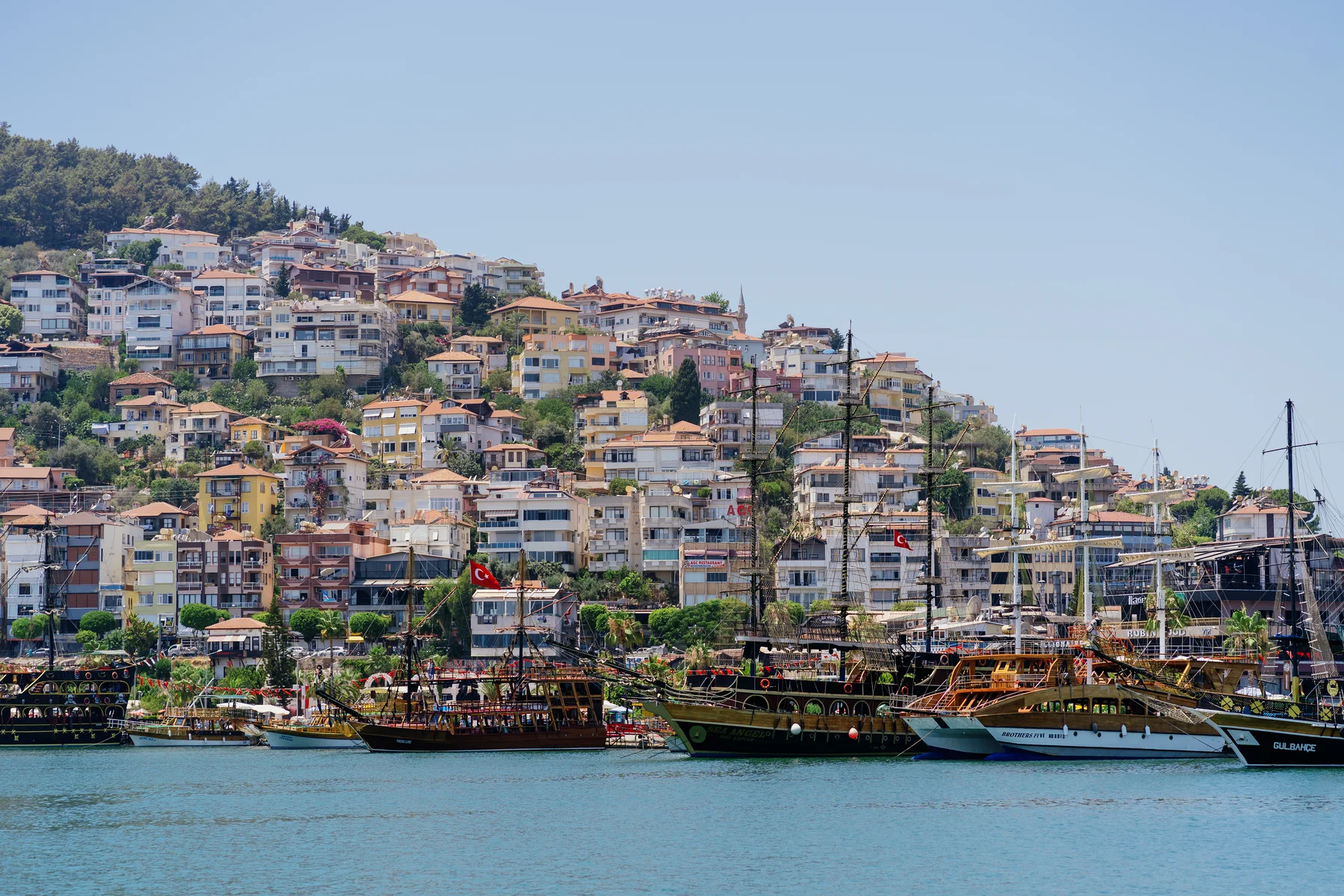
Property Prices in Turkey in 2026
In 2026, housing prices in Turkey continue to rise in lira terms, but the real value of the asset is declining. In March 2026, the housing price index of the Central Bank of Turkey reached 219.7 points, compared with 215.4 points a month earlier. Monthly growth was 2%, while annual growth reached 26.4%. After adjusting for inflation, prices fell by 3.4% year-on-year.
According to data cited by Global Property Guide based on CBRT figures, in Q4 2025 the average cost of housing in Turkey was:
|
City / region |
Average price, USD/m² |
Year-on-year growth |
|
Istanbul |
1755 |
+33.51% |
|
Ankara |
978 |
+38.69% |
|
Izmir |
1173 |
+22.04% |
|
Antalya |
1193 |
+26.20% |
|
Bursa |
862 |
+29.05% |
|
Mersin |
840 |
+26.74% |
|
Mugla |
1815 |
+17.01% |
|
Turkey average |
1076 |
+26.03% |
Ankara is around 44% cheaper than Istanbul in terms of price per square meter, but it shows the fastest annual growth among the largest cities, at 38.69%.
The price range in Turkey is determined not only by the city, but also by the property format. A 1+1 apartment in a new residential complex, a family-sized 3+1 apartment on the secondary market, and a seaside villa are different markets, with different levels of liquidity, tenant profiles, and resale timelines.
Property prices in Turkey by housing type:
|
City / region |
Studio / 1+1, 45–65 m² |
2+1, 80–110 m² |
3+1, 110–150 m² |
Villa / townhouse, 180–300 m² |
|
Istanbul |
$79–114k |
$140–193k |
$193–263k |
$316–526k |
|
Ankara |
$44–64k |
$78–108k |
$108–147k |
$176–293k |
|
Izmir |
$53–76k |
$94–129k |
$129–176k |
$211–352k |
|
Antalya |
$54–78k |
$95–131k |
$131–179k |
$215–358k |
|
Mersin |
$38–55k |
$67–92k |
$92–126k |
$151–252k |
|
Mugla |
$82–118k |
$145–200k |
$200–272k |
$327–544k |
The most liquid mass-market format is 2+1 apartments in areas with steady demand: transport links, schools, healthcare facilities, jobs, and universities. In resort regions, demand is higher for 1+1 apartments and compact 2+1 units, but competition among similar properties is also stronger there. Villas offer a high transaction value and potentially strong rental income in foreign currency, but they require a larger budget, higher maintenance costs, and more time to sell.
Rental rates for property in Turkey:
|
City / region |
Average rent, USD/m² per month |
Year-on-year growth |
|
Istanbul |
8.7 |
+41.2% |
|
Ankara |
5.0 |
+42.8% |
|
Izmir |
6.0 |
+32.3% |
|
Antalya |
5.5 |
+34.6% |
|
Bursa |
4.4 |
+34.8% |
|
Mersin |
4.1 |
+35.6% |
|
Mugla |
7.7 |
+34.7% |
|
Turkey average |
5.3 |
+33.2% |
Short-term rentals work in tourist and business locations: Istanbul, Antalya, Alanya, Bodrum, Fethiye, Kas, Marmaris, Cappadocia, and selected districts of Izmir. Returns can be higher than with long-term rentals, but the net result depends on occupancy, seasonality, platform commissions, cleaning, repairs, utility payments, and management.
Since January 1, 2024, Turkey has had Law No. 7464 on short-term residential rentals for tourism purposes. A rental period of up to 100 days is considered short-term. This type of rental requires a permit from the Ministry of Culture and Tourism, and for a property in an apartment building, the consent of the owners is required in accordance with the law.
Airbnb also states that from April 1, 2026, listing owners in Turkey must enter permit details for each property: the permit document number, the name of the permit holder, and the property address. Listings with invalid or outdated details will no longer be able to continue accepting guests on the platform.
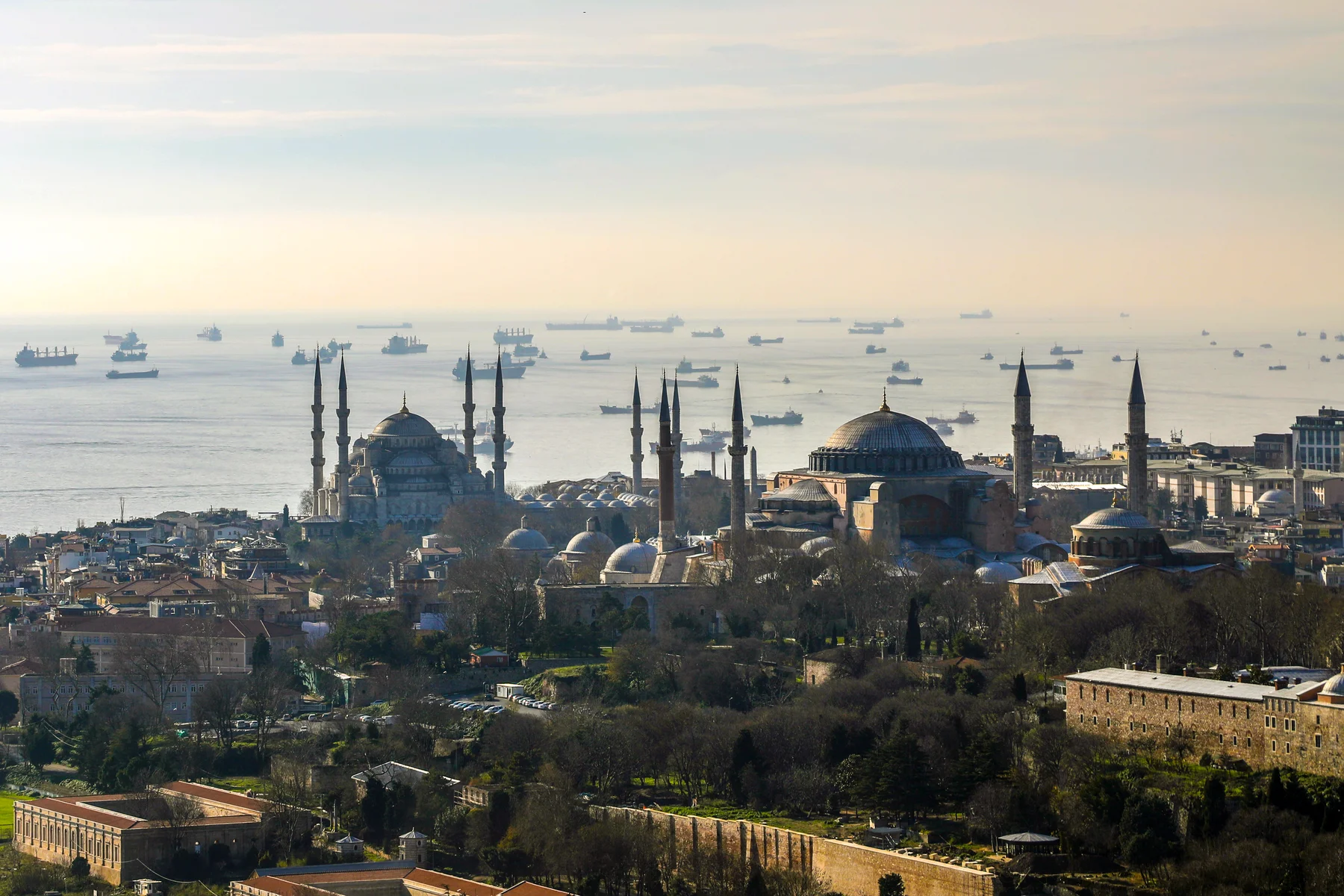
How Foreigners Can Enter Turkey’s Real Estate Market
Foreign citizens can buy real estate in Turkey without first obtaining a residence permit. Ownership is transferred only after the transaction is registered with the land registry.
A preliminary agreement, even if notarized, does not transfer ownership. It records the parties’ obligation to complete the transaction. Before making payment, it is necessary to check whether the property has any mortgage, seizure, pledge, or other restrictions.
A limit applies to individuals: a foreign citizen may acquire real estate and limited rights in rem in Turkey with a total area of up to 30 hectares. Foreigners also cannot buy or lease real estate in prohibited military zones or military security zones. Within one district, the total property owned by foreigners must not exceed 10% of the area where private ownership is permitted.
The purchase process is built around property due diligence, payment confirmation, and TAPU registration. For a foreign buyer, the critical factors are not only the price and district, but also how the funds, documents, and purpose of purchase are structured: for living, rental income, a residence permit, or citizenship.
Turkey’s Investment Office states that cadastral procedures require property details, the buyer’s passport, a document showing the current market value issued by the municipality, mandatory DASK earthquake insurance for buildings, photographs of the parties, and a certified translator if one of the transaction participants does not speak Turkish.
Residence Permit Through Real Estate
Buying real estate gives a foreigner grounds to apply for a short-term residence permit, but it does not guarantee automatic approval. Migration authorities assess the property, documents, purpose of residence, address registration, and the applicant’s compliance with the requirements.
For a residence permit, the property must be residential and used as housing. Turkey’s Directorate of Migration Management separately states that when applying for a residence permit based on real estate ownership, the property must be residential in nature and used for that purpose.
For real estate-based applications, the e-Ikamet document list includes a requirement that the property value must be at least the equivalent of USD 200,000 in Turkish lira. This is not citizenship, but a basis for a short-term residence permit.
Citizenship through real estate is a separate regime and should not be confused with a regular residence permit. To participate in the program, a foreign buyer must purchase one or more properties worth at least USD 400,000, or the equivalent in foreign currency. A restriction on sale for at least three years is recorded in the TAPU.
The buyer must state in advance that the property is being purchased for citizenship purposes. After the cadastral procedures are completed, a certificate of eligibility is issued, and then the owner submits documents to the relevant authorities to obtain a residence permit or citizenship.
Frequently Asked Questions About Real Estate in Turkey in 2026
Is it worth buying property in Turkey in 2026?
In 2026, buying real estate in Turkey is justified primarily for personal residence, long-term rental income, or capital preservation in a liquid asset. The market has become less convenient for short-term speculation: foreign demand has declined, mortgages remain expensive, and price growth in lira does not always outpace inflation.
Where is the best place to buy property in Turkey?
For resale and high liquidity, buyers choose Istanbul. Demand here is supported by business, universities, internal migration, healthcare, tourism, and the country’s largest rental market. The most resilient areas are those with metro access, business activity, and dense residential infrastructure.
Ankara and Istanbul are in focus for long-term rentals. Ankara has a lower entry price and stable demand from civil servants, students, and office workers. In Istanbul, competition is higher and the entry price is more expensive, but the tenant market is deeper.
For personal living, Izmir, Antalya, Istanbul, and Ankara are suitable. Izmir is strong in terms of urban environment quality and demand from Turkey’s middle class. Antalya is suitable for living by the sea, but it is better to choose residential areas with year-round infrastructure.
For short-term rentals, it is worth considering Istanbul, Antalya, Alanya, Bodrum, and Fethiye. It is important to check not only profitability, but also permits, seasonality, management costs, and occupancy outside the high season.
For a lower entry budget, Ankara, Mersin, and selected districts of Antalya may be considered. The risk in Mersin lies in the oversupply of new projects and weak liquidity in certain locations.
Can foreigners buy property in Turkey?
Ownership arises after the transaction is registered with the land registry. A preliminary agreement does not replace the TAPU and does not transfer ownership. Foreigners also need to take restrictions into account: the land area limit, the ban on purchasing property in military and security zones, and restrictions in districts where the share of foreign ownership has already reached the maximum permitted level.
Does buying property grant a residence permit in Turkey?
Buying residential property may serve as a basis for applying for a short-term residence permit, but it does not guarantee approval. For a residence permit, the commonly stated property value threshold is USD 200,000.
Does buying property grant Turkish citizenship?
Citizenship through real estate is a separate program with a minimum entry threshold of USD 400,000. The property must be held for at least three years. The buyer must structure the transaction for citizenship purposes from the outset, otherwise some documents may not meet the program requirements.
Can an apartment in Turkey be rented out on a daily basis?
Renting housing to tourists for periods of up to 100 days requires a permit. Renting without a permit is subject to a fine starting from TRY 100,000, and if the violation continues, the fine may increase to TRY 500,000. A property intended for Airbnb or similar platforms should be checked before purchase: whether the building is suitable, whether the owners agree, and whether obtaining a permit is realistically possible.
Author

I write informative articles about real estate, investments, job opportunities, taxes, etc.