










How Construction Materials Boost Real Estate ROI by 25%


Property investors often focus on location, market timing, and financing strategies. Yet one factor consistently determines whether buildings appreciate or depreciate over decades: construction materials. Research shows properties built with premium structural components can command 15-25% higher resale values while reducing maintenance costs by up to 40% over 20 years.
Understanding materials isn't just for builders. Savvy investors who recognize quality construction make better acquisition decisions, negotiate more effectively, and ultimately achieve superior returns.
Why Materials Matter More Than Most Investors Realize
Construction materials form the backbone of any property's long-term performance. While cosmetic finishes get attention during viewings, structural elements determine operating costs, maintenance cycles, and competitive positioning for decades.
Properties built with inferior materials face mounting challenges:
- Accelerated deterioration requiring earlier renovations
- Higher insurance premiums reflecting structural risks
- Reduced tenant appeal as systems fail prematurely
- Compressed holding periods before major capital investment becomes necessary
Conversely, quality materials create compounding advantages throughout ownership. Buildings maintain appearance and functionality longer, reducing vacancy rates and preserving rental premiums. When market conditions warrant selling, buyers recognize superior construction through inspection reports and documentation, supporting stronger valuations.
Steel Reinforcement: Foundation of Property Performance
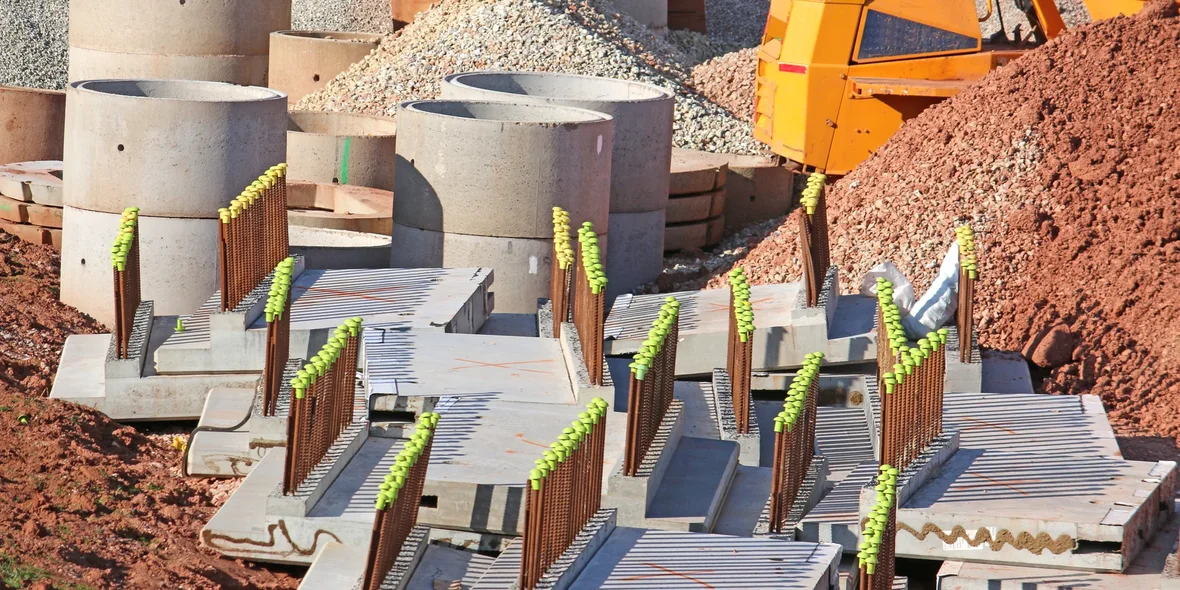
Structural steel represents one of the most critical material decisions in commercial and residential construction. Reinforcement quality directly impacts building integrity, longevity, and ultimately investment returns.
Premium reinforcement materials provide several financial advantages. Buildings resist environmental stresses more effectively, extending maintenance intervals and reducing lifecycle costs. Proper structural design allows larger clear spans and more flexible interior layouts, increasing adaptability for different tenant needs over time.
Quality matters particularly in corrosive environments. Coastal properties, structures near industrial areas, or buildings in humid climates benefit significantly from corrosion-resistant materials. Galvanized steel reinforcement, for instance, provides 50-70 years of protection compared to 15-25 years for standard steel in harsh conditions. This extended service life translates directly to deferred capital expenditure and sustained property performance.
Investors evaluating existing properties should review original construction specifications. Buildings utilizing comprehensive reinforcement systems from reputable suppliers like Sydney Reo typically demonstrate superior structural performance over time. Documentation of quality materials supports higher valuations during acquisition or disposition.
Concrete Quality: Hidden Driver of Operating Costs
Concrete specifications significantly influence property economics beyond initial construction. Mix design, aggregate quality, and curing processes determine long-term durability and maintenance requirements.
High-performance concrete resists cracking, spalling, and deterioration. This resilience reduces repair frequency and associated costs. Buildings maintain weathertight envelopes longer, decreasing energy consumption and extending the service life of mechanical systems.
Investors should examine concrete specifications during due diligence:
- Compressive strength ratings appropriate for building use
- Air entrainment for freeze-thaw resistance in cold climates
- Proper water-cement ratios ensuring density and durability
- Quality aggregate sourcing affecting long-term performance
Poor concrete quality creates cascading problems. Water infiltration damages interior finishes, compromises insulation, and accelerates structural deterioration. Repairs become progressively more expensive as damage extends beyond surface treatments to require structural intervention.
Exterior Envelope: Where Material Choices Meet Market Positioning
Building envelope materials directly influence both operating costs and market perception. Premium cladding, roofing, and window systems deliver measurable financial returns through multiple channels.
Energy efficiency represents the most quantifiable benefit. Modern envelope systems reduce heating and cooling costs by 20-40% compared to minimum-code construction. These savings compound annually throughout ownership while supporting higher asking rents due to lower occupant utility costs.
Market positioning depends heavily on envelope quality. Properties maintaining crisp, well-maintained exteriors command premiums in competitive rental markets. Buildings requiring frequent facade repairs or exhibiting visible deterioration face sustained discounts as prospective tenants and buyers factor in deferred maintenance.
Maintenance cycles vary dramatically by material selection. Vinyl siding requires replacement every 20-30 years. Fiber cement extends this to 50 years. Brick and stone facades easily surpass 100 years with minimal maintenance. While premium materials increase construction costs, lifecycle analysis consistently favors durable options when amortized over typical institutional holding periods.
Mechanical Systems: Operating Expense Impact
HVAC, plumbing, and electrical materials determine operating expense trajectories for decades. Quality components reduce maintenance calls, extend replacement intervals, and support higher tenant satisfaction through reliable performance.
Commercial-grade mechanical systems cost 15-30% more initially but deliver superior reliability. Residential properties utilizing commercial-grade components see maintenance costs decrease by 25-35% over 15 years compared to builder-grade alternatives.
Energy efficiency carries particular importance as utility costs rise. Premium HVAC systems achieve 15-25% better efficiency ratings, directly reducing operating expenses. These savings improve net operating income, increasing property valuations through compressed cap rates.
Smart investors review mechanical specifications and maintenance histories during acquisition. Properties with documented preventive maintenance and quality original equipment require less immediate capital investment, supporting more aggressive purchase pricing or faster value-add execution.
How Quality Materials Improve Investment Metrics
Superior construction materials enhance returns through multiple financial mechanisms working simultaneously.
Higher rental rates: tenants pay premiums for properties demonstrating quality construction. Buildings maintain appearance and functionality longer, justifying above-market rents. Commercial tenants particularly value reliable systems minimizing business disruption.
Lower vacancy rates: quality properties attract and retain tenants more effectively. Reduced turnover improves cash flow consistency while decreasing leasing costs and turnover expenses.
Compressed cap rates: buyers recognize superior construction through due diligence, accepting lower cap rates reflecting reduced risk profiles. Quality properties trade at 50-100 basis point premiums versus comparable assets with inferior materials. Understanding how commercial real estate investments work helps investors appreciate these valuation dynamics.
Extended hold periods: buildings utilizing quality materials support longer ownership without major capital events. Investors can optimize tax positions and market timing rather than facing forced expenditure dictated by premature system failures.
Enhanced financing terms: lenders view quality construction favorably. Properties demonstrating superior materials and maintenance often secure better loan-to-value ratios and interest rates, improving leveraged returns.
Due Diligence: Evaluating Materials in Existing Properties
Investors must develop systematic approaches for assessing construction quality during acquisition evaluations.
Document review provides initial insights. Original specifications, permits, and inspection reports reveal material selections and compliance with building codes. Properties lacking documentation warrant skepticism and conservative underwriting.
Physical inspection by qualified professionals identifies material conditions and remaining service life. Structural engineers assess reinforcement adequacy, concrete quality, and foundation performance. Building envelope consultants evaluate cladding, roofing, and waterproofing systems. Mechanical engineers review HVAC equipment and distribution systems.
Maintenance records demonstrate how properties have been operated. Consistent preventive maintenance suggests quality operations extending material service life. Deferred maintenance or frequent repairs indicate problems requiring investigation.
Comparable analysis establishes whether material quality aligns with market positioning. Properties claiming premium status must demonstrate construction consistent with competitive assets. Misalignment between asking prices and actual quality creates negotiating opportunities or signals deals to avoid.
New Development: Material Decisions That Determine Success
Developers and investors funding new construction face material decisions with lasting consequences. Initial cost savings from inferior materials rarely justify long-term performance compromises. With construction costs rising globally, strategic material selection becomes even more critical for maintaining competitive returns.
Strategic material selection balances construction budgets with lifecycle performance. Premium structural and envelope materials deliver superior returns despite higher upfront costs. Interior finishes offer more flexibility for value engineering without compromising long-term building performance.
Successful developers engage experienced suppliers early in design processes. Suppliers provide technical expertise, value engineering suggestions, and material specifications aligned with project goals. Collaborative planning optimizes both construction efficiency and finished building performance.
Material procurement timing influences project economics significantly. Early commitments lock pricing during volatile commodity markets while ensuring availability for project schedules. Experienced suppliers manage logistics, reducing delays that compound carrying costs during construction.
Geographic Considerations: Materials for Local Conditions
Climate and environmental factors should drive material selection strategies. Buildings in coastal regions require corrosion-resistant reinforcement and hardware. Freeze-thaw cycles demand air-entrained concrete and proper drainage design. Seismic zones necessitate ductile reinforcement detailing and flexible connections.
Ignoring local conditions creates premature failures requiring expensive remediation. Investors should verify materials match environmental exposures. Properties in harsh environments using inappropriate materials face accelerated deterioration and compressed economic lives.
Regional building codes reflect local condition requirements, but minimum compliance rarely optimizes investment performance. Exceeding code minimums with materials suited to actual exposures protects long-term value.
Making Materials Work for Your Investment Strategy
Whether acquiring existing properties or funding new development, construction materials deserve strategic attention alongside traditional investment factors.
For value-add investors, material condition assessments inform renovation priorities and budget accuracy. Properties with solid structural bones but outdated finishes offer optimal risk-reward profiles. Buildings requiring structural work or envelope replacement demand conservative underwriting reflecting major capital requirements.
Core investors pursuing stable cash flow should prioritize quality construction minimizing operating expenses and capital events. Premium materials support predictable performance, aligning with hold strategies emphasizing consistency over speculation.
Opportunistic investors can exploit market inefficiencies around material quality. Properties suffering cosmetic neglect but built with quality materials offer repositioning opportunities. Conversely, buildings appearing well-maintained but constructed with inferior materials warrant skepticism regardless of surface appeal.
The Compounding Effect of Quality
Construction materials create value through compounding effects rather than single dramatic events. Each year, quality buildings maintain competitive advantages while inferior properties slide toward obsolescence. These gradual differences accumulate into substantial valuation gaps over typical investment horizons.
Properties built right from the start consistently outperform assets requiring continuous remediation. Smart investors recognize this reality, making material quality central to acquisition criteria rather than treating it as a secondary consideration.
Understanding construction materials transforms how investors evaluate opportunities. While market timing and financing matter, buildings themselves ultimately determine success. Properties constructed with quality materials reward patient capital while inferior construction erodes returns regardless of management skill.
Focus on what you can control. Choose properties built to last or ensure new developments use materials supporting long-term performance. Your investment returns will reflect these decisions for decades to come.