











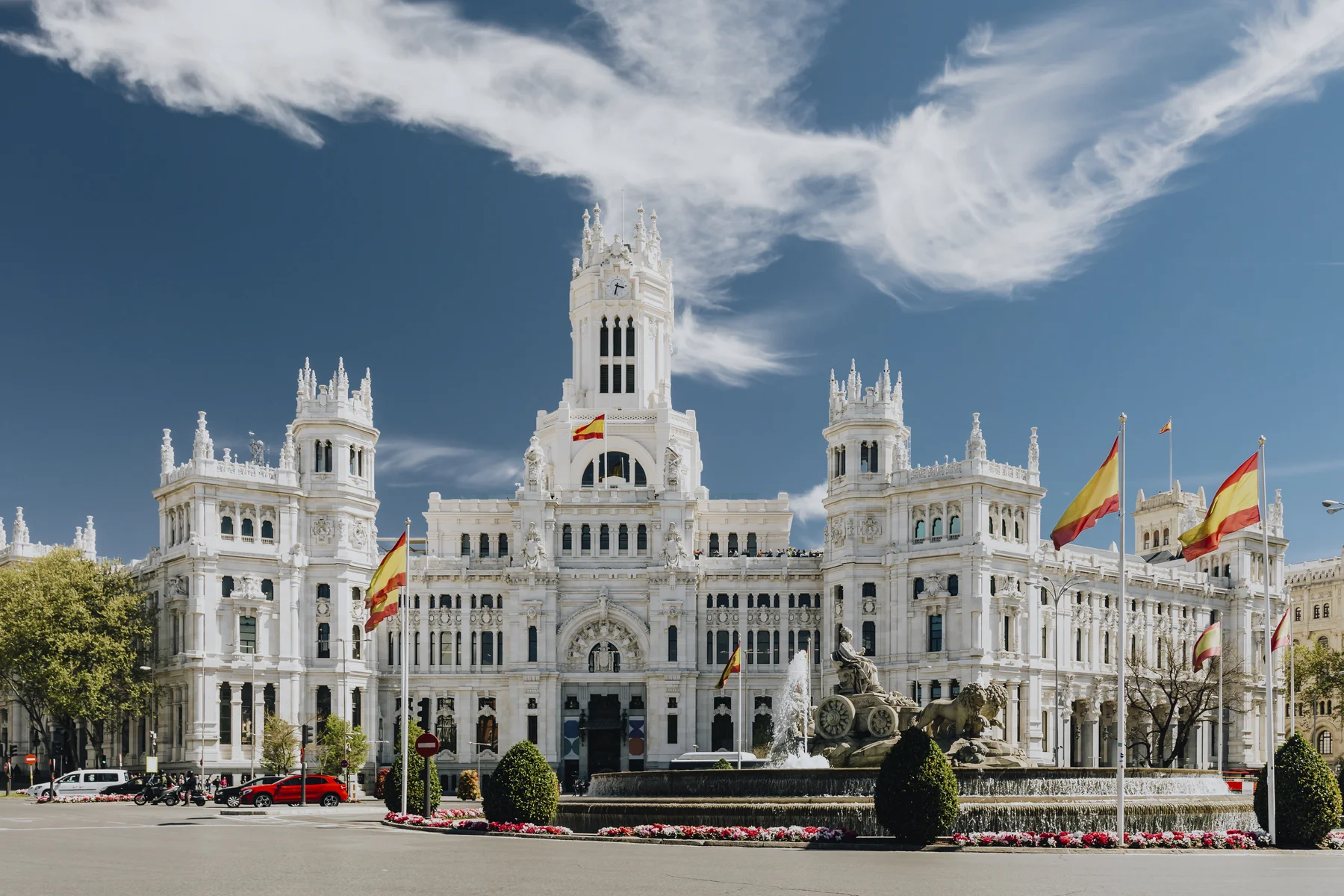

Spain Strengthens Its Status as a Safe-Haven Market for Luxury Property Buyers


📍 Madrid and Costa del Sol remain the main points of attraction. The capital draws buyers with its stable economy, business infrastructure, high-quality urban housing, and the tax advantages offered by certain regions. Costa del Sol, including Marbella, Benahavís, and Benalmádena, remains one of Europe’s strongest luxury property markets thanks to its climate, international environment, service infrastructure, and limited supply of high-quality homes.
🌍 According to Reuters, much of the new demand is linked to the geopolitical situation. Polish buyers have become more active since the start of the war in Ukraine, American investors increasingly see Spain as a fallback option amid political tensions in the United States, and buyers from the Gulf states are looking for a calmer European alternative to Dubai after the escalation of tensions in the Middle East.
💶 For wealthy clients, Spanish real estate is becoming more than just a purchase for leisure. It is increasingly seen as a tool for capital diversification. In this sense, Spain is no longer competing only with Portugal, France, or Italy, but also with markets such as Dubai. Buyers are choosing the country not because of a low entry threshold, but because of its combination of security, quality of life, liquidity, and long-term predictability.
📊 The scale of foreign demand is already visible in transaction statistics. In 2025, in key tourist provinces including Málaga, Alicante, and the Balearic Islands, foreigners accounted for more than 39% of all residential property transactions. This means that in the most sought-after regions, international capital has become one of the main drivers of market dynamics.
📌 Several buyer groups stand out in particular:
— buyers from Poland, who sharply increased their investment in Spanish property after the pandemic and the start of the war in Ukraine;
— buyers from the United States, some of whom see Spain as a fallback market for living and investment;
— investors from the Gulf states, who are looking for a calmer European alternative to Dubai;
— traditional buyers from the United Kingdom and Germany, who continue to hold strong positions on the coast.
🏗️ Polish demand has become one of the clearest examples of how the market structure is changing. According to Reuters, purchases by Polish buyers in Spain have tripled since the pandemic, while their share among foreign buyers rose from 1.6% in 2019 to 4% in 2025. In some projects, the influence of this group is even more visible. For example, one major Spanish developer sold around 70% of the premium Santa Clara complex in Marbella to Polish clients.
🇺🇸 American buyers are also becoming more prominent. In some agency networks, their share of transactions on Costa del Sol has grown sharply, and in certain cases Americans are already overtaking British buyers among foreign clients. Across Spain as a whole, US citizens still represent a smaller share of foreign buyers, but they stand out for their higher average transaction budgets.
🏝️ Demand from buyers in the Gulf states is also attracting particular attention. For this audience, Spain is becoming an alternative to Dubai, especially as regional instability reduces the sense of security in the Middle East. These clients are interested not only in high-end villas and apartments, but also in privacy, tax conditions, international schools, healthcare infrastructure, and the ability to move quickly between Europe and other regions.
📈 Rising demand is already being reflected in prices. According to market participants, luxury property prices in Spain have increased by up to 9.5% year over year. This is stronger than the performance of several other European destinations and makes Spain one of the most resilient premium property markets in Europe over the past 12 months.
🏠 At the same time, price growth is being supported not only by demand, but also by limited supply. In the most prestigious areas of Madrid, Marbella, Benahavís, and the Balearic Islands, there is a shortage of high-quality new properties. Buyers with budgets ranging from €1 million to €20 million are competing for a limited number of villas, penthouses, and residences in gated communities.
⚖️ There is also another side to this process. Rising foreign demand is increasing pressure on housing affordability for local residents. Housing has already become one of the most sensitive political issues in Spain, and the Bank of Spain has previously pointed to a housing shortage of several hundred thousand units. Further growth in foreign capital could therefore intensify discussions around taxes, short-term rental regulation, and additional measures to increase supply.
📌 The strongest locations remain:
— Madrid, where demand is supported by business activity, infrastructure, and the city’s capital status;
— Costa del Sol, where buyers are looking for villas, seaside apartments, and gated residential complexes;
— Marbella and Benahavís, where a significant share of premium demand is concentrated;
— Alicante and Costa Blanca, where foreigners traditionally account for a high share of transactions;
— the Balearic Islands, where limited supply continues to support high price levels.
📩 Planning to buy property in Spain for living, leisure, or capital preservation? You can view suitable properties on our website.
Posted at:
25/06/2026, 11:36


