













Albania: Residential Property Prices Could Rise by Up to 18% in 2026


🏙️ The main feature of Albania’s property market today is that the country is effectively divided into several different markets. Tirana is developing as the country’s business and administrative centre, coastal areas are growing on the back of tourism, rental demand and foreign buyers, while smaller inland towns remain more dependent on local incomes and demographic trends.
📊 The 2026 residential price forecast looks as follows:
— Albania overall: growth of 8–18%;
— Tirana: growth of 10–15%;
— coastal areas: growth of 14–20%;
— weaker inland towns: growth of 3–8%.
🏖️ The strongest dynamics are expected in coastal areas. Vlorë, Durrës, Sarandë, Ksamil, Golem and Lalzi Bay remain key points of interest for buyers who view property not only as a place for personal holidays, but also as a short-term rental asset. Demand in these locations is supported by tourism, the Albanian diaspora, foreign investors and limited supply of high-quality seaside properties.
🏗️ In some coastal locations, prices have already been rising faster than the national average. Modern apartments with sea views, good infrastructure and rental potential remain among the most sought-after property types. Such assets can combine several functions at once: holiday home, income-generating property and a liquid option for future resale.
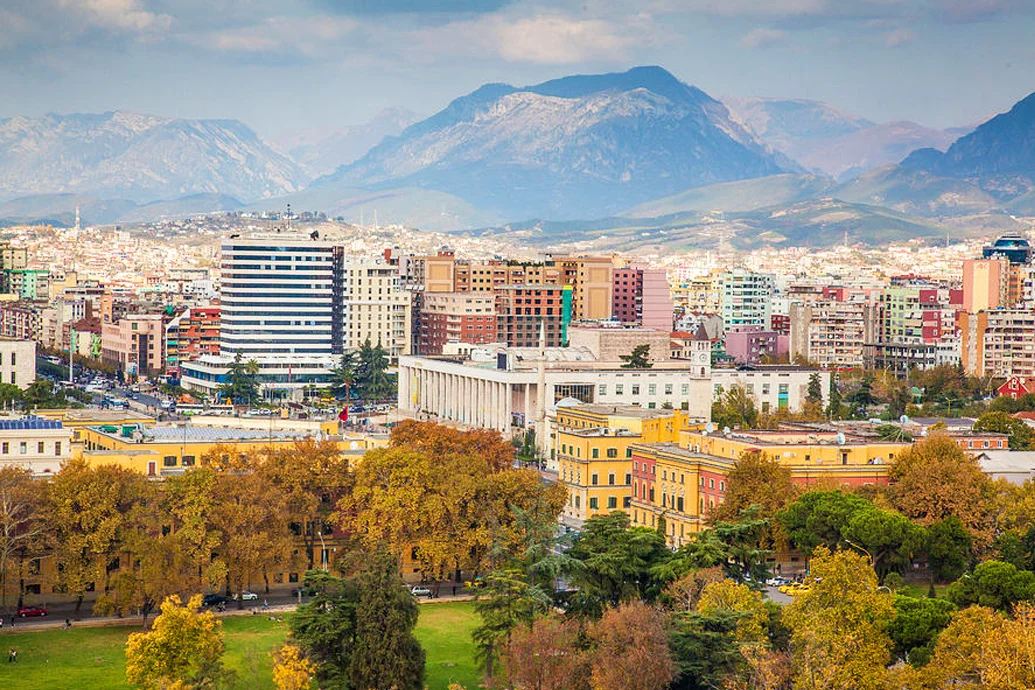
🌆 Tirana follows its own growth logic. Demand in the capital is supported by internal migration, employment, universities, business infrastructure and a concentration of more solvent buyers. The most promising areas are those undergoing new urban development, where modern residential complexes are being built and infrastructure is improving.
📌 The main factors supporting price growth in 2026 are:
— tourism development and demand for short-term rentals;
— interest from the Albanian diaspora;
— purchasing activity from foreign buyers;
— internal migration to Tirana;
— limited supply of quality properties in prime locations.
🏘️ At the same time, price growth will not be equal across all property types. The most liquid assets remain modern one- and two-bedroom apartments in Tirana, Vlorë, Durrës, Sarandë, Ksamil and Golem. This format appeals to the widest range of buyers: local residents, tenants, tourists, the diaspora and foreign investors.
📉 More moderate growth is expected in smaller inland towns. Demand there is usually driven by local salaries rather than tourism or foreign capital. Emigration, limited liquidity and a narrower pool of potential buyers create additional pressure. As a result, even amid overall market growth, these locations may see price increases of only 3–8% over the year.
⚠️ A key market risk is linked to new construction. In popular areas, supply is increasing quickly, and not every project will be able to maintain strong price growth. Extra caution is needed with properties at early construction stages, where the price may already include expectations of future tourist demand, while infrastructure, services and actual rental performance have not yet been confirmed.
💶 Interest rates also remain an important factor. For buyers relying on mortgages, even a moderate increase in borrowing costs reduces purchasing power. However, Albania’s coastal market is less sensitive to mortgage conditions, as a significant share of demand comes from cash buyers, foreigners and members of the diaspora.
📍 The key takeaway for buyers is that Albania remains a growth market, but no longer a market where any property can be purchased with the expectation of automatic appreciation. In 2026, the specific city, district, project quality, legal clarity and real rental potential will matter much more.
🔎 Tirana and coastal areas remain the most resilient destinations. Current property offers in Albania, including seaside apartments and properties in the capital, are available on our website.
Posted at:
24/06/2026, 11:40


