











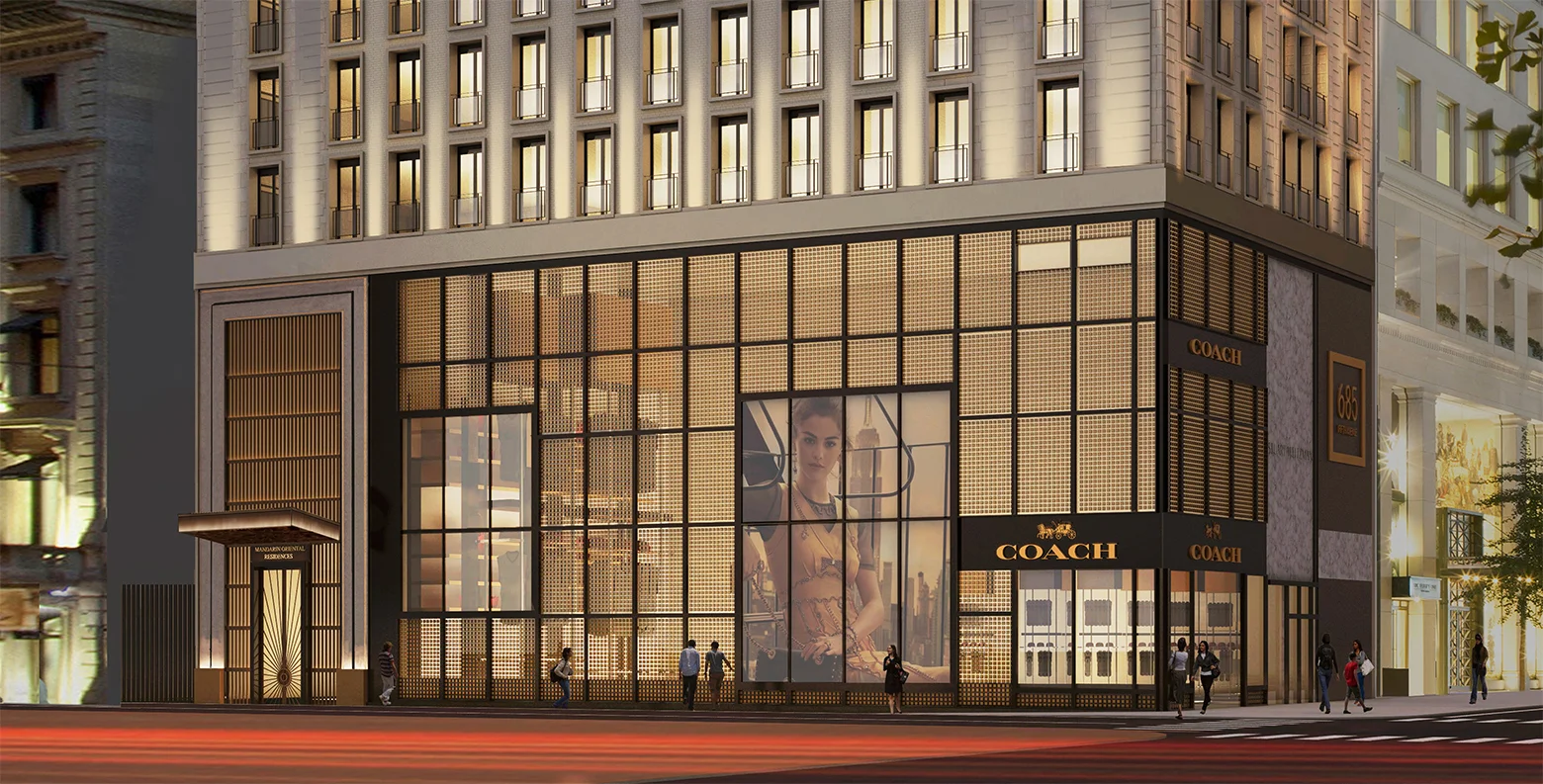


Mandarin Oriental Cuts Condo Prices by 20% as Manhattan’s Luxury Market Adjusts


📊 The project comprises 69 fully furnished residences with high-end finishes, views of Central Park, and premium hotel-style services. Sales began in 2021.
— roughly one third of the units were sold in the first years
— the remaining inventory stayed on the market for an extended period
— the approximately 20% discount was applied specifically to these unsold units
For assets of this caliber, a correction of this magnitude is considered material and atypical.
🛡️ Ultra-prime Manhattan real estate has traditionally been viewed as a defensive asset, expected to preserve and grow value regardless of market cycles. However, demand dynamics in this segment have shifted. Even projects backed by strong international brands, such as Mandarin Oriental, are now being forced to adjust pricing in order to accelerate sales and reduce time on the market.
📈 At the same time, the ultra-high-end residential segment in the United States remains active overall. According to industry reports, transaction volumes for properties priced above $10 million increased by 31.7% in 2025 compared with 2024, despite stagnation in the broader housing market. This suggests not a disappearance of demand, but a redistribution of capital across segments and regions.
💰 The primary driver of price changes in the U.S. luxury condominium market between 2024 and 2026 has been the increase in borrowing costs.
— 30-year fixed mortgage rates in the U.S.: 6.0–6.3%
— in 2020–2021: 2.7–3.1%
— debt servicing costs have more than doubled
For a $5 million loan, this translates into an increase in monthly payments from roughly $21,000 to $30,000–31,000, or nearly 50%, assuming no change in property price.
🏷️ In parallel, the role of branding and hotel services in the pricing structure has been reassessed.
— in 2015–2019, branded residences sold at a premium of approximately 20–30%
— in 2024–2025, that premium narrowed to roughly 8–15%
As a result, brand affiliation no longer offsets elevated initial pricing expectations, making price corrections unavoidable even for projects with strong global names.
📍 A third factor relates to changing investment behavior among high-net-worth buyers. While transaction activity above $10 million did increase in 2025, capital flows were concentrated primarily in markets with constrained supply and higher expected returns.
— Miami
— Palm Beach
— the Hamptons
— select resort destinations
📉 Manhattan condominiums, by contrast, have lost appeal as investment assets.
— yield on 10-year U.S. Treasury bonds: 4.0–4.5%
— net yields on New York condominiums: often no higher than 2–3% after taxes and operating costs
Against this backdrop, price corrections in Manhattan’s luxury condominium market are no longer an exception and are increasingly becoming part of the new market norm.
Posted at:
04/02/2026, 11:15


