










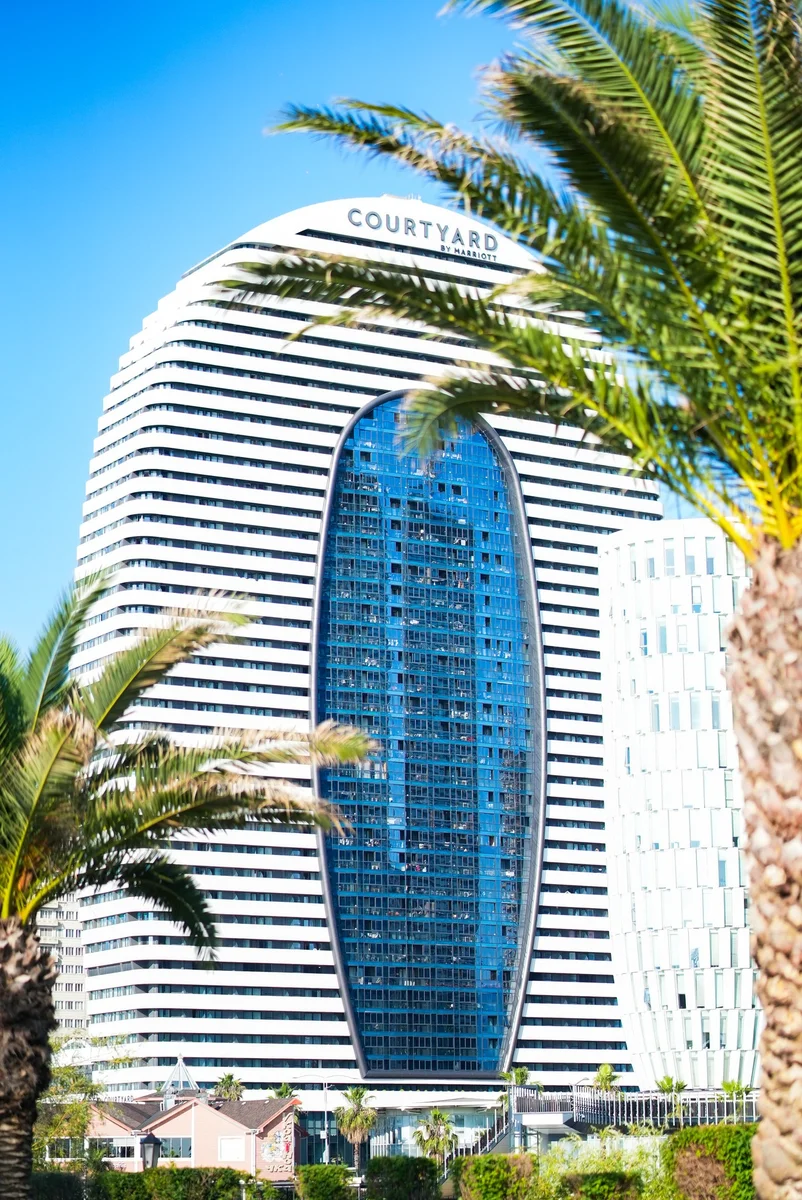

7 Key Factors That Define Real Estate Investment Value


Location remains the foundation of every successful real estate investment. Areas with rapidly developing infrastructure, strong tourism flows, expanding business activity, and large-scale urban development typically demonstrate the highest demand, strongest liquidity, and greatest long-term capital appreciation potential.
2. Developer reputation defines investor confidence.
A developer’s track record, completed projects, international partnerships, and collaboration with global brands directly influence project credibility, market perception, and long-term asset value.
3. Quality and architecture define market positioning.
Concept, architectural identity, design quality, materials, and engineering standards shape a project’s competitiveness and directly impact buyer demand and pricing power.
4. Liquidity determines investment flexibility.
Well-positioned real estate assets are typically easier to sell, lease, and maintain in value during changing market conditions, reducing investment risk over time.
5. Functional layouts improve commercial performance.
Efficiently designed spaces provide stronger usability, higher tenant appeal, and improved long-term resale and rental potential.
6. Infrastructure and lifestyle environment create additional value.
Projects integrated with business, tourism, wellness, sports, and lifestyle infrastructure benefit from stronger demand and greater long-term market sustainability.
7. Professional management supports stable income performance.
Branded operators and structured management systems improve service quality, occupancy levels, operational efficiency, and investor confidence - all of which contribute to stronger long-term returns.
Posted at:
15/05/2026, 06:24