








Is Albania Real Estate Worth Investing in in 2026? Prices, Yields and Risks


Private investors are increasingly viewing Albania’s real estate market as one of the most attractive in the Balkans. This is driven by steady growth in tourism, active construction, and a relatively low entry threshold.
Against this backdrop, investments in Albanian real estate are no longer seen solely as a tool for generating rental income and potential capital appreciation. However, the question of whether it is worth investing in property in Albania remains open.
In this article, we will examine whether buying real estate in Albania in 2026 is a profitable decision, which cities appear most promising, and what level of returns investors can expect.
Is It Worth Buying Real Estate in Albania in 2026
According to INSTAT, Albania was visited by 12.47 million foreign citizens in 2025, compared to 11.70 million a year earlier, which represents an increase of about 6.6%. For the housing market, this primarily serves as an indicator of demand for short-term rentals in coastal cities.
The World Bank expects Albania’s economy to grow by 3.1% in 2026, following 3.2% in 2025, highlighting the contribution of the services and construction sectors. For investors, this means the market is supported not only by the tourist season but also by domestic economic activity, especially in Tirana and the largest urban areas.
Therefore, in 2026, purchasing property appears justified for investors who are willing to analyze a specific city, rental strategy, property quality, and the legal clarity of the transaction.
Pros of Investing in Albanian Real Estate:
- Strong price growth. In 2025–2026, property prices in Albania are estimated to grow by 18–26% annually, while the average in EU countries is around 3–4%.
- Higher yields compared to Europe. Realistic returns range from 6–9% annually, with some resort locations reaching 12–15%. In comparison, yields in Western Europe are typically in the 3–5% range.
- Economic growth. Albania’s GDP is projected to grow by 3–3.6% in 2025–2026, with construction and services playing a significant role, both of which are directly linked to the real estate market.
Cons of Investing in Albanian Real Estate:
- Low market liquidity. The average time to sell a property is 6–10 months, which is significantly longer than in developed markets. This increases the time required to exit an investment.
- Price pressure at resale. Actual transactions are often completed with a 6–8% discount from the asking price, reducing the investor’s final profit.
- Dependence on tourism. Tourism generates a significant share of rental demand. Any decline in tourist flows directly affects occupancy rates and returns.
- Risk of overheating in certain locations. In resort areas, price growth can reach 20–30% annually, increasing the risk of purchasing at an inflated price.
Property Prices in Albania
When analyzing prices, primary real estate, meaning new developments, plays a key role. This is due to strong demand from foreign investors specifically for new builds rather than the secondary market.
In many coastal areas, the market is effectively being formed from scratch. Developers are actively launching new projects, and these projects set the pricing benchmarks. At the same time, the secondary market:
- is less liquid
- often falls behind in quality
- in some cases involves legal complexities related to informal construction from previous years
New developments are on average 15–30% more expensive per square meter, while in premium locations the gap can exceed 40%.
In addition, the type of property also plays an important role. In Albania, the demand structure is typical for resort markets, with apartments dominating, while houses and villas occupy a more niche segment.
Property Prices in Albania by Property Type:
|
Property Type |
Average Price €/m² |
Total Purchase Budget |
|
Apartments |
1000–3000 |
€50,000–200,000 |
|
Studios |
1200–2800 |
€40,000–120,000 |
|
Houses |
800–2000 |
€80,000–300,000 |
|
Villas |
1500–4000+ |
€150,000–1M+ |
|
Commercial Real Estate |
1200–3500 |
from €100,000 |
After purchasing property, the key question becomes its profitability. In Albania, this largely depends on the chosen strategy, as long-term rentals and short-term tourist rentals deliver fundamentally different results in terms of income, risk, and occupancy.
The 10–12% annual returns often advertised by developers typically represent the upper limit under ideal conditions. Long-term rentals are most common in Tirana and, to some extent, in other major cities.
- Average yield: 5–7% per year;
- Occupancy: high, with minimal seasonality;
- Target audience: local tenants, students, expats.
Short-term rentals are the dominant model in coastal cities such as Saranda, Vlora, and Durres. This strategy provides average returns of 8–12% annually, with occupancy rates reaching 80–90% during the high season. However, off-season vacancies are common.
Key factors that affect profitability:
- Location within the city. The difference between beachfront properties and more remote areas can increase income by up to 30–50%.
- Property type. Studios and smaller apartments tend to offer better returns due to higher liquidity.
- Property quality. New buildings with elevators, parking, and good finishing standards are rented out significantly faster.
- Management. Without professional management, short-term rentals often lose 20–40% of their potential income.
- Entry price. Overpaying at the purchase stage directly reduces overall returns.
Best Cities for Real Estate Investment in Albania:
-
Tirana. The capital city, where the real estate market is primarily driven by domestic demand. Key factors include steady population inflow from other regions, a concentration of businesses, universities, and jobs. Yields range from 5–7%, with low vacancy risk and high resale liquidity.
-
Saranda. The main short-term rental hub in the country, focused on international tourist demand. High returns of 9–12% are supported by strong occupancy during the peak season.
-
Vlora. One of the most attractive cities in terms of investment balance. The market is developing активно but has not yet reached Saranda’s price levels. Active construction and improving infrastructure support yields in the range of 8–11%.
-
Durres. Considered the most affordable coastal market, but with a weaker investment profile. Yields range from 4–9%, with a significant share of long-term rentals due to its proximity to the capital.
How Foreigners Can Buy Property in Albania
There are relatively few formal barriers for foreigners entering the Albanian real estate market. The key point is that in Albania, not only price and location matter, but also the quality of transaction support.
The process typically begins with selecting a property and conducting a preliminary legal check. It is important to verify whether the property is registered, whether the seller has confirmed ownership rights, and whether there are any restrictions, encumbrances, or discrepancies in cadastral records. If the purchase involves a new development, additional checks include the building permit, project status, and the developer’s reputation.
After that, the parties move on to preliminary agreements, defining the price, payment terms, transaction timeline, and deposit amount. The deal is then formalized through a notary, and ownership rights are registered in the state registry.
In terms of costs, Albania remains a relatively affordable jurisdiction for property transactions. On average, additional transaction costs typically fall within 3–5% of the purchase price, although the final amount depends on the deal structure and property type.
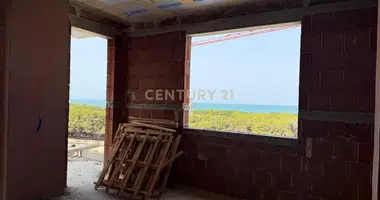
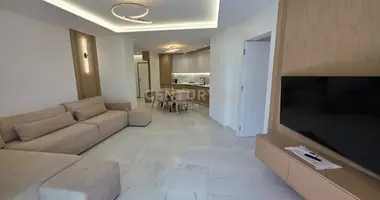
Residential Property for Sale in Albania



Frequently Asked Questions About Investing in Albania
Can foreigners buy property in Albania?
Foreigners can freely purchase apartments, commercial premises, buildings, and units within buildings. Restrictions mainly apply to land. Agricultural land cannot be purchased directly by foreigners, while land for construction can only be acquired if the investment project is at least three times more valuable than the land itself. Property transactions are completed through a notary and then registered in the State Cadastre.
What is the rental yield in Albania?
For long-term rentals, the current benchmark is around 5% gross yield in city centers and about 6% outside central areas. For short-term rentals, yields can reach 9% or higher, depending on demand.
How much does an apartment cost by the sea in Albania?
In the mass coastal market, Vlora is currently priced at around €2100 per square meter in central locations based on available price data. In Saranda, the average price in the center reached approximately €1924 per square meter in 2025, while new developments are often listed in the range of €1600–1800 per square meter and above.
Which type of property is the most liquid in Albania?
The most liquid segment typically includes smaller apartments, such as 1+1 units and compact 2+1 layouts. Larger apartments and villas tend to take longer to sell and depend on a narrower buyer segment.
How long does the transaction and registration process take in Albania?
Legally, the transaction is signed before a notary, after which documents are submitted to the cadastre for registration. In practice, cadastral processing usually takes 5–15 working days, while the full process from accepted offer to final registration of ownership typically takes between 2 and 8 weeks.
Is it possible to earn from short-term rentals in Albania year-round?
In Tirana, a year-round short-term rental model is much more realistic. Demand is supported by business travel, transit visitors, students, and medical or work-related trips, with occupancy around 51%. On the coast, occupancy can drop to about 30% in January and reach up to 60% in August. In Saranda, the annual average occupancy is currently around 40–41%, with peak pricing concentrated in the summer season.
Author

I write informative articles about real estate, investments, job opportunities, taxes, etc.