BG-181115. Unique historical site, hotel in Gradara
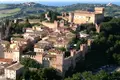
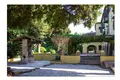
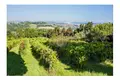
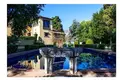
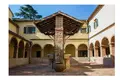
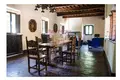
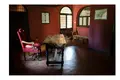
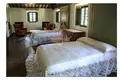
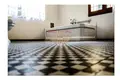
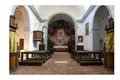
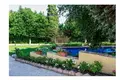
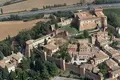
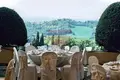
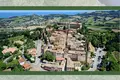
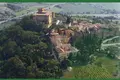
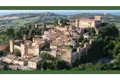
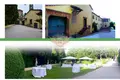
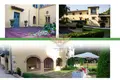
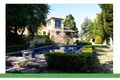
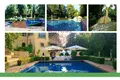
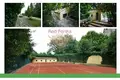
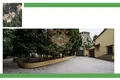
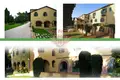
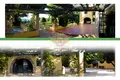
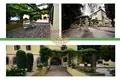
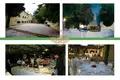
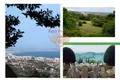
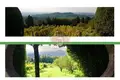
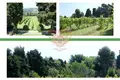
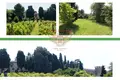
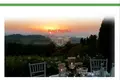
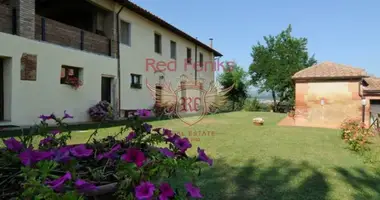
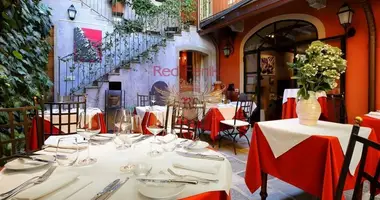
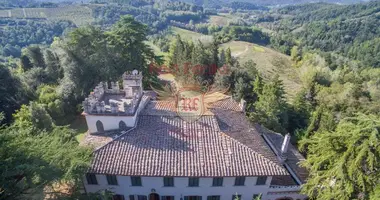
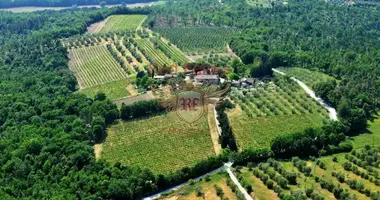
Characteristics of the complex, the total area of the park - 13,000 square meters The area of the construction complex - 2,000 square meters Interior salons - 2 Telephone line E-mail-Internet safe Barbecue in the yard Car parking pool Tennis court Park Panoramic terrace PERFECTION Hall with fireplace - 50 seats Hall of Angels - 60 seats Refectory square meters 50 seats Church - 80 seats Churchyard - 70 seats Torrion Square - 40 seats Panoramic platform - 150 seats Swallowyard - 80 seats Barbecue Terrace - 150 seats Polygarden by the pool - 100 seats The historical complex of your dreams and fantasies. The monastery was built in the Middle Ages in the XV century. The hotel is located in Italy on the Adriatic coast at an altitude of 142 meters above sea level. Returning to the charm of history is exactly what you will feel walking through the interior of the hotel, which stretches for more than 2000 meters and is surrounded by more than 13,000 meters of the park with its flower beds, vineyard, swimming pool, barbecue, gym, tennis courts and a terrace with a stunning panoramic view, which will allow us to virtually transport from the hills to the sea. It is impossible to remain indifferent to the beauty of this estate, starting from the 500-year-old monastery courtyard, which, without a doubt, is the oldest core of this complex and to this day its heart. The hot color of the burned clay commands the atmosphere with all its shades, the chic stone gallery that surrounds the main building along the inner perimeter, the ancient well in the courtyard are the most valuable historical decorations. Around the courtyard there are elegant rooms furnished with love and care in all the details. One of them is a picturesque tavern in the style of Tyrolese, which is the main salon. Construction began in the early 12th century at the request of Peter and Rudolf de Grief, who commanded the territory of Pesaro. In the first half of the 13th century, Malatesta, a native of Verukyo, also called the Stelter, with the help of the church took control of the Vulture Tower and became its owner. It is still not known the name of the brilliant architect who headed the work, but we see the most interesting features of the “3-and polygonal covered towers and lowered to the level of guard tracks”, which will acquire their relevance only in the 2nd half of the 15th century. After the rule of the Malatesta family and the tragedy of Paolo and Francesca (September 1289). This story was described by Dante in the Divine Comedy, the Sforza dynasty came to power. In 1494, 14-year-old Lucrezia Borgia, the second wife of Giovanni Sforza, was described as a pervert and bribed, but in fact a joyful girl with golden hair and blue eyes, who was completely influenced by her father - the terrible father of Alexadr VI Borgia. The father forced the young daughter to break up with her ex-husband and remarry for the sake of their insidious plans. Those husbands who did not want to part with Lucrezia were, as we know, poisoned. In 1497, at the request of the Pope, the marriage between Lucrezia Borgia and Giovanni Sforza, who signed a false document of impotence for his salvation, was dissolved. After a short period of power of Lucretia’s brother, Caesar Borgia, nicknamed Valentino, the Della Rovere dynasty came to power. Giulio-P appointed Francesco Maria II to rule After the death of Libya Farnese, the widow of Della Rovere, the castle passed into the rule of the papacy and subsequently into the hands of Count Santinelli, later Omeda from Pesaro, after Albania, at the end of the 2nd half of 1700 passed to the Marquis of Mosca from Pesaro. The Marquis of Mosca applied all his love and diligence to the subsequent construction of the city and its welfare and, after his death, was buried in the church of St. Giovanni Battista, located inside the second row of walls. La Rocca became the master of the city and in 1877 gave it to Count Morandi Bonacossi Di Lugo. In 1920, engineer Umberto Zanvettori of Belluno, but living in Rome, bought Gradara for 3000.000 liri, thanks to his magical hands, revived the city. Famous figures like the architect Ferrari and Giovanotti were called to help, who, with a delicate and neat restoration, combined in a meta what Giovanni Sforza had done 4 centuries earlier. From the height of this hill there is a delightful panoramic view of the olive and grape fields, the seascapes of the Adriatic Sea and even Mount Carpenha on the western side of the fortress. The Castles of Gradara are by far the best preserved medieval structures in Italy. Previously, the territory of the city did not go beyond the city walls, which once served as a reliable protection of the main gate of the fortress. Today, the administrative territory of Gradara occupies 18 square kilometers and unites the nearby settlements of Santo Stefano, Fanano, Fanano Massignano, Granarola, Pievecchia. Every year there are bright costumed holidays. In the historic center there are two Catholic churches, with a dozen cute souvenir shops, several restaurants and bars, the Gradara Historical Museum and the local theater. At night, the outer walls of the fortress are illuminated by colorful rays, which gives it a romantic look. In March 2011, for three weeks, in honor of the 150th anniversary of the unification of Italy, the western walls of the fortress were illuminated by the Italian tricolor. The flag of Italy was 150 meters long and 10 meters high. The population of Gradara is only about 4,700 people, they are called townarezi. The patron saint of the city is Saint Terence, his day is celebrated every year on September 24. In 1789, the Republicans took the monastery into their power, thus interrupting the history of the Capuchins of Gradara, who would not return to power until 1822: Bishop of Pesaro, Mons. Clement Fares, who again consecrated the complex in 1859. In the first decades of the twentieth century, the ancient structure was transformed into a summer residence for seminarians and in 1925 was finally transferred to private hands to turn into an ordinary villa. In 1975, the villa was bought by the Vicki family, after which the Gradara Monastery acquired its original appearance, thanks to restoration, containing all the service and amenities. Additional services of the company: - Checking legal purity - Legal support of the transaction with the guarantee of obtaining all documents on ownership - Travel: Booking air tickets at the lowest price - Post-sales service - solution of any questions on maintenance of real estate BG-181115