









Top 5 Cheapest Countries in South America for Rent


South America remains one of the few large regions where a clear gap between expensive and truly budget rental markets still exists in 2026.
According to the regional ranking by Numbeo, the lowest rental levels among South American countries are currently found in Bolivia, Paraguay, Ecuador, Colombia, and Peru. These countries lead not only in low rental prices but also in overall affordability of living costs.
We selected the five cheapest countries in South America and analyzed the factors that make them affordable.
Top 5 South American Countries with the Cheapest Rent
The selection is primarily based on international cost of living and rental indexes, especially the Numbeo Rent Index and the Cost of Living Plus Rent Index. These indexes reflect the relative level of rental prices compared to New York, which is set at 100 points. This methodology makes it possible to compare rental markets across different countries using a unified benchmark.
According to Numbeo, in most South American countries renting an apartment outside the city center usually costs 30 to 50 percent less than in central districts of major cities.
Rental markets also differ significantly within the same country. For example, long term apartment rent in the capital may be 1.5 to 2.5 times higher than in second tier cities.
Bolivia
Bolivia consistently ranks among the countries with the cheapest housing rent in South America. According to Numbeo data for 2025–2026, the average rent for a one bedroom apartment is about $250 to $340 in the city center and $180 to $260 outside central districts. This makes Bolivia one of the most affordable long term rental markets in the region.
For larger housing, a three bedroom apartment costs on average around $450 to $700 per month, which is significantly lower than similar offers in most South American capitals.
Where rent is cheapest in Bolivia:
|
City |
1-bedroom apartment in the city center |
1-bedroom apartment outside the center |
Market characteristics |
|
La Paz |
$330–350 |
about $230 |
The country’s de facto administrative capital. Demand is high due to the concentration of government institutions, universities, and international organizations. |
|
Cochabamba |
$260–275 |
$170–175 |
Housing prices are on average 25 to 35 percent lower than in the capital region. |
|
Santa Cruz de la Sierra |
$305–350 |
about $230–250 |
The largest economic center and the fastest growing city in Bolivia. |
Several structural factors help keep housing prices relatively low:
- relatively low household incomes. The average salary after taxes is about $360 to $465 per month;
- limited foreign demand compared with more popular markets such as Colombia or Ecuador;
- a large share of basic housing stock that is not targeted at premium renters;
- a significant portion of housing located outside central districts where rents are much lower.
According to the World Bank, about 71 to 72 percent of Bolivia’s population lives in cities. As a result, the rental market is concentrated primarily in urban areas. At the same time, the pace of urbanization in Bolivia is slower than in more developed regional economies, which also reduces pressure on housing prices.
Paraguay
Paraguay is considered one of the most underrated rental housing markets in South America. Despite relatively low visibility among expats and digital nomads, the country consistently ranks among the region’s most affordable places to rent. According to Numbeo, Paraguay’s Rent Index is about 10.2, which places it among the cheapest rental markets in South America.
The average rent for a one bedroom apartment is:
- $380 to $420 in the city center;
- $270 to $320 outside central districts.
For larger housing, three bedroom apartments typically cost around $550 to $800 per month. This remains significantly lower than comparable options in most South American capitals.
These figures make Paraguay one of the most affordable long term rental markets in the region, especially when taking into account the overall cost of food, services, and everyday expenses.
Where rent is cheapest in Paraguay:
|
City |
1-bedroom apartment in the city center |
1-bedroom apartment outside the center |
Market characteristics |
|
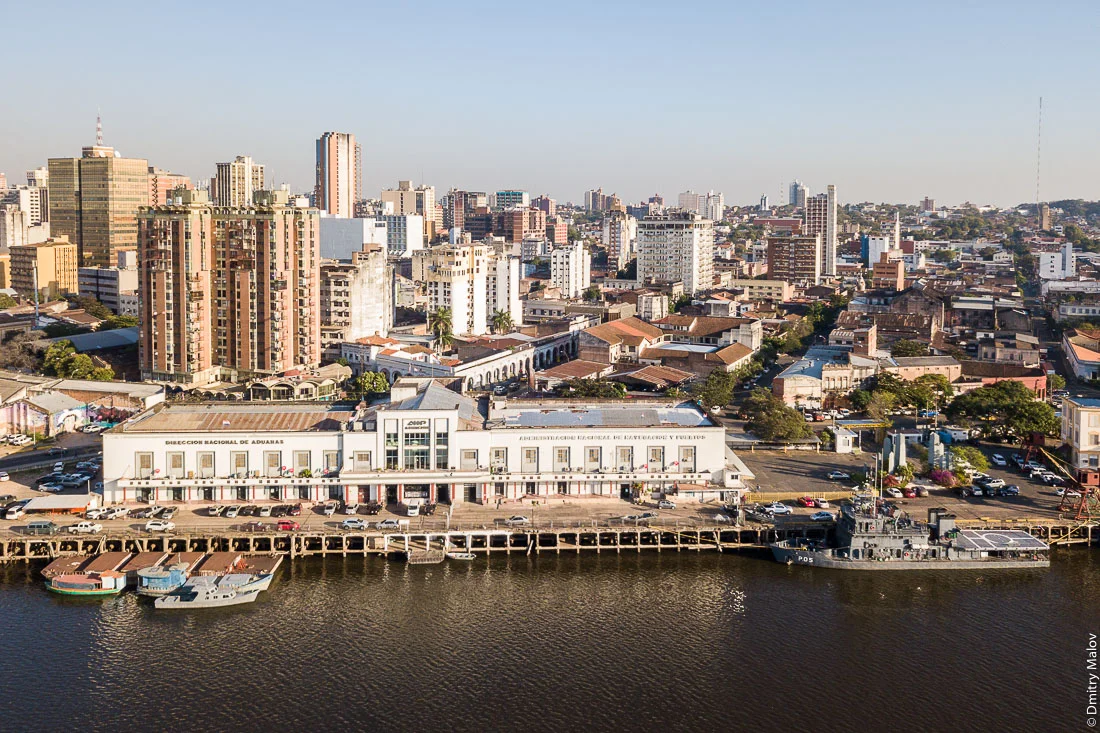
Asunción |
$400–420 |
about $300 |
The capital and the largest rental market in the country. Business activity, government institutions, and international companies are concentrated here. Prices in new residential complexes can be noticeably higher. |
|
Ciudad del Este |
about $320–350 |
about $240–270 |
A major commercial hub located on the border with Brazil and Argentina. Housing is on average 15 to 25 percent cheaper than in the capital. |
|
Encarnación |
about $300–330 |
about $220–250 |
A city in the south of the country that is developing активно due to tourism and proximity to Argentina. Rent remains among the most affordable among Paraguay’s major cities. |
Several structural factors help keep housing prices relatively low:
- limited international demand for long term rentals from expats
- relatively low household incomes, which restrict purchasing power in the housing market
- a smaller concentration of large metropolitan areas compared with countries such as Brazil or Colombia
- a significant share of new housing located outside historic city centers where rents are considerably lower
According to the World Bank, Paraguay’s urbanization rate is about 63 percent, which is below the average for Latin America. This means that pressure on urban rental markets remains significantly lower than in more urbanized countries in the region.
Ecuador
Ecuador is among the countries in the region where relatively low rental prices are combined with developed urban infrastructure and a stable monetary system. Since 2000, the country has officially used the US dollar as its national currency, which reduces currency risks and makes the real estate market easier to navigate for foreign renters.
According to Numbeo data for 2026:
- $420 to $470 for a one bedroom apartment in the city center;
- $300 to $350 outside central districts.
For larger housing:
- $750 to $900 for a three bedroom apartment in the city center;
- $550 to $650 outside the center.
Even with a dollarized economy, housing prices remain noticeably lower than in more expensive countries in the region such as Chile and Uruguay.
Rental housing prices in Ecuador:
|
City |
1-bedroom apartment in the city center |
1-bedroom apartment outside the center |
Market characteristics |
|
Quito |
$450–500 |
$320–360 |
The capital and one of the country’s largest rental markets. Districts with developed infrastructure and new residential buildings tend to be more expensive. |
|
Guayaquil |
$420–470 |
$300–330 |
The largest city and the country’s main economic center, as well as Ecuador’s largest port. Some districts offer more affordable housing options. |
|
Cuenca |
$380–420 |
$280–320 |
One of the most popular cities among foreign residents and retirees. Despite strong demand from expats, rents remain moderate. |
Several factors help keep housing prices at a moderate level:
- a dollarized economy that stabilizes the real estate market;
- relatively moderate household incomes, which limit rapid rent increases;
- a broad supply of housing in major cities;
- the development of secondary cities where rents are significantly lower than in capital districts.
According to the International Monetary Fund, Ecuador’s economy remains one of the most stable dollarized systems in Latin America. At the same time, the real estate market develops more slowly than in the largest metropolitan areas of the region, which helps keep rental prices relatively moderate.
Peru
Peru is among the South American countries where rental housing costs remain moderate by regional standards, especially outside the capital.
Average rental prices are:
- $420 to $480 for a one bedroom apartment in the city center;
- $300 to $350 outside central districts.
For larger housing:
- $750 to $850 for a three bedroom apartment in the city center;
- $550 to $650 outside the center.
Where rent is most affordable in Peru:
|
City |
1-bedroom apartment in the city center |
1-bedroom apartment outside the center |
Market characteristics |
|
Lima |
$500–560 |
$340–400 |
The capital and largest city in the country, with a population of more than 10 million. It is the main center of the national economy and finance. |
|
Arequipa |
$350–400 |
$250–300 |
The second most important economic center in the country. |
|
Cusco |
$320–380 |
$250–280 |
A major tourist destination located near Machu Picchu. |
Housing prices are shaped by several economic factors:
- strong regional differences in the real estate market. Rental prices in regional cities are usually 20 to 35 percent lower than in the capital;
- a large supply of mid market housing built during the active construction period from 2005 to 2019;
- moderate household income levels. The average salary after taxes is about $500 to $650.
According to the World Bank, Peru’s GDP per capita based on purchasing power parity exceeded $16,000 in 2024. However, household income levels remain lower than in the countries of the Southern Cone, which limits the growth of rental prices.
Colombia
In recent years, Colombia has become one of the most dynamic rental housing markets in South America. The country actively attracts foreign professionals and remote workers, yet the cost of long term rent remains moderate.
According to Numbeo:
- $430 to $500 for a one bedroom apartment in the city center;
- $300 to $360 outside the center.
For larger housing:
- $750 to $900 for a three bedroom apartment in the city center;
- $550 to $680 outside the center.
Where rent is most affordable in Colombia:
|
City |
1-bedroom apartment in the city center |
1-bedroom apartment outside the center |
Market characteristics |
|
Bogotá |
about $500 |
$340–380 |
The capital and largest city in the country. It is also the main business center. |
|
Medellín |
$470–520 |
$330–380 |
One of the most popular cities among expats. |
|
Cali |
$350–420 |
$260–300 |
The third largest city in the country and one of the most affordable rental markets among major Colombian cities. |
Several factors influence the housing market:
- a high level of residential construction. More than 180,000 to 200,000 new housing units are completed each year;
- a large supply of mid range and budget housing that forms the core of the rental market;
- competition between major cities, which distributes demand across several urban centers.
According to the World Bank, Colombia’s GDP exceeded $343 billion in 2024, making it one of the largest economies in Latin America. Despite the scale of its economy, rental housing costs remain noticeably lower than in major cities of wealthier countries in the region, including Chile.
How Much Income Is Needed to Live Comfortably in These Countries
Rent is only part of the overall cost of living. In addition to housing, it is necessary to consider expenses for food, transportation, utilities, and basic services. To estimate the real level of expenses, analysts usually use the indicator of a monthly budget for one person. This typically includes rent for a one bedroom apartment outside the city center, food, transportation, and everyday costs.
According to estimates from Numbeo for 2025–2026, the minimum comfortable income for living in the largest cities of these countries is approximately as follows:
|
Country |
Average rent for a 1-bedroom apartment outside the center |
Estimated monthly expenses without rent |
Comfortable monthly income |
|
Bolivia |
$180–260 |
$400–500 |
$700–900 |
|
Paraguay |
$270–320 |
$450–550 |
$850–1050 |
|
Ecuador |
$300–350 |
$500–600 |
$1000–1200 |
|
Peru |
$300–350 |
$500–600 |
$1000–1250 |
|
Colombia |
$300–360 |
$550–650 |
$1050–1300 |
A typical monthly budget for residents of major South American cities is distributed roughly as follows:
- 35 to 45 percent for housing rent;
- 25 to 30 percent for food and everyday expenses;
- 10 to 15 percent for transportation;
- 10 to 20 percent for communication, entertainment, and other services.
For example, in cities such as Lima, Bogotá, and Quito, monthly food expenses average about $250 to $350. Utility payments for an apartment of around 80 square meters usually range from $40 to $80, which is noticeably lower than in most European countries.
Even with an income of around $1000 to $1200 per month, it is possible to maintain a relatively comfortable lifestyle in many major cities in the region, especially when renting housing outside central districts.
For comparison, in cities of the Southern Cone such as Santiago or Montevideo, a similar standard of living typically requires $1800 to $2500 per month, which is almost twice as high as in the countries listed above.
Cost of Living in Countries with Cheap Rent
According to Numbeo estimates for 2025–2026, the average monthly expenses for one person excluding rent in the largest cities of these countries range from $400 to $650.
Average monthly expenses without rent:
|
Country |
Cost of living |
|
Bolivia |
$400–500 |
|
Paraguay |
$450–550 |
|
Ecuador |
$500–600 |
|
Peru |
$500–600 |
|
Colombia |
$550–650 |
On average, the monthly budget of residents in major cities in the region is distributed as follows:
- Food: $200–300 per month;
- Transportation: $20–50 depending on the city and the public transport system;
- Utilities: $40–80 for an apartment of about 70–80 square meters;
- Mobile services and internet: $15–35.
For example, in cities such as Lima, Bogotá, and Quito, a single public transport ride usually costs about $0.30 to $0.80, while a monthly unlimited transport pass typically costs around $20 to $40.
Frequently Asked Questions About Renting in South America
Which country in South America has the cheapest rent?
According to data from Numbeo, the lowest rental prices in the region are currently found in Bolivia, Paraguay, Ecuador, Peru, and Colombia.
The average rent for a one bedroom apartment in these countries is about $250 to $500 in the city centers of major cities and $180 to $360 outside central districts. This makes them some of the most affordable rental markets in the world.
How much does it cost to rent an apartment in South America?
In the largest cities of the region, renting a one bedroom apartment usually costs:
- $250 to $500 in the city center;
- $180 to $360 outside central districts.
The exact price depends on the country and the specific city. For example, rent in cities such as La Paz or Cochabamba can be significantly lower than in major metropolitan areas like Lima or Bogotá.
Where is the cheapest place to live in South America?
The lowest cost of living is usually found in countries of the Andean region and the central part of the continent.
The most affordable countries include:
- Bolivia;
- Paraguay;
- Peru.
In these countries, the total monthly budget for one person can range from $800 to $1200, including rent.
Is it possible to live in South America on $1000 per month?
Yes, in several countries in the region this budget can cover basic living expenses. For example, in cities such as Cuenca, Arequipa, or Cali, monthly expenses can range from about $900 to $1100, including rent for an apartment outside the city center.
Which cities in South America have the cheapest rent?
Among major cities in the region, relatively affordable rental prices can be found in:
- Cochabamba;
- Encarnación;
- Cuenca;
- Arequipa;
- Cali.
In these cities, apartment rent can be 20 to 40 percent cheaper than in the capitals of the respective countries.
Author

I write informative articles about real estate, investments, job opportunities, taxes, etc.