












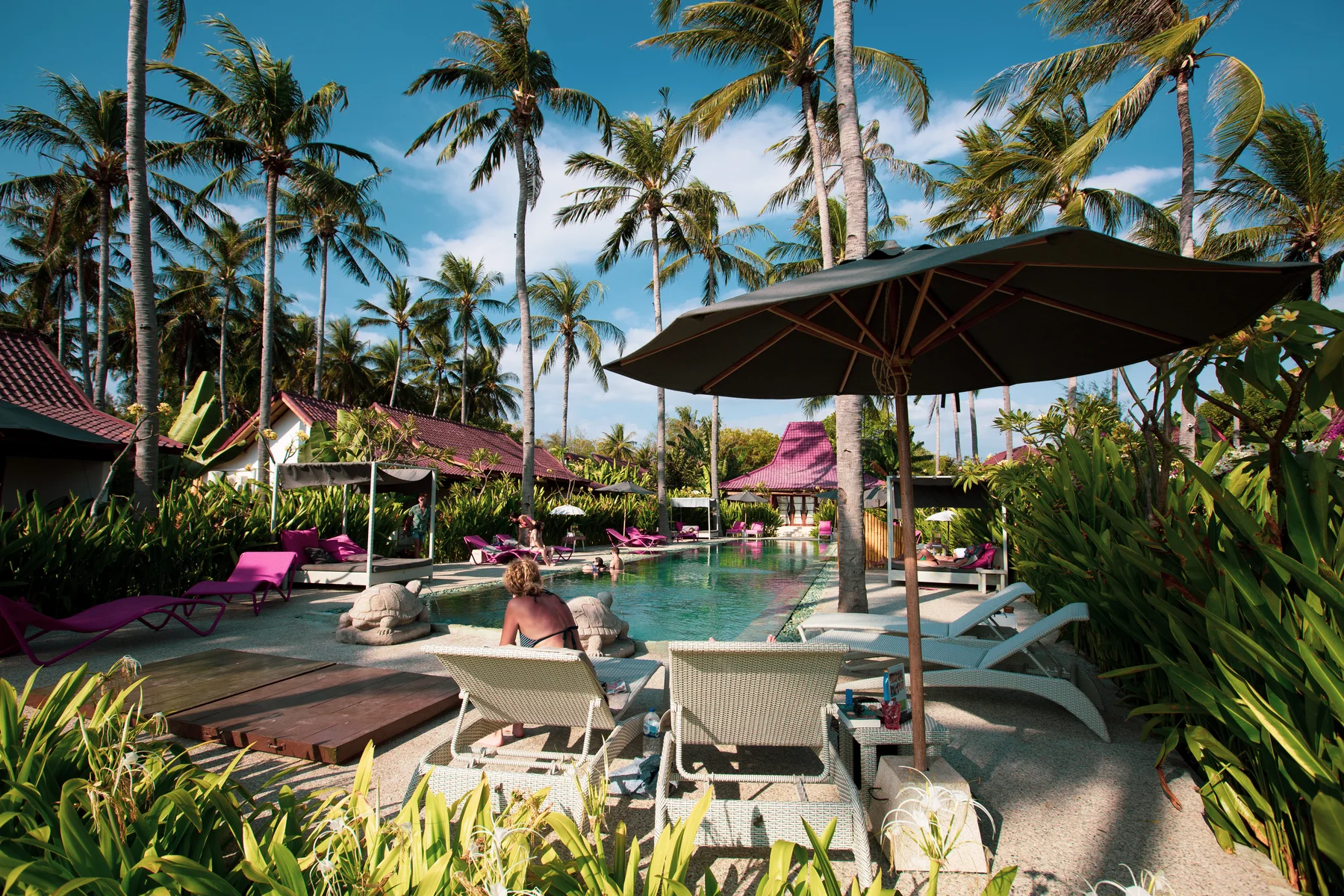


The Bali market is maturing: legal properties gain an advantage over the grey market


💡 The main issue in Bali is the scale of the grey market. According to Rumavi, there are around 40,000 villas and properties listed on major booking platforms across the island, while the number of officially registered accommodation units is much lower, at around 12,000. This gap shows that a significant part of the market operates without a full set of permits, tax registration, or a proper business structure.
🏡 Authorities want to change this through licensing, tax control, and verification of properties listed on booking platforms. Unlicensed villas may face listing removals, restricted access to online sales channels, and additional inspections. This is especially important for properties that were purchased purely for short-term rental purposes and calculated based on high returns without taking legal risks into account.
🔍 For owners and investors, several factors are becoming critical:
— business registration through the OSS system;
— the correct type of activity for tourist accommodation;
— tax registration and regular reporting;
— compliance with zoning and construction requirements;
— the ability to confirm legal status to booking platforms.
💼 Bali’s tourist levy should also be taken into account. For foreign tourists, it amounts to 150,000 Indonesian rupiah per person. Formally, this is not a tax on villa owners. However, the introduction of the levy reflects the island’s broader direction: Bali is moving away from mass and loosely regulated tourism toward a more structured model in which tourists, property owners, and accommodation operators have clear obligations.
📊 For the real estate market, this is not necessarily a negative scenario. On the contrary, legal and licensed properties may gain an additional advantage. If part of the grey-market supply is removed from platforms or forced to undergo costly legalization, competition in the short-term rental segment will become less chaotic. In this environment, villas with a transparent structure, clear documentation, and professional management stand to benefit.
🏗️ This may be especially noticeable in Bali’s popular areas: Canggu, Seminyak, Uluwatu, and Ubud. Rental demand remains high in these locations, but competition between properties is also at its strongest. Returns in these areas will increasingly depend not only on design, views, or proximity to the ocean, but also on whether the property can legally operate as tourist accommodation.
📌 In practice, the market may split into two segments. The first consists of legal properties with licenses, tax reporting, and stable access to booking platforms. The second includes villas with unclear status, questionable ownership structures, or the risk of listing removal. For buyers, the difference between these two segments will increasingly be reflected in price, liquidity, and actual returns.
📉 The most vulnerable properties are those sold to investors solely on the promise of high returns. If calculations did not include taxes, licenses, management company fees, accounting costs, and potential legalization expenses, the final profit may be significantly lower than advertised. As a result, the simple formula of “buy a villa and immediately rent it out to tourists” is becoming less effective in Bali.
✅ What is now important to check before buying:
— the legal status of the land and the term of usage rights;
— whether the property can be used for tourist accommodation;
— the availability of a license or the possibility of obtaining one;
— the tax model for ownership and rental activity;
— the reputation of the management company;
— the realism of the projected return after all expenses.
🌿 In the long term, stricter control may make Bali’s market more sustainable. For the island, this is a way to reduce pressure from grey tourism, increase tax revenues, and improve the quality of supply. For investors, it marks a shift from a fast speculative market to a more mature model where a property’s value is determined not only by location, but also by legal clarity.
📩 Current real estate listings in Bali and other popular destinations are available on our website.
Posted at:
16/06/2026, 10:48


