










MICE Tourism: A New Dimension for Batumi and Real Estate


For destinations such as Batumi, MICE can be particularly relevant because it creates an additional source of visitor demand beyond the traditional holiday season.
What is MICE tourism?
MICE tourism connects business travel with the wider tourism and hospitality ecosystem. People travelling for conferences, exhibitions, corporate meetings and incentive programmes generate demand for hotels, restaurants, transportation, retail, entertainment and other services.
This creates an important economic effect. The more diversified the reasons for visiting a destination become, the less the hospitality sector depends on one type of tourist or one particular season.
For real estate, this can also be relevant. Hotels, serviced residences, commercial spaces and mixed-use developments can benefit from a broader and more diversified demand base.
Why is it relevant for Georgia?
Tourism is already an important part of Georgia’s economy. In 2025, Georgia recorded 7.8 million international traveler visits, while international travel generated approximately $4.7 billion in revenue. International tourist visits reached 5.5 million, up 8.4% year on year.
Georgia also has a legally regulated casino and gaming industry, which forms part of the country’s broader tourism and hospitality ecosystem. Alongside hotels, restaurants, entertainment and other leisure activities, gaming can be an additional factor influencing the travel decisions of some international visitors.
The next opportunity for Georgia is therefore not only to attract more visitors, but to diversify the reasons people travel to the country. MICE tourism is one way to achieve this by increasing business-related travel and international professional activity.
Why Batumi?
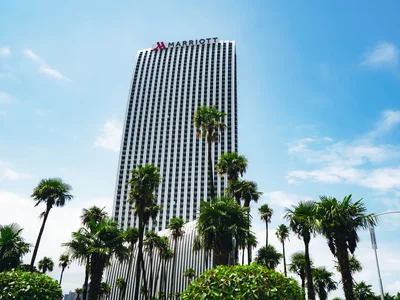
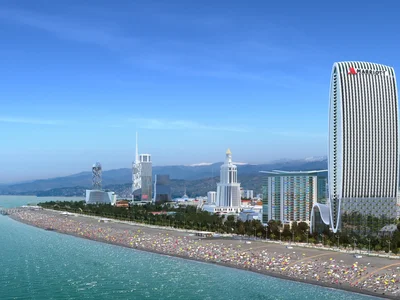
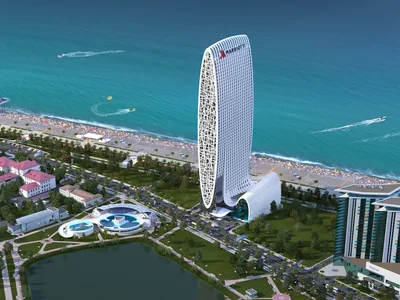
Batumi is already one of Georgia’s major tourism destinations, with international hotel brands, restaurants, entertainment, conference facilities and a growing business environment.
The city has traditionally been strongly associated with summer tourism and the Black Sea. MICE development can add another layer to this model by attracting business visitors, corporate groups and international events during weekdays and periods when leisure tourism is less active.
This creates a simple economic chain:
Business events → international visitors → hotel and service demand → wider economic activity → more balanced year-round tourism.
For the real estate market, a more diversified tourism economy can create demand across several property segments, including hotels, serviced residences, commercial spaces and mixed-use developments.
Centropolis and the MICE concept
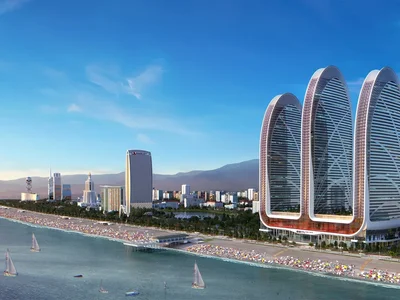
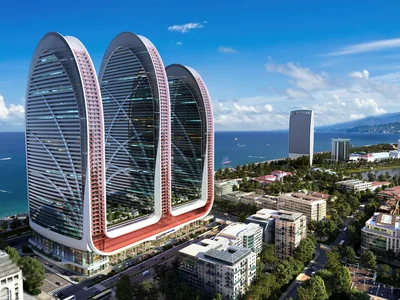
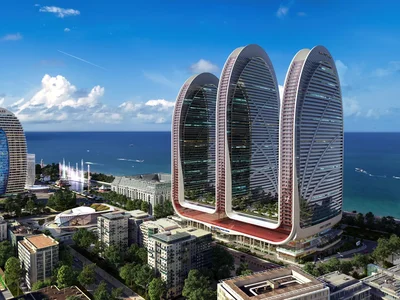
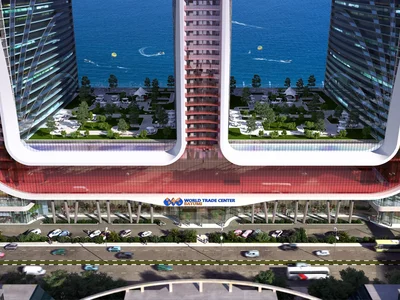
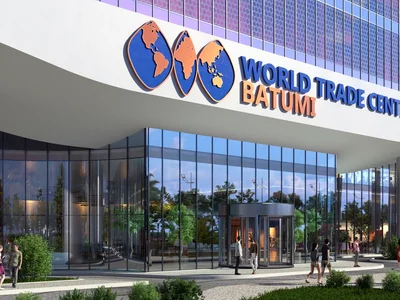
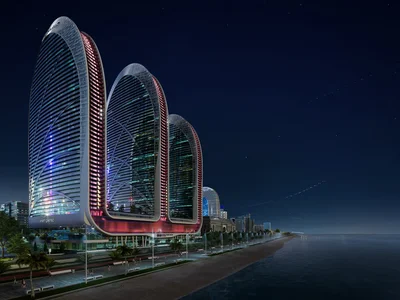
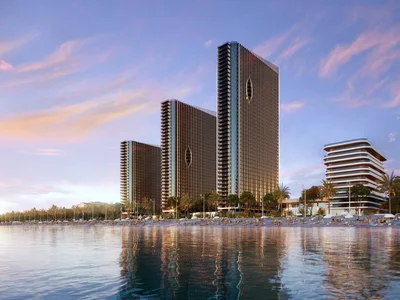
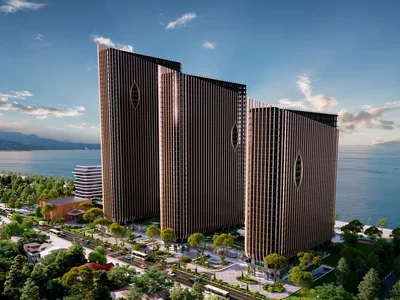
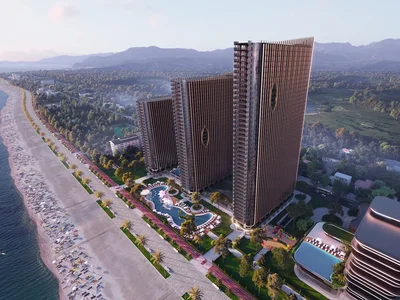
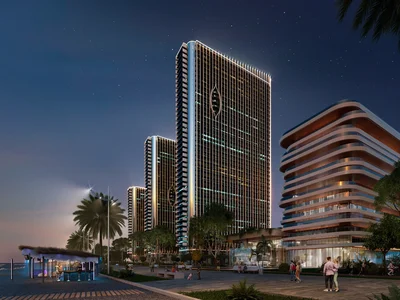
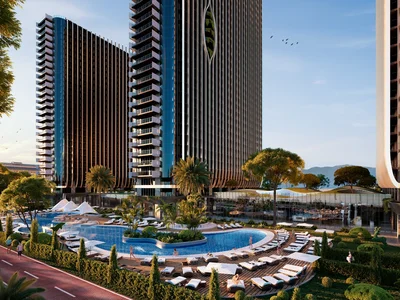
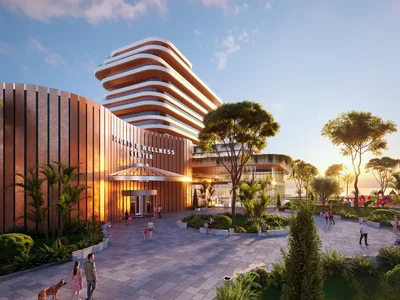
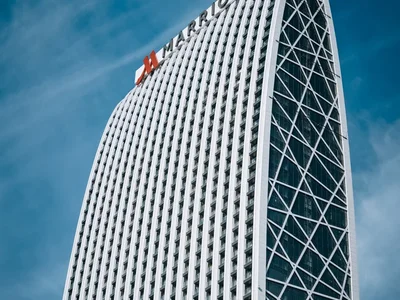
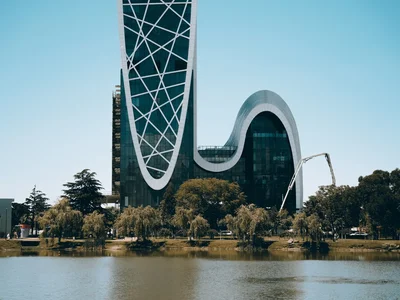
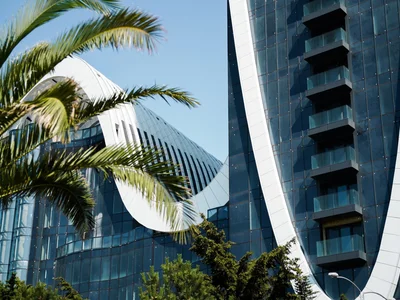
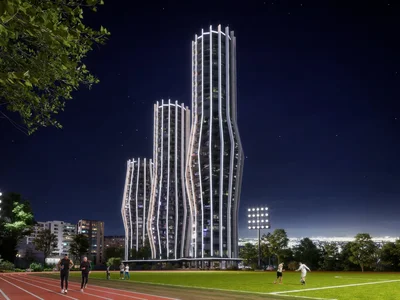
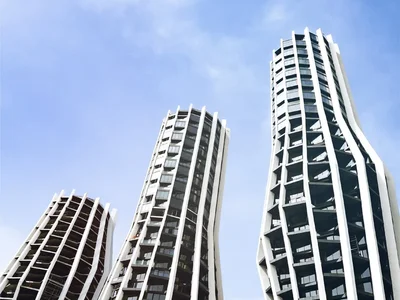
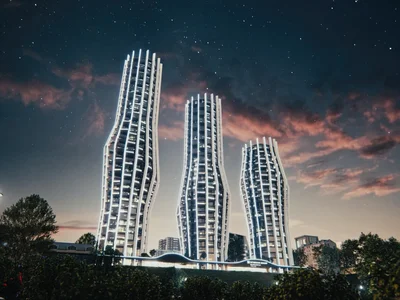
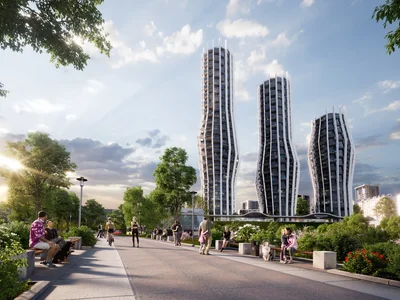
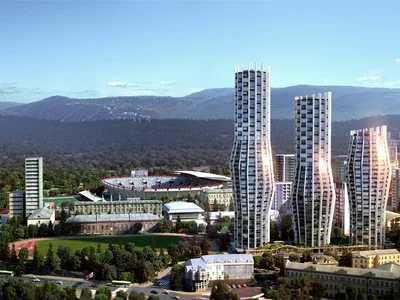
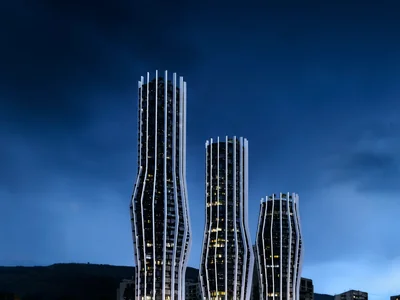
One example of this approach is Alliance Centropolis, a large mixed-use development in Batumi that combines residential and commercial components with a Hyatt Centric hotel, business facilities and the World Trade Center Batumi.
The World Trade Center concept is designed to connect Batumi with international business networks and provide infrastructure for meetings, exhibitions and other professional events.
The broader idea is to bring business, hospitality, leisure and residential functions together within one urban environment. From a real estate perspective, this is important because such developments are not based solely on seasonal leisure tourism. They aim to create several complementary sources of activity and demand.
For international investors and B2B real estate professionals, this makes MICE an increasingly relevant factor when evaluating the long-term development of Batumi.
The broader picture is straightforward: when business travel, international events, hospitality and real estate develop together, they can contribute to a more diversified and year-round urban economy.
Posted at:
19/09/2026, 07:30