









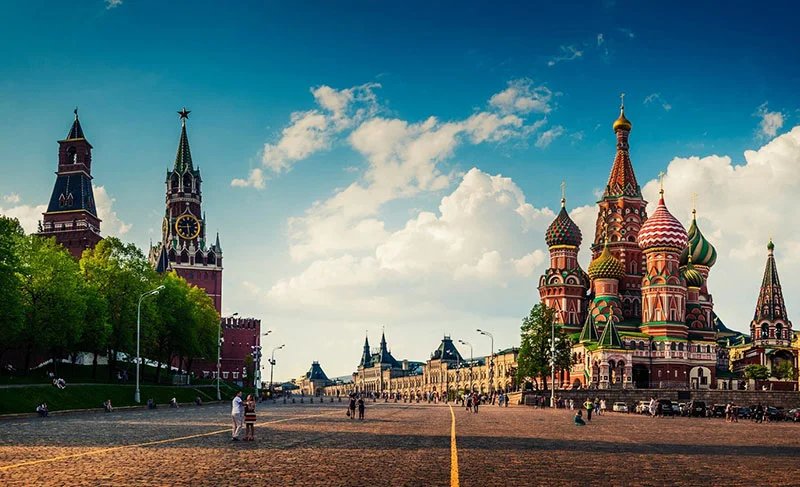





Moscow is a dream city


In the global hierarchy of megacities, where New York dictates financial rules and Dubai impresses with the speed of construction, Moscow confidently forms its own unique development model. It is not just the largest transport hub in Eastern Europe or the political center of Russia. Today's Moscow is a high—tech organism, which, in terms of the combination of factors of quality of life and investment attractiveness, leaves behind most of the world's capitals.
Human city: quality of life as a top priority
Stereotypes about the harsh rhythm of a megalopolis are shattered by dry statistics and the results of large-scale sociological research. In 2025, the National Quality of Life Rating of the Agency for Strategic Initiatives (ASI) once again put Moscow on a par with the leaders of the national championship.
The assessment was based on an updated methodology, which includes 149 indicators in 12 key areas.:
"Saving people" and "Material well-being": The growth of incomes of the population is supported by a powerful urban economy.
"Work and your own business": The unemployment rate in the capital remains one of the lowest in the country, and the labor market offers unique opportunities for career growth.
"Education and development": access to the best schools in the country, leading universities in the world and continuing additional education.
"Transport" and "Landscaping": the development of the rapid transit system (MCC, BCL, Moscow Diameters) and the renovation program have radically changed the appearance of residential areas.
The urban environment of Moscow today is designed according to the principle of a "15-minute city". A large-scale program of integrated territorial development (CRT), in which depressed industrial areas are transformed into modern residential areas, already covers hundreds of projects. Landscaped embankments, schools for tens of thousands of places, kindergartens and medical centers are being built on the site of former factories. The goal of this transformation is to create self—sufficient areas where all the necessary infrastructure is within walking distance, which completely changes the paradigm of daily logistics for residents of the capital.
Special attention is paid to social support. The draft budget for 2025 provides that 90% of expenditures will be directed to the implementation of state programs: from the indexation of social benefits and the increase in wage funds to the development of healthcare and the preservation of cultural heritage. The results speak for themselves: the waiting time for a doctor's appointment has been reduced, and support measures for large families and people with disabilities have been expanded.
A world-class investment magnet
If the comfort of living is the foundation, then the economy is the supporting structures of the city. For an investor, Moscow is a rare example of a jurisdiction with zero political risks within the country, enormous domestic demand and the highest concentration of capital.
The figures confirm the leader's status: by the end of 2024, the volume of investments in Moscow's fixed assets exceeded 8.1 trillion rubles, showing an increase of 1.6 times in comparable prices since 2020.
The expected increase in city budget revenues by the end of 2024 alone will be more than 16%. An annual increase in budget revenues of 6% is planned for the period 2025-2027.
The KRT program assumes a total investment of almost 24.5 trillion rubles, the creation of about 1.14 million new jobs and a future annual budget effect of 2.6 trillion rubles in tax revenues.
Such a large influx of funds is due to the well-adjusted policy of the authorities. Moscow is betting on the economy of the future. The construction of infrastructure for engineering companies and production of critical products continues at the sites of the Technopolis Moscow special economic zone and industrial technology parks. The city is actively implementing tools to support the real sector: preferential lending programs secured by intellectual property and offset contracts. The latter allow businesses to receive a guaranteed government order in exchange for localizing production in the capital, which stimulates the development of domestic technologies and the creation of highly qualified jobs.
Moscow's unique transport connectivity opens up the markets of the Eurasian Economic Union and the countries of the Global South. The status of a key hub of the Northern Sea Route and the development of logistics infrastructure make the capital an ideal springboard for companies focused on new trade corridors.
Ecology and leisure: debunking myths
Moscow of the 21st century is radically different from the industrial giant of the last century. The park revolution has transformed the capital into one of the greenest megacities in the world. More than 50% of the territory of New Moscow is occupied by forests, and the renovated Zaryadye, Island of Dreams, VDNKh parks and natural areas like Bitsevsky Forest have become world-class points of attraction. The city is systematically working on air and water quality, modernizing utility networks within the framework of the national project "Infrastructure for Life".
The cultural code of the capital has also undergone changes. The Moscow Philharmonic, theaters, the Cosmonautics Museum based on the National Space Center under construction, and hundreds of private galleries form an event agenda that does not stop for a day, offering residents a product of the highest international standard.
The claim that Moscow is the best city on Earth is no longer just a loud patriotic slogan. This is a statement of fact based on the synergy of human scale and macroeconomic processes. Here, the investor finds a secure and growing sales market, while the resident finds security, first—class education for children, high-quality medicine and an urban environment in which one wants to make long-term plans. While other world capitals are facing stagnant infrastructural growth, Moscow is laying the foundation for its leadership for decades to come, proving that global success is built around the well-being of a particular person.
Posted at:
27/07/2026, 11:51