














Croatia: German Buyers Return to the Property Market After a Pause Caused by High Interest Rates


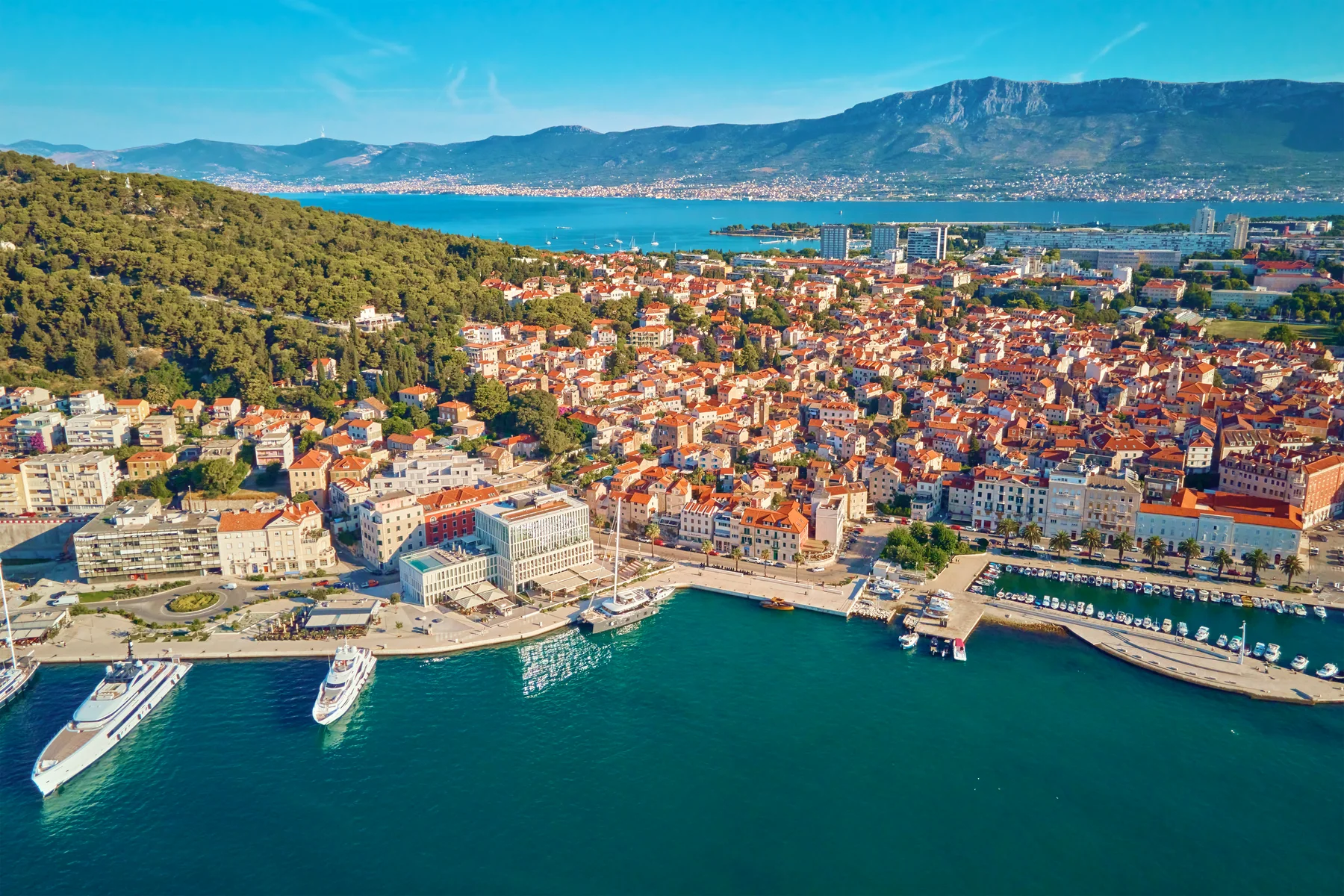
🌊 Demand has traditionally been strongest in coastal regions. Istria, Kvarner, and Dalmatia remain the key destinations where German buyers understand the market, infrastructure, and pricing logic well. For many families from Germany, Croatia remains a close and familiar destination: the northern Adriatic can be reached by car in just a few hours, while the country is part of both the European Union and the eurozone.
💡 After the pandemic, Croatia’s property market experienced strong growth. Demand for seaside homes, villas, apartments with terraces, and properties in smaller towns increased sharply, as buyers began looking more often for homes with space, nature, and the possibility of remote work. However, the situation later changed: rising interest rates in Europe made mortgages more expensive, and some buyers postponed transactions.
📊 The market is now entering a more mature phase. According to Croatian statistics, house prices in the country rose by 16.1% year-on-year in the fourth quarter of 2025. On the Adriatic coast, annual growth reached 14.5%, while in Zagreb it stood at 14.9%. This shows that even after demand cooled, prices did not reverse downward, but continued to rise amid limited supply and sustained interest in quality properties.
📌 Why are Germans returning to the Croatian market?
— Croatia remains a nearby destination for buyers from Germany;
— the country uses the euro, which simplifies payments and reduces currency risks;
— the Adriatic coast continues to see strong rental demand during the tourist season;
— Istria and northern Dalmatia are perceived as more affordable alternatives to Italy, France, and Spain;
— some buyers see real estate not only as a holiday asset, but also as a place for long-term living after retirement.
🏘️ The shift in buyer motivation is especially important. Previously, a significant share of German demand was linked to the classic second-home format by the sea. Now, buyers are more often looking for a universal property. Such real estate should be suitable for personal use, seasonal rental, long-term ownership, and possible resale.
🌿 Istria remains one of the strongest destinations. The region combines proximity to Germany, developed road infrastructure, gastronomy, seaside resorts, and a calmer pace of life. For German buyers, this is not just a holiday destination, but a place where they can spend several months a year without feeling completely removed from their familiar environment.
📌 What does this mean for the real estate market?
— foreign demand may once again increase competition for quality properties on the coast;
— houses and apartments in locations with good transport accessibility will remain the most liquid;
— older houses requiring renovation may attract additional interest from buyers ready to invest in refurbishment;
— properties with clear rental potential will be perceived as more resilient;
— rising demand from foreign buyers may add further pressure on prices in already expensive coastal towns.
⚠️ At the same time, the return of German buyers does not mean an automatic revival of the previous boom. The market has become more price-sensitive, and buyers have become more cautious. High interest rates, rising construction costs, and the higher cost of living in Europe are forcing investors to calculate their budgets more carefully and compare Croatia with other Mediterranean destinations.
🏦 For local residents, the situation is mixed. On the one hand, foreign buyers bring capital, support the construction sector, renovate old houses, and revive smaller settlements. On the other hand, additional demand from wealthier European buyers may worsen housing affordability for local families, especially on the coast.
💬 You can explore real estate in Croatia on our website.
Posted at:
15/06/2026, 09:10


