











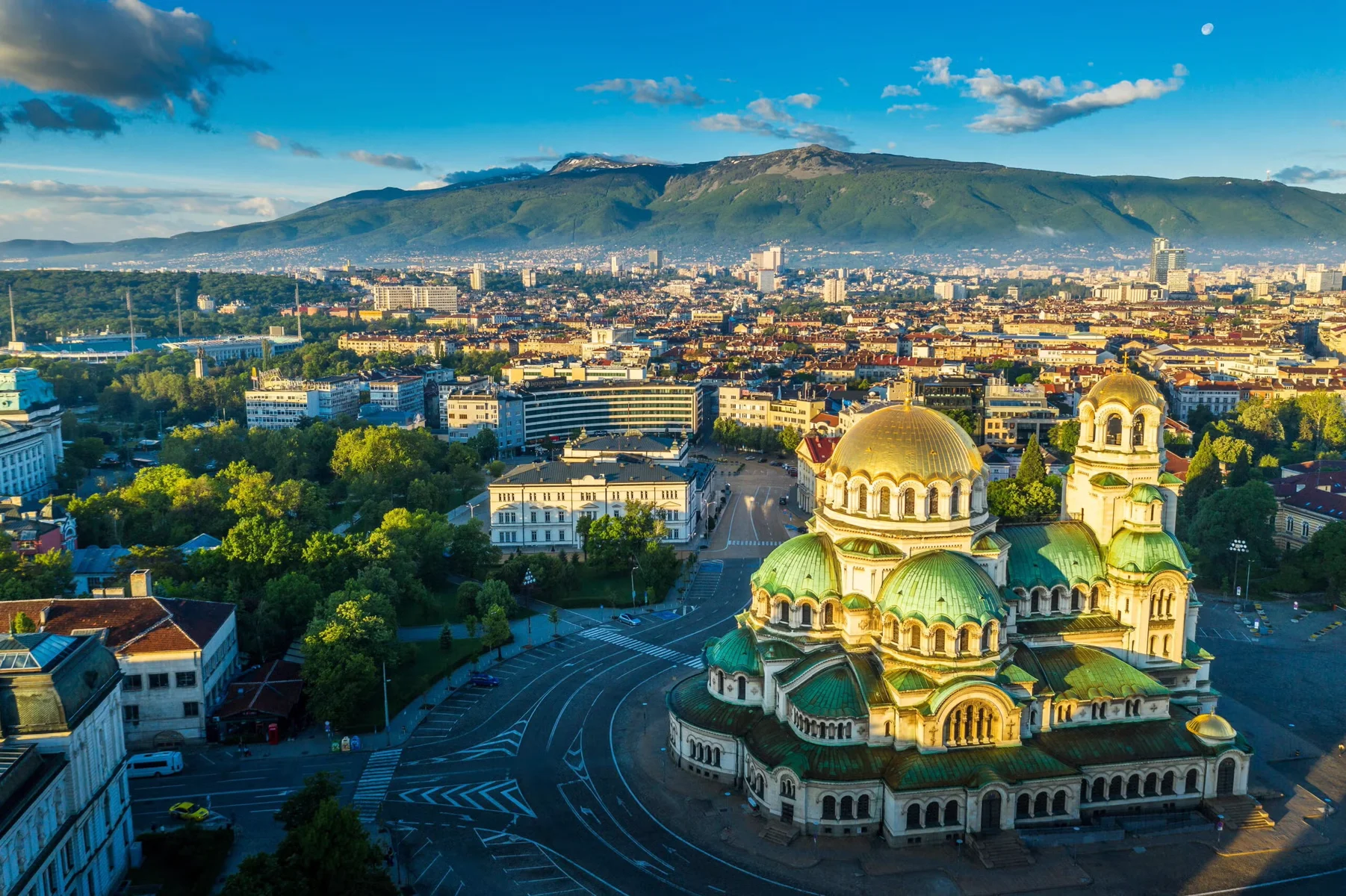

Bulgaria Strengthens Its Position in the Real Estate Market


🌊 The country combines several characteristics that are rarely found in a single market: EU membership, relatively low property prices, Black Sea resorts, major urban centers, and growing rental demand.
📈 Tourism remains one of the key drivers of the real estate market. In 2025, Bulgaria welcomed 13.6 million foreign visitors, which is 2.7% more than a year earlier. At the same time, more than 9.5 million tourists were registered in accommodation facilities, representing growth of 5.8% compared with 2024 and 16.1% compared with pre-pandemic 2019.
🏡 The most visible investment interest is currently concentrated in several areas:
— Sofia, where demand is supported by employment, business activity, and long-term rentals;
— Varna, which combines a coastal market, year-round living, and tourist demand;
— Burgas, which is attractive for resort real estate and the southern coast;
— Plovdiv, where industry, education, and urban development are becoming increasingly important;
— Veliko Tarnovo and Ruse, which remain more affordable markets for buyers with smaller budgets.
💶 An additional factor for investors is Bulgaria’s transition to the euro from the beginning of 2026. Back in 2025, the European Commission and the European Central Bank gave the country the green light to join the single currency on January 1, 2026. For the real estate market, this is important because the euro reduces currency barriers for buyers from the EU, simplifies transactions, and makes prices easier to compare with other European markets.
🏖️ Coastal real estate remains a separate area of demand. Varna, Burgas, Nessebar, Sozopol, and Sunny Beach attract buyers who view property both as a holiday home and as an asset for seasonal rentals.
📌 For investors in Bulgaria, it is now especially important to assess several parameters:
— the location and its dependence on seasonality;
— real rental demand in a specific city or district;
— maintenance and property management costs;
— the legal status of the land and property;
— restrictions for foreign buyers, especially when land is involved;
— resale prospects over the next 3–5 years.
⚖️ The legal side should also be taken into account. Foreign buyers generally have access to Bulgaria’s real estate market, but additional requirements may apply to certain types of assets, especially land and agricultural plots. Buying property also does not automatically grant the right to residence or citizenship, so immigration matters should be considered separately from the transaction.
🔍 You can find property in Bulgaria that matches your budget, goals, and investment strategy on our website.
Posted at:
05/06/2026, 10:40


