












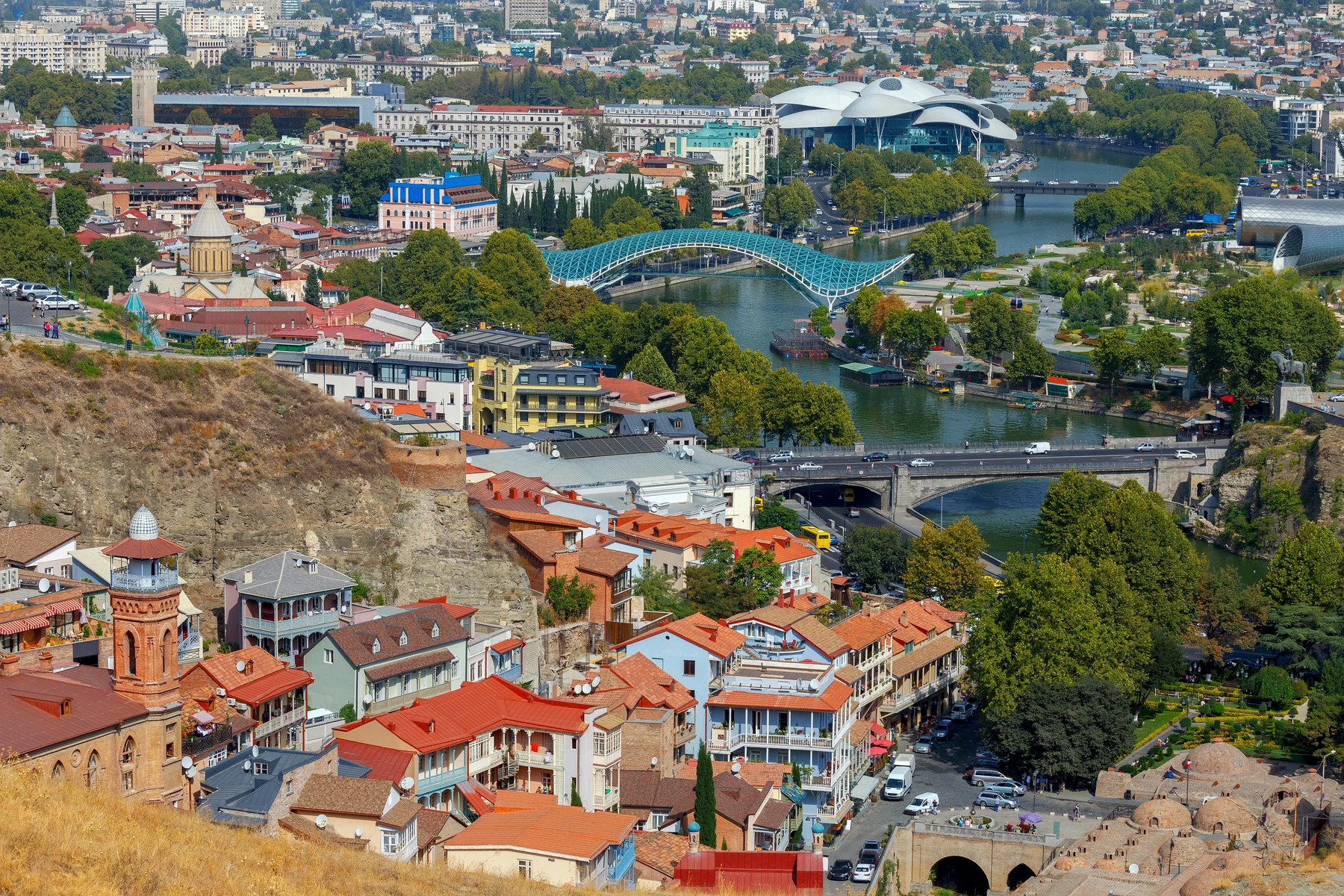


Tbilisi: Housing market grew in both transactions and market value


🏡 This dynamic points to a recovery in buyer activity and continued liquidity in Georgia’s capital. The fact that market value is growing faster than the number of transactions is especially important. It suggests that the average transaction size is increasing, while demand is shifting toward more expensive or higher-quality properties.
Growth was visible in both new-build and secondary segments. According to Colliers Georgia, sales in new projects increased by 14.6% year on year. In the primary segment, sales rose by 10.7%, while secondary transactions involving units in new projects increased by 20.4%. Sales of older housing stock grew by 6.2%.
📊 What matters for investors:
— Tbilisi is growing not only because of prices, but also because of the number of transactions;
— new-build projects remain one of the key market drivers;
— the secondary market for units in new projects is becoming more liquid;
— demand in the capital is mainly supported by local buyers, not only by foreigners.
The structure of demand is also worth noting. Foreign citizens accounted for 10.7% of April transactions in Tbilisi. This is higher than around five years ago, when their share was approximately 6%, but still significantly lower than in Batumi.
📍 The strongest demand remains in Saburtalo, Didi Digomi, and Samgori. At the same time, Vake and Mtatsminda remain the most expensive and sought-after locations. This confirms the familiar market structure: mass demand is concentrated in districts with larger supply, while the premium segment remains anchored in central and high-status areas.
⏱️ The key takeaway: Tbilisi’s housing market entered the second quarter of 2026 with strong momentum. For buyers, this means more active competition for liquid properties. For investors, it confirms that Georgia’s capital remains one of the most resilient smaller markets in the region.
🔎 You can explore properties in Tbilisi for investment or living on our website.
Posted at:
20/05/2026, 08:59


