














Thailand’s economy grew in the first quarter of 2026


🏭 In March, economic activity in the country remained broadly stable compared with February. Exports, manufacturing output, and government spending had a positive impact. Thailand’s manufacturing production index rose by 0.75% year-on-year in March, while analysts had expected a 1% decline. Growth was supported by oil refining and the automotive industry.
📊 Key figures:
— Thailand’s economy grew in the first quarter of 2026;
— in the fourth quarter of 2025, growth stood at 2.5% year-on-year and 1.9% quarter-on-quarter;
— manufacturing production increased by 0.75% year-on-year in March;
— the Bank of Thailand forecasts GDP growth of 1.5% in 2026;
— the inflation forecast for 2026 is 2.9%.
🏝 This is especially relevant for the real estate market, as Thailand remains one of Asia’s most active destinations for foreign property buyers. Housing demand is shaped by several groups at once: local buyers, rental investors, foreigners considering seasonal residence, and those purchasing property for long-term living.
📍 The most popular locations for international buyers remain:
— Phuket
— Bangkok
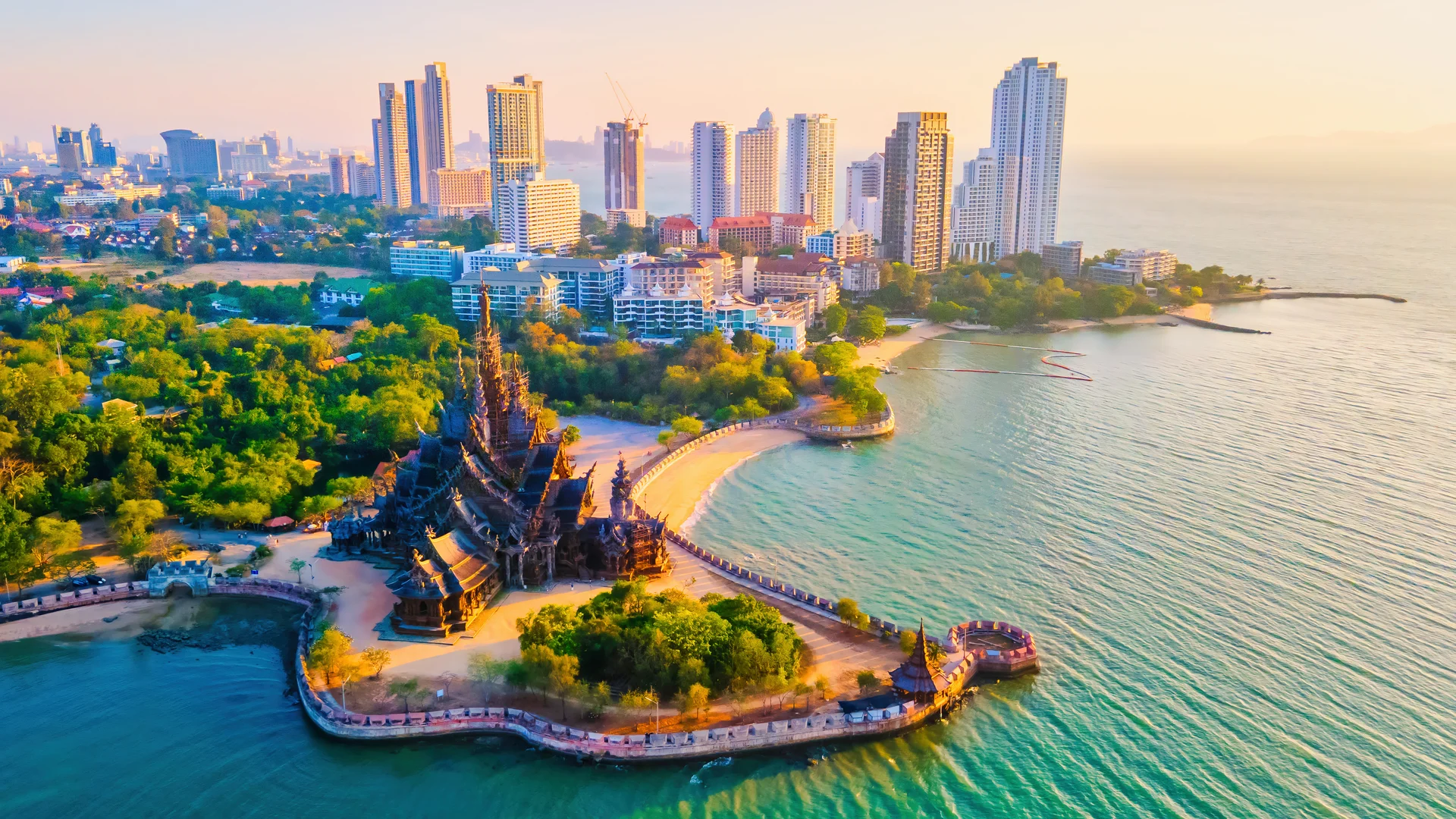
— Pattaya
— Koh Samui
— Chiang Mai
🏡 In these regions, the country’s economic stability directly affects the housing market. In Bangkok, demand is supported by business activity and the domestic market. In Phuket, Koh Samui, and Pattaya, tourism, short-term rentals, and foreign buyers play a key role. As a result, even moderate economic growth can strengthen interest in apartments, villas, and rental properties.
⚠️ At the same time, the Bank of Thailand warned about the risk of slower growth. The economy has already started to feel the impact of the conflict in the Middle East: exports to the region declined, foreign tourist inflows weakened, and energy and transport costs increased. For developers, this may mean higher construction costs. For buyers, it may increase competition for quality properties in popular locations.
📌 The main takeaway for investors is that Thailand’s economy continues to grow, but the market is entering a more cautious phase. In this environment, the strongest locations are those with stable rental demand, developed infrastructure, and limited supply of quality real estate.
🔎 You can explore available property options in Thailand for living or investment on our website.
Posted at:
14/05/2026, 12:00


