













Croatia: Fewer transactions, but property prices continue to rise


📊 Overall, around 117,000 real estate transactions were registered during the latest reporting period, about 13% fewer than a year earlier. This points to a clear cooling in buyer activity, but not to a market reversal toward lower prices. The main reason is that new supply remains insufficient.
📈 Key market figures:
— around 117,000 real estate transactions during the reporting period;
— transaction volume down by about 13% year-on-year;
— activity fell by up to 20% in some periods;
— foreign buyers accounted for about 30% of residential property purchases;
— apartments accounted for about 45% of the total transaction value.
🏗 The supply problem remains structural. According to market participants, new construction is constrained by urban planning rules, lengthy project preparation, and permitting procedures. As a result, the market is not receiving enough new properties, even as some buyers become more cautious. This continues to keep prices at elevated levels.
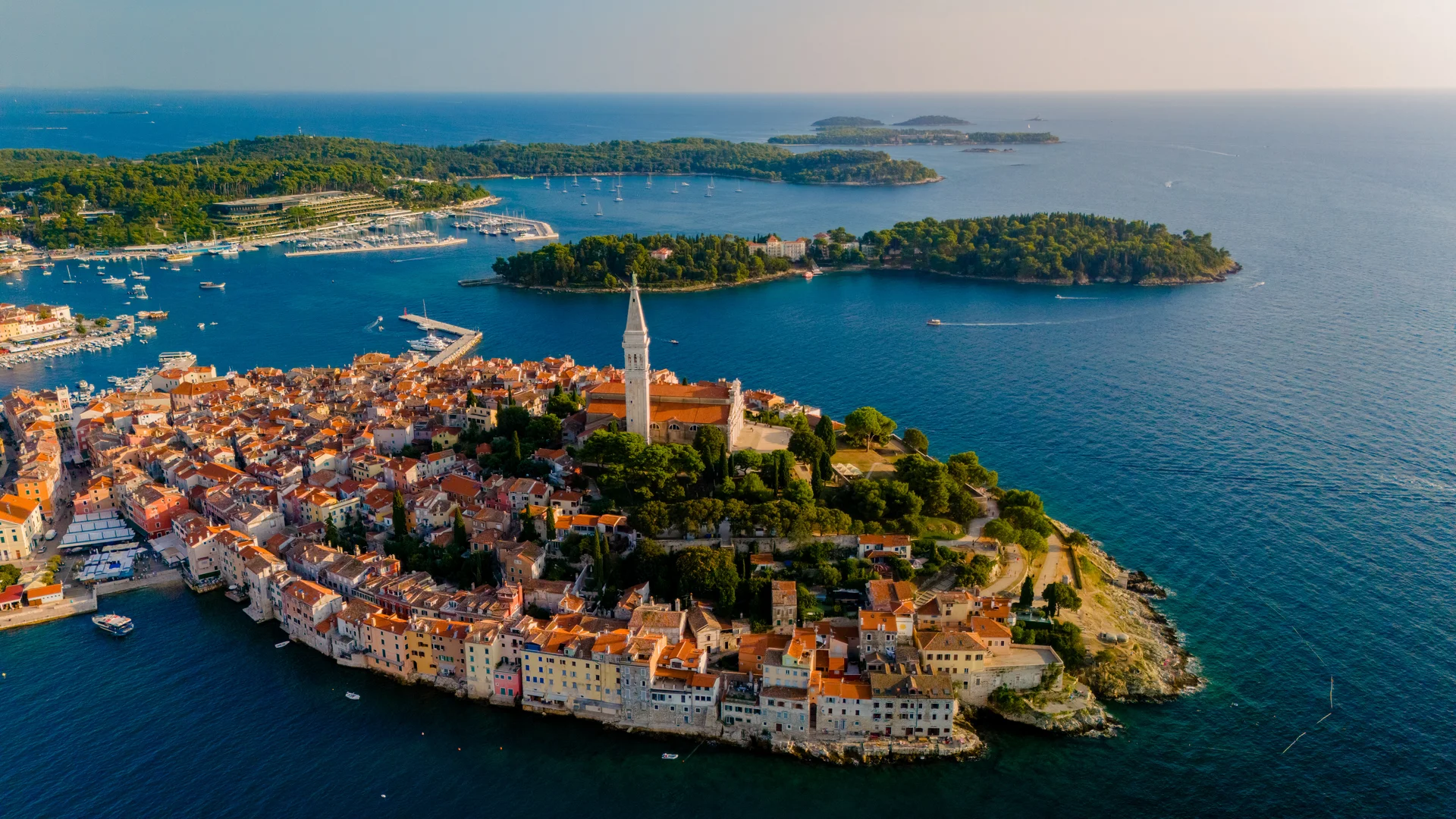
🌊 The regional picture differs significantly. The sharpest decline in activity was recorded in Istria. In Primorje-Gorski Kotar County, which includes popular coastal locations, the slowdown was more moderate. At the same time, activity increased in some areas, including Split-Dalmatia County.
🏡 This shows that Croatia’s property market cannot be assessed as a single uniform market. Inland regions, coastal areas, islands, and Zagreb all follow different dynamics. In locations where demand is supported by tourism, rental income, and foreign buyers, prices remain more resilient. In areas where purchases depend mainly on local incomes, affordability pressure is more visible.
🌍 Foreign buyers remain an important market factor. Last year, they accounted for about 30% of residential property purchases in Croatia. Demand traditionally came mainly from Slovenia, Germany, and Austria. However, activity among these buyers has weakened, partly due to economic pressure in several European countries.
⚖️ For buyers, this means that fewer transactions do not automatically lead to lower prices. In Croatia, the market follows a different logic: when supply is limited and quality properties in coastal regions remain scarce, sellers can retain strong positions even when demand becomes more cautious.
📌 This is especially relevant for properties in locations with several sources of demand:
— holiday home purchases;
— rental income;
— seasonal living;
— long-term ownership in a coastal region;
— interest from buyers in neighboring EU countries.
🏝 In 2026, Croatia remains a market where location matters more than headline transaction statistics. A decline in activity in one county can coexist with rising demand in another, while limited supply is likely to continue supporting prices for the most sought-after properties.
🔎 You can explore available properties in Croatia for living, holidays, or investment on our website.
Posted at:
13/05/2026, 11:53


