











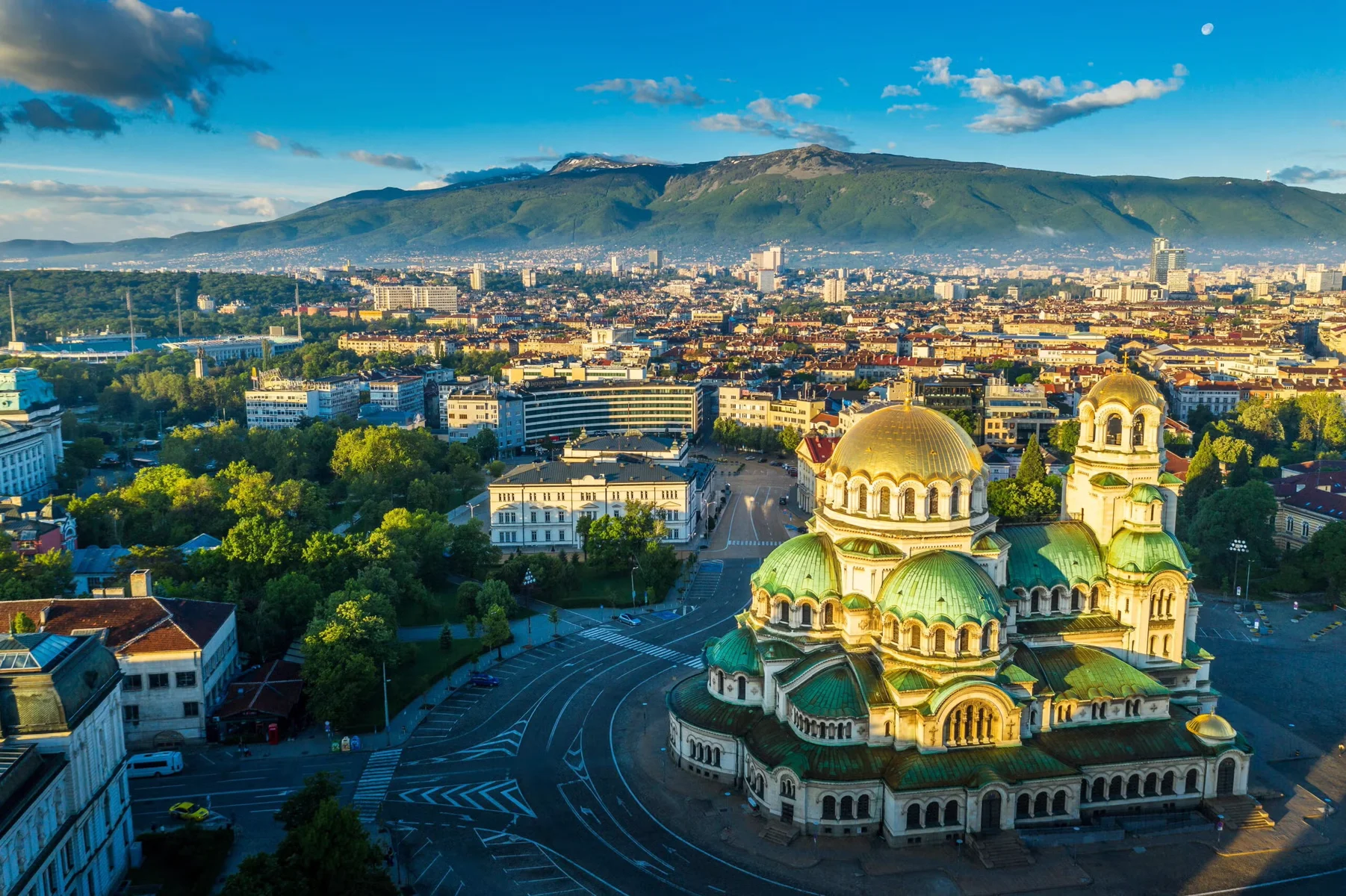

Bulgaria’s real estate market stabilizes after euro adoption


📊 This is an important shift for the market. In 2025, expectations around euro adoption were already fueling demand. Some buyers tried to purchase property before the final currency transition, expecting further price growth and stronger liquidity. Now that the euro has been introduced, the market is beginning to move away from emotionally driven demand toward a more rational decision-making model.
🏡 According to analysts, buyers are now paying closer attention not only to price, but also to property quality. Location, construction standards, local infrastructure, and long-term value are becoming increasingly important. Sellers are also adapting to the new environment: they are more likely to set realistic starting prices and show greater flexibility in negotiations.
📈 The broader context is important. Bulgaria’s housing market has gone through a strong growth cycle. According to Eurostat data cited by Novinite, housing prices in Bulgaria increased by 157% from 2015 to the end of 2025. This was one of the strongest increases in the EU over the decade. For comparison, housing prices across the European Union rose by 64.9% over the same period.
📍 In 2025, price growth was especially noticeable in major cities. According to ADDRESS Real Estate, also cited by Novinite, prices in Sofia, Plovdiv, Varna, and Burgas increased by 15–20%. This helps explain why the market did not collapse after euro adoption, but rather entered a normalization phase. A significant part of the expected euro effect had already been priced in beforehand.
🏗 Demand remains concentrated mainly in the residential segment. According to Arco Real Estate, residential properties account for 92% of all buyer inquiries. Three-room apartments are the most sought-after category, generating 57% of interest, followed by two-room apartments with a 28% share. One-room apartments continue to attract stable demand from investors, while garages and storage units remain highly sought after in cities due to the chronic shortage of parking spaces.
📌 The current demand structure looks as follows:
— residential real estate: 92% of buyer inquiries;
— three-room apartments: 57% of interest;
— two-room apartments: 28%;
— one-room apartments: stable investment demand;
— garages and storage units: high urban demand due to parking shortages.
🏦 The mortgage market also remains stable. According to the Registry Agency, 13,706 mortgages were registered in Bulgaria in Q1 2026, almost the same number as in the same period last year. This shows that bank financing continues to support the market, even if transactions are taking longer to close.
🌊 Geographically, Sofia remains the main center of activity, while regional cities and the Black Sea coast are showing a more noticeable slowdown after a period of strong investment demand. This makes the market more selective: quality properties in strong locations continue to attract buyers, while less liquid listings increasingly require more flexible pricing.
📊 As a result, Bulgaria is not entering a phase of sharp decline, but rather a phase of healthier balance between buyers and sellers. For investors, this means that the previous logic of buying mainly because of euro adoption expectations has weakened. Fundamental property factors are now becoming more important: location, construction quality, transport accessibility, liquidity, and rental potential.
🔎 You can explore available properties in Bulgaria for living or investment on our website.
Posted at:
28/04/2026, 10:26


