











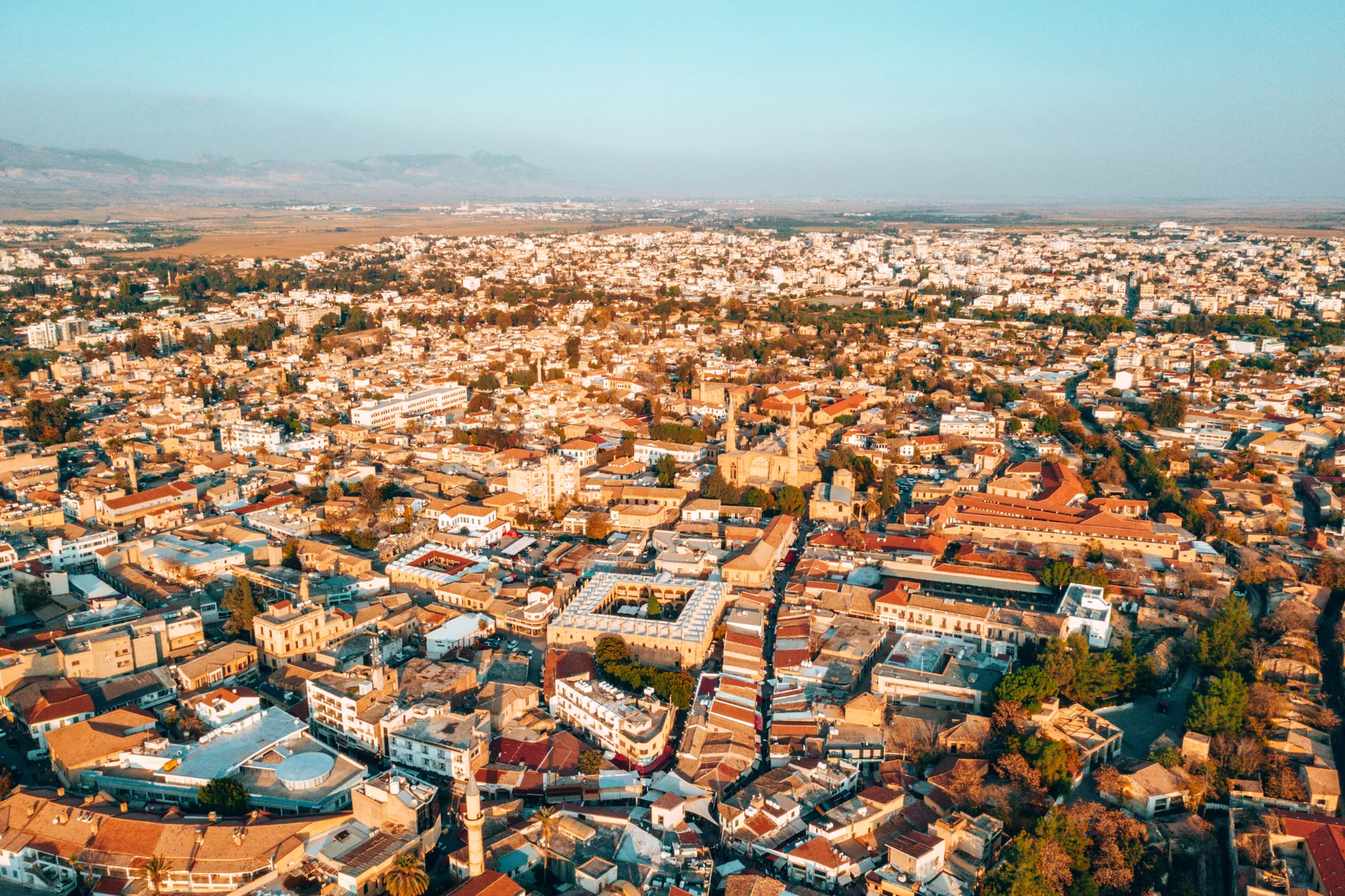

Nicosia recorded the highest growth in construction activity on the island


Nicosia has started to strengthen its position as an independent development hub, while Cyprus had previously been associated mainly with coastal locations, especially Limassol, Paphos, and Larnaca.
📊 From January to October 2025, 6,490 building permits were issued in Cyprus, compared with 5,955 in the same period of 2024. The total value of these permits increased from €2.5 billion to €3.2 billion. Together with Limassol, the capital now accounts for 34% of the total licensed development area in Cyprus. Historically, the island’s investment and construction focus had been concentrated along the coast, but Nicosia is now establishing itself as a полноценный center of new supply despite having no access to the sea.
🏘️ The key driver behind this growth is residential property. According to the review, 84% of new licensed projects in Cyprus belong to the residential segment. The acceleration of construction activity in the capital is therefore linked directly to expanding housing supply.
📍 By comparison, the dynamics in other districts were more moderate. Limassol recorded a 35% increase in licensed area, Larnaca accounted for 19% of the island’s total licensed development area, while Famagusta was the only district to post a decline, with activity falling by 15%, mainly due to a high base effect from the previous year.
The latest PwC report also points to a strong overall year for the Cypriot real estate market. The total value of real estate transactions on the island reached a record €6.5 billion, which was 8% higher than in 2024, while the number of transactions increased to 25,600. Residential property remained the leading segment, totaling €4.5 billion, or 69% of the total market value. In other words, Nicosia’s construction growth is taking place against the backdrop of a strong sales market rather than weak demand.
Another important factor is the structure of demand. In 2025, demand from foreign buyers in Cyprus increased by 16% year on year, although most of that growth was driven by Paphos, Larnaca, and Limassol. This suggests that Nicosia’s construction acceleration is currently tied more to domestic urban and residential demand than solely to traditional foreign investment interest in coastal markets. That is why the news from the capital can be seen as a sign of more balanced development across the Cypriot property market.
💼 For investors and market participants, this development has several implications. First, Nicosia is no longer a secondary market compared with resort cities and is becoming a full-scale destination for new development. Second, rising permit activity usually signals an increase in supply in the coming quarters. Third, the dominance of the residential segment suggests that apartments and urban housing projects are likely to remain the main direction of development.
🔎 From an investment strategy perspective, this makes Nicosia especially relevant for those looking not only at resort or tourist property, but also at more stable urban formats. You can explore current property opportunities in Cyprus on our website.
Posted at:
23/04/2026, 11:53


