











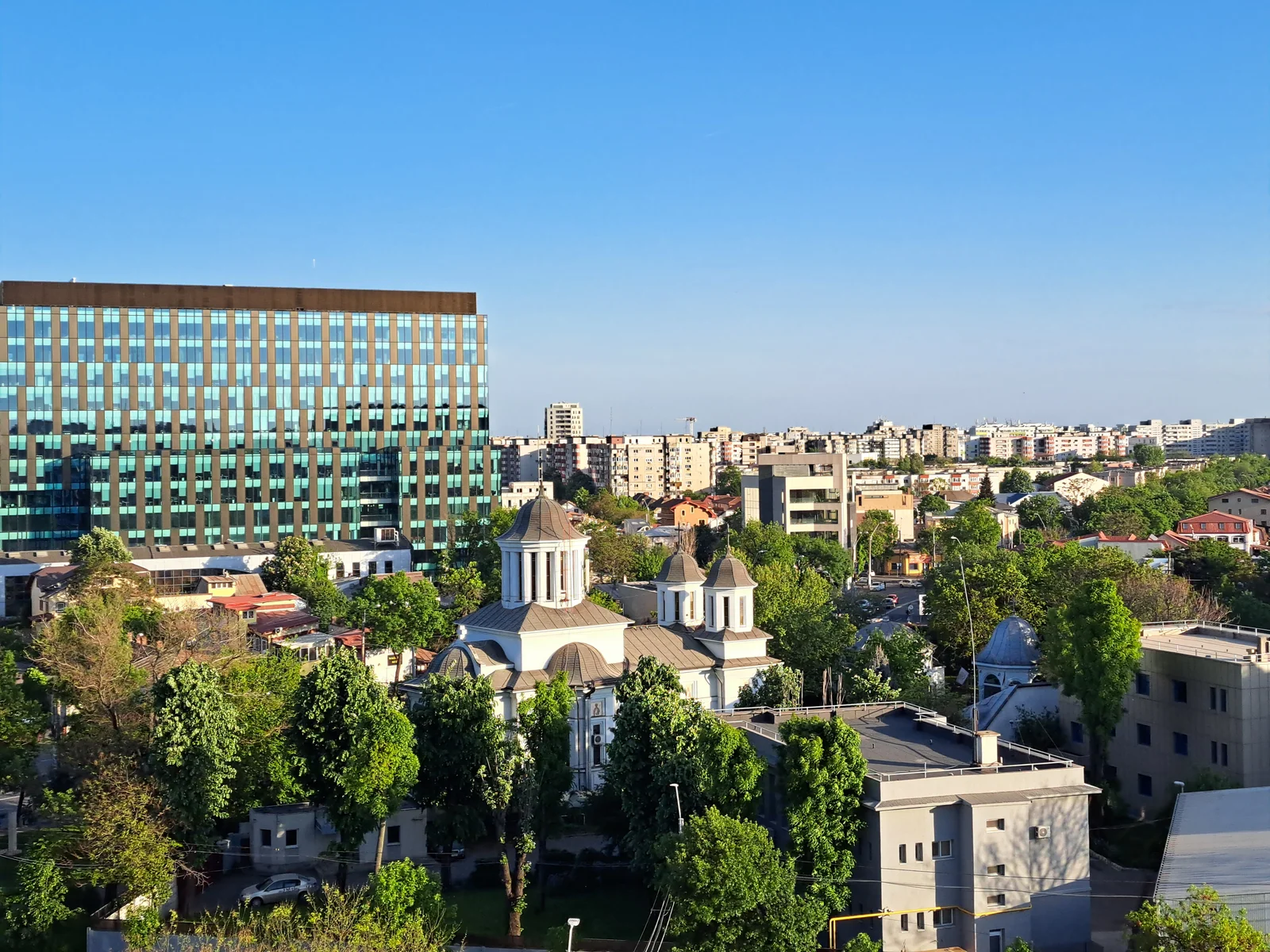


Housing price growth in Romania accelerates to 8–10%


📊 The average property price continues to rise amid limited supply and устойчивый спрос. The strongest dynamics are observed in:
— Bucharest: around 8–9% year-on-year growth, particularly in the new-build segment
— Cluj-Napoca: up to 10–12%, remaining the most expensive market in the country
— Timișoara and Iași: 7–9%, with acceleration in new developments
The national average price is now in the range of €1,600–1,800 per m², while in Cluj-Napoca it consistently exceeds €2,500 per m², approaching levels seen in Central European cities.
📈 The acceleration in prices in 2025–2026 is driven by a combination of structural factors.
— Limited supply. The volume of new housing completions remains below demand. In 2024, the number of building permits declined by approximately 5–7%, directly contributing to the current shortage of new properties.
— Rising construction costs. The cost of materials and labor has increased by 15–20% over the past two years, setting a higher baseline for new developments.
— Recovery of mortgage demand. As inflation stabilized in 2025, banks resumed more active lending. The volume of new mortgage issuance grew by around 10–15% year-on-year.
— Urbanization. Demand is increasingly concentrated in major cities. Cluj-Napoca, Bucharest, and Iași continue to attract professionals, particularly in the IT sector, putting additional pressure on the housing market.
🏗 The market is also characterized by a widening price gap between new developments and the secondary market.
— new-build properties are on average 20–30% more expensive than resale housing
— in central locations, the gap can reach up to 35%
— part of demand is shifting toward the secondary market due to a lower entry price
At the same time, new developments maintain high liquidity thanks to construction quality and modern housing standards.
🌍 Romania is strengthening its position as a regional hub for IT and outsourcing. International companies continue to enter the market, creating additional demand for housing in business centers.
Additional demand drivers include:
— relocation of professionals from Eastern Europe
— growth in remote work
— expansion of hiring in the technology sector
📉 Unlike several Western European markets where demand is constrained by high interest rates, Romania’s demand structure remains relatively resilient.
— a significant share of transactions is completed without mortgages
— prices remain below the EU average
— there is still convergence potential with Central European markets
📊 Limited supply, rising construction costs, and demand concentration in major cities are forming a stable foundation for the current price dynamics.
🔎 You can explore current property listings in Romania on our website.
Posted at:
20/03/2026, 10:10


