











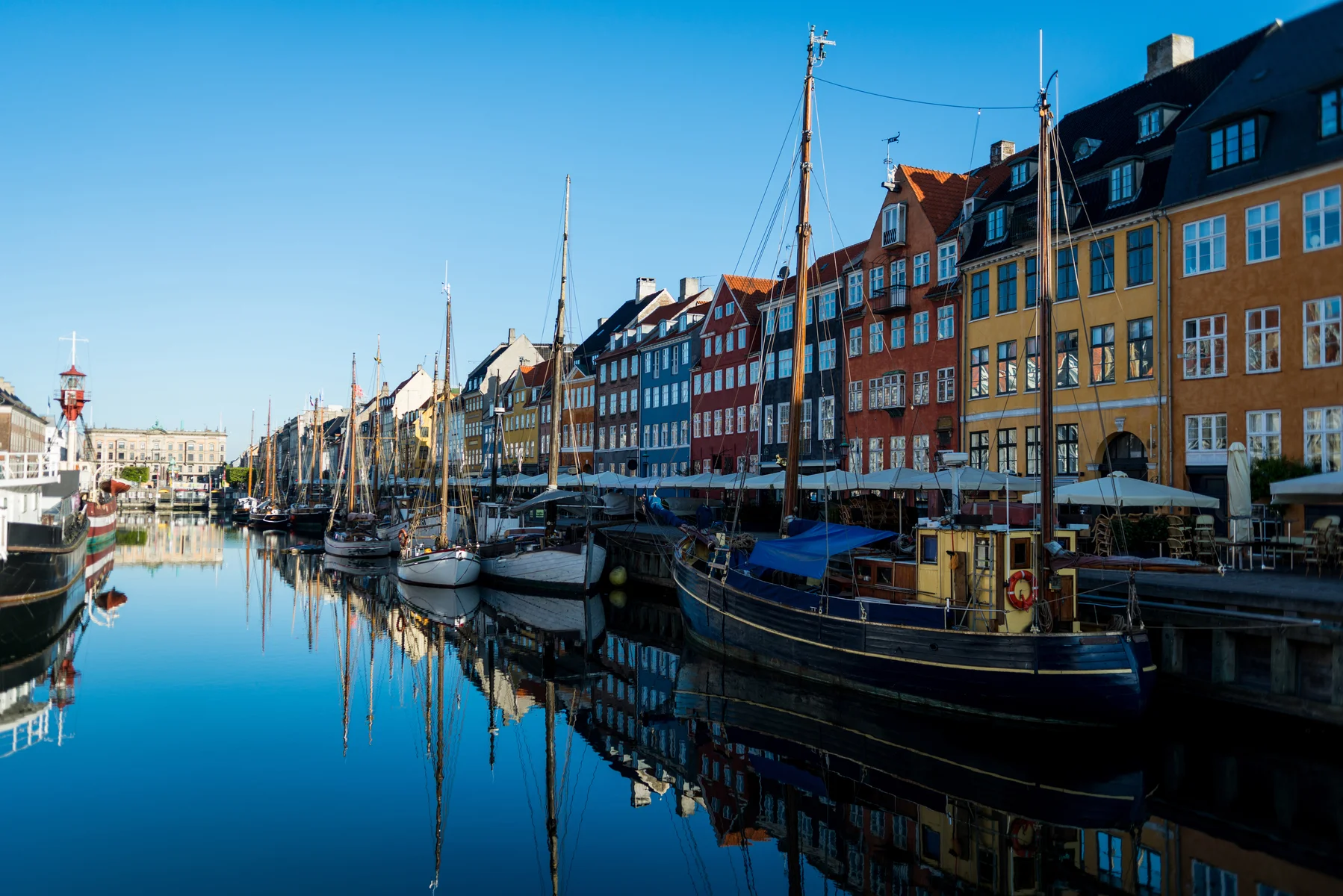


Residential real estate investment in Denmark increased by 31%


In practical terms, this means that more than half of all investment capital is now directed into residential assets.
🏡 This growth reflects a change in investor behavior. Against the backdrop of instability in the commercial property sector and rising borrowing costs, residential real estate is increasingly perceived as a more reliable and predictable asset.
📈 Why investors are choosing residential property
The shift toward housing is driven by several factors:
— stable rental demand, especially in major cities;
— limited supply of new housing;
— more predictable income compared to office and retail properties;
— ongoing urban population growth.
In Copenhagen, which remains the country’s key market, vacancy rates in the residential sector are traditionally low, further supporting investor interest.
🏙 What is happening in other segments
At the same time, activity in the office and retail sectors is declining. Higher financing costs and changes in working patterns are reducing demand for these types of properties.
As a result, residential real estate is becoming the primary destination for investment capital.
📊 How the market structure has changed
The current structure of investments can be summarized as follows:
— residential: around 51% of all transactions;
— commercial real estate: declining share;
— specialized segments such as logistics and data centers are growing but remain relatively limited in scale.
This indicates a broader reallocation of capital toward more stable asset classes.
🌍 Why this matters
Denmark is considered one of the most stable real estate markets in Europe due to its transparent regulations and low risk profile. The growing share of residential investment reinforces this position.
For investors, this means:
— increased competition for high-quality assets;
— gradual price growth in prime locations;
— declining yields as demand rises.
📈 Practical implications
An increase in residential investment typically leads to several outcomes:
— rising property prices;
— higher rental rates in major cities;
— reduced availability of properties;
— a shift toward long-term investment strategies.
🏡 As a result, Denmark’s real estate market is increasingly focused on the residential segment, which is becoming the primary investment direction. A wide range of properties for living and investment is available on our website.
Posted at:
20/03/2026, 09:59


