












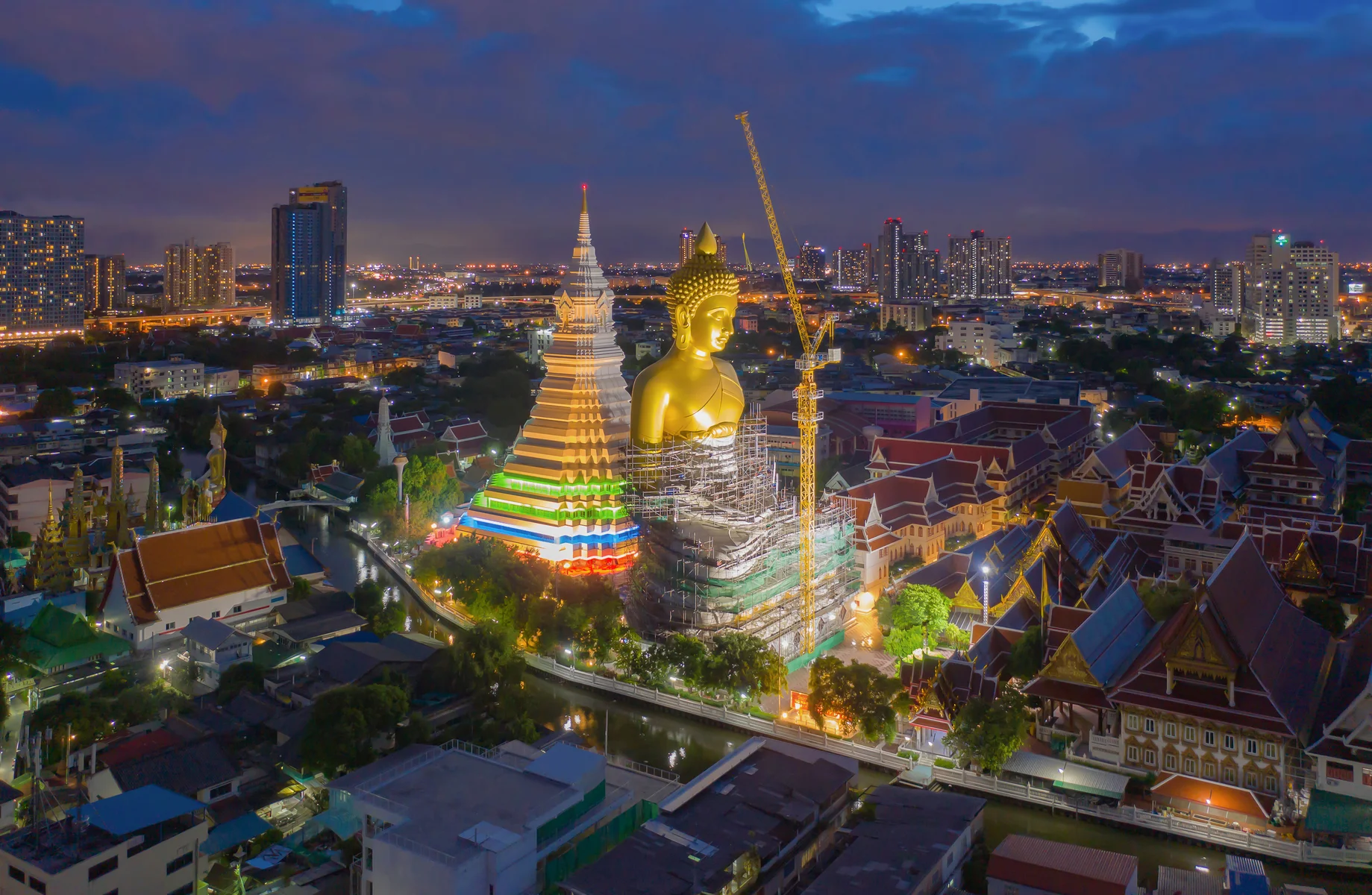


Thailand discusses a long-term visa program through real estate investment


📜 This initiative is viewed as part of a broader strategy to attract international capital and stimulate the real estate market, particularly in major cities and tourist regions.
How the 3 million baht investment scheme works:
— minimum real estate investment: 3 million baht;
— the purchase may include a condominium or a long-term property lease;
— visa processing is carried out through the Thailand Longstay Service program;
— the initial stay permit usually lasts around 90 days;
— after that, it can be extended for 12–15 months with annual renewals.
In practice, the program functions as a long-term visa pathway linked to property investment.
🏡 The legal structure of property ownership in Thailand differs from many European markets. Foreigners can directly own condominiums, provided they fall within the foreign ownership quota. However, land cannot be directly owned by foreigners, which is why houses and villas are usually structured through long-term land leases. Another important requirement concerns the ownership structure of the seller. The property must belong to a Thai citizen or a company with a Thai majority shareholding (at least 51%).
Foreign demand in Thailand traditionally concentrates in major cities and resort destinations:
— Phuket;
— Bangkok;
— Pattaya.
In these locations, foreign buyers most commonly purchase:
— condominiums;
— villas;
— investment properties for rental income.
📊 The 3 million baht investment threshold is relatively low by international standards. For comparison, property investment programs in other countries require significantly higher budgets. In Greece, real estate must cost at least €250,000, while in the UAE the threshold starts at 2 million dirhams (about $545,000). Because of this, the Thai scheme could become one of the most accessible long-term residency models through real estate investment.
📈 If the program develops further and receives full government support, it could lead to several market effects:
— increased foreign demand for property;
— more investment in condominiums in tourist regions;
— higher liquidity for properties in popular locations;
— rising housing prices in resort areas.
Similar programs have already had a strong impact on property markets in countries such as the UAE, Greece, and Turkey.
🔎 You can explore real estate in Thailand for investment, living, or rental purposes on our website. The platform features apartments, villas, and investment projects in popular regions, including Phuket, Bangkok, and Pattaya.
Posted at:
13/03/2026, 07:23


