











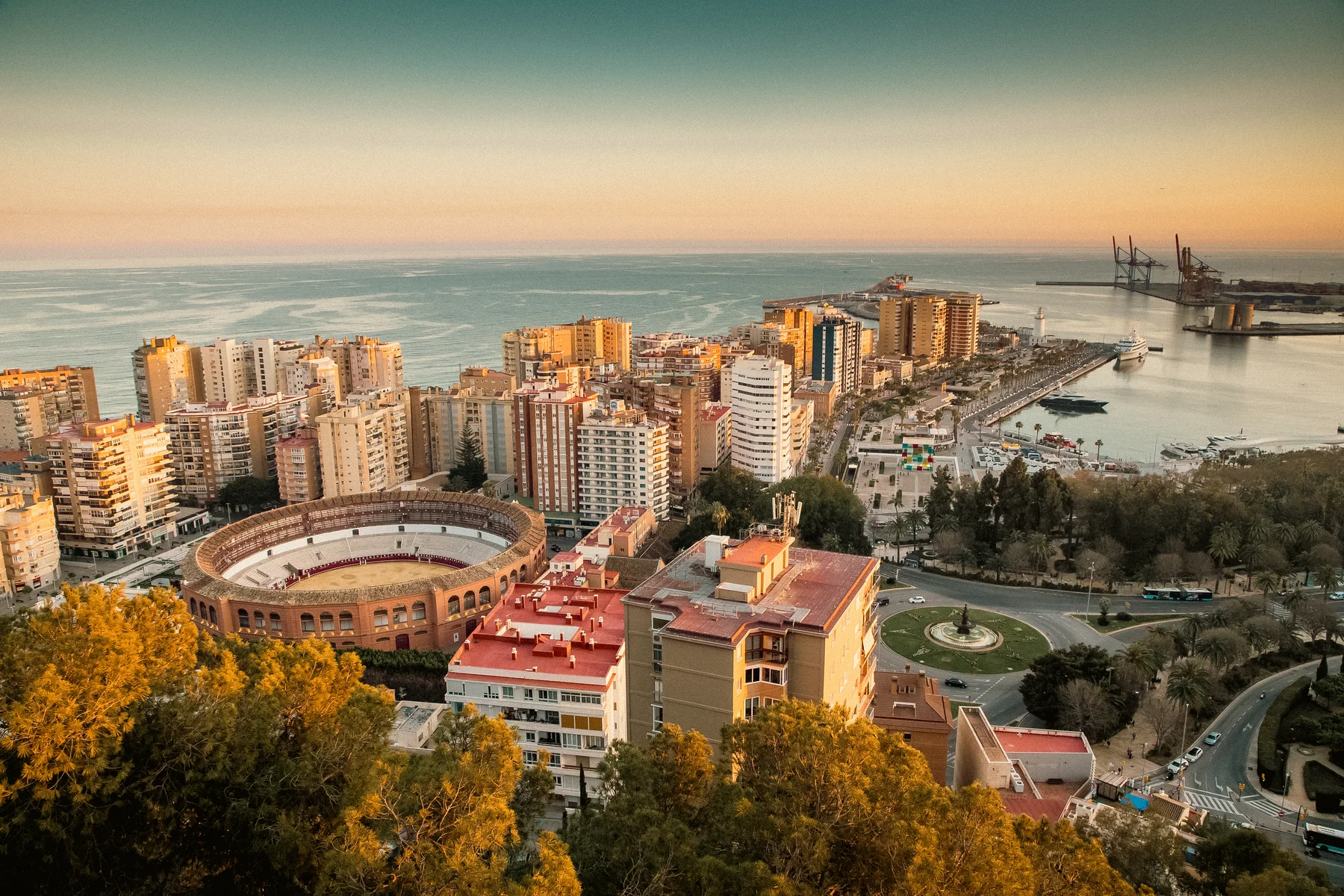

Housing demand in Spain is rising amid the influx of remote workers


According to recent data from Spain’s National Statistics Institute, the number of overnight stays in January 2026 increased by 3.6% year-on-year. The strongest growth was recorded in rural accommodation, where stays rose by 24%, while apartment stays increased by 2.4%.
📜 The rising interest in Spain is also supported by migration infrastructure. Spanish consular services indicate that foreigners already present in the country can apply for a residence permit for international remote work without first obtaining a separate visa.
An additional incentive comes from the tax system. Some applicants under the Digital Nomad Visa can benefit from a special tax regime known as the Beckham Law. Under this regime, a flat tax rate of 24% applies to employment income in Spain of up to €600,000 per year for up to six years. In practice, this makes Spain particularly attractive to high-income professionals choosing between Southern Europe, the UAE, and other relocation destinations.
🌍 The strongest interest from remote workers is concentrated in:
— Málaga and the Costa del Sol
— Valencia
— Barcelona
— the Canary Islands
— Alicante
— Madrid
Remote professionals typically look for apartments suitable for both living and working. As a result, demand is growing for properties with a dedicated home-office space, reliable high-speed internet infrastructure, terraces, and locations outside traditional tourist centers.
📈 For the real estate market, this trend leads to several effects:
— increased demand for long-term rentals in major cities and coastal regions;
— properties in highly sought-after locations selling more quickly;
— some long-term tenants eventually moving into the property purchase segment if they plan to stay in Spain for several years;
— demand shifting toward high-quality resale properties and modern residential complexes suitable for permanent living.
In the past, international interest in Spain was largely driven by retirees, seasonal buyers, and investors purchasing second homes. Today, an increasing share of demand comes from professionals relocating for one to three years or longer. For the real estate market, this represents a more stable type of demand because it supports both the rental sector and subsequent property purchases.
🔎 If you are considering Spain for relocation, coastal living, or property investment, you can explore real estate options in Málaga, Valencia, Barcelona, Alicante, Madrid, and the Canary Islands on our website and find a property that matches your budget and goals.
Posted at:
12/03/2026, 10:42


