











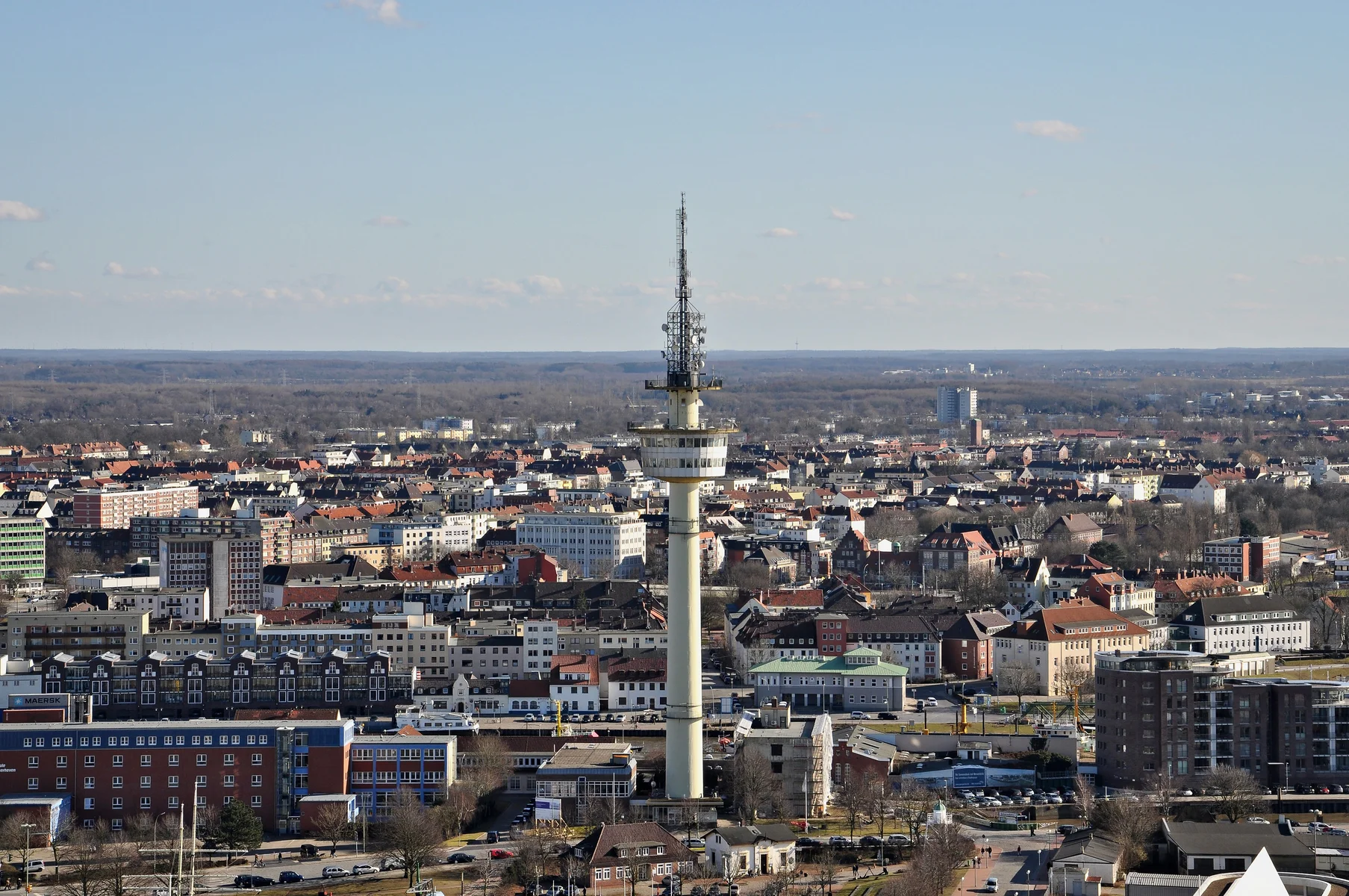


Rising housing prices and rents in Germany


📉 This forecast is significant because the market recently experienced its steepest decline in decades. In 2023, housing prices in Germany fell by around 8.4%, marking the largest annual drop since official records began in 2000. Against this background, current expectations suggest stabilization and gradual recovery, rather than another sharp surge in prices.
The strongest pressure is currently visible in the rental market, particularly in large cities. This primarily includes:
— Berlin
— Munich
— Hamburg
— Frankfurt
— Cologne
In these cities, housing demand significantly exceeds supply, which continues to push rental prices higher.
🏠 Germany is particularly sensitive to housing shortages because a large share of the population rents rather than owns their homes. According to Destatis, about 52.8% of Germany’s population lives in rented accommodation, one of the highest rates in Europe.
One of the main reasons behind rising rents is the lack of new construction. In 2024, about 251,900 new apartments were completed in Germany, far below the government’s official target of 400,000 homes per year. Even though building permits showed a slight recovery in 2025, the overall supply still does not meet demand.
📊 As a result, the market is currently shaped by several key factors:
— housing prices are gradually recovering after the previous decline;
— rents are rising faster than purchase prices;
— housing shortages in major cities persist;
— construction activity still lags behind demand.
In a situation where rental rates are increasing faster than property prices, some investors consider purchasing apartments as a long-term strategy for rental income.
🔎 Suitable properties in Germany — whether for personal residence or for rental investment — can be found on our website.
Posted at:
10/03/2026, 07:51


