












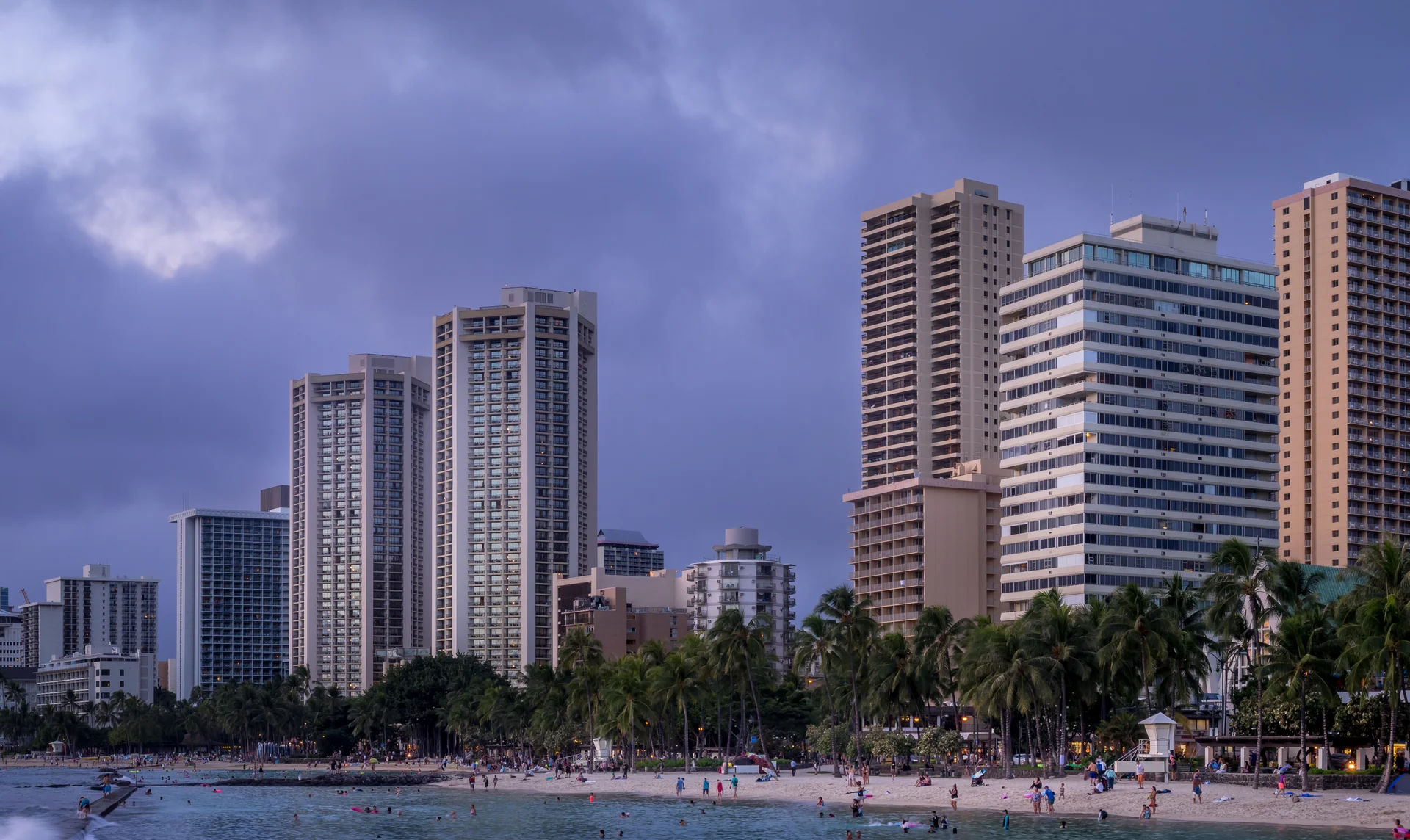


Discussions on easing restrictions on foreign property ownership in the Philippines


📜 At present, property ownership rules for foreigners in the Philippines remain among the strictest in the region. The main limitation is embedded in the country’s Constitution: foreign citizens are not allowed to own land. However, foreigners are permitted to purchase units in condominium developments, provided that ownership distribution rules within a project are respected.
The current ownership framework is structured as follows:
— foreigners may purchase condominium units as long as no more than 40% of the units in a building are owned by foreign buyers
— land and detached houses may be used through long-term leases of up to 50 years with a possible extension of an additional 25 years
— development projects with foreign capital must maintain at least 60% local ownership.
This structure primarily limits foreign participation in the villa, resort property, and land segments, where international investor demand is typically the strongest.
📊 Despite these restrictions, the Philippine real estate market remains active. According to the Philippine Statistics Authority, tens of thousands of new residential units are completed in major cities each year. The metropolitan region of Metro Manila, with a population exceeding 13 million people, represents one of the largest housing markets in Southeast Asia.
At the same time, property prices remain relatively affordable compared with other regional hubs. According to industry reports from real estate consultancies:
— the average price of condominium units in Metro Manila is approximately $2,500–3,500 per m²
— in Makati and Bonifacio Global City, premium developments can reach $4,000–5,000 per m²
— in tourist regions such as Cebu and Boracay, new resort projects are typically priced between $2,000 and $3,000 per m².
🌏 These figures help explain the growing interest from international investors. According to the Bangko Sentral ng Pilipinas, the real estate sector consistently ranks among the country’s largest recipients of foreign investment. Development projects continue to expand in both major cities and tourist destinations, targeting demand from local buyers as well as overseas investors.
The most active property markets in the Philippines currently include:
— Metro Manila, the country’s main business hub with the largest condominium market
— Makati and Bonifacio Global City, which represent the premium segment and international business districts
— Cebu, one of the country’s leading tourism and commercial centers
— Davao, a rapidly developing city in the south
— Boracay and Palawan, resort markets with a high concentration of tourism-related real estate investments.
📈 A potential liberalization of ownership rules could significantly reshape the market structure. In Southeast Asia, easing restrictions on foreign buyers typically leads to several effects:
— increased foreign direct investment in development projects
— a rise in transactions within the resort property segment
— accelerated construction of residential complexes and tourism infrastructure
— higher property prices in key cities and resort regions.
For comparison, in countries with more flexible property ownership rules, such as Thailand and Malaysia, foreign demand plays a significant role in the expansion of resort markets and the development of new residential projects.
🏡 If the proposed changes are adopted, the Philippine real estate market could become one of the most dynamic investment destinations in the region. You can explore available property options in the Philippines for investment or living on our website.
Posted at:
09/03/2026, 07:51


