














How Bulgaria’s Transition to the Euro Is Affecting the Real Estate Market


💱 At the same time, the Bulgarian lev had been pegged to the euro for many years under a currency board arrangement. For this reason, the introduction of the euro did not trigger an abrupt change in property prices. The main effect of the currency transition is the reduction of transaction costs for investors from EU countries.
Industry market reviews and analytical commentary from major brokerage firms indicate that in the first months of 2026 the market has maintained a moderate price dynamic:
— Sofia: approximately €2,200–2,400 per m²
— Varna: around €1,700–2,000 per m²
— Burgas: approximately €1,600–1,900 per m²
📈 Industry forecasts for 2026 expect residential property prices to grow by roughly 5–10% year-on-year, and market participants confirm that price growth at the beginning of 2026 remains within this range.
At the same time, analytical commentary from industry companies points to growing interest in the Bulgarian market following the adoption of the euro. However, this interest is currently described as an initial market assessment stage. In practice, this is reflected in the following activities:
— comparing property prices and yields in Bulgaria with alternative markets within the European Union
— analysing the legal structure of transactions and property due diligence procedures
— evaluating operating costs and potential rental income
— reviewing mortgage financing conditions in euros
📉 Under these conditions, the market appears to be in a phase where demand is beginning to build faster than prices are adjusting. Periods like this are often viewed by investors as an early stage of an investment cycle, when the market has already received an institutional growth driver but the price effect has not yet been fully realised.
However, several market analyses suggest that the impact of the euro transition will unfold gradually, and that more visible activity from foreign investors—as well as stronger price growth—may become apparent during 2026–2027.
🏢 For those considering Bulgaria as a real estate investment destination, the current period may represent an opportunity to enter the market before foreign buyer activity begins to more noticeably influence both transaction structures and price dynamics.
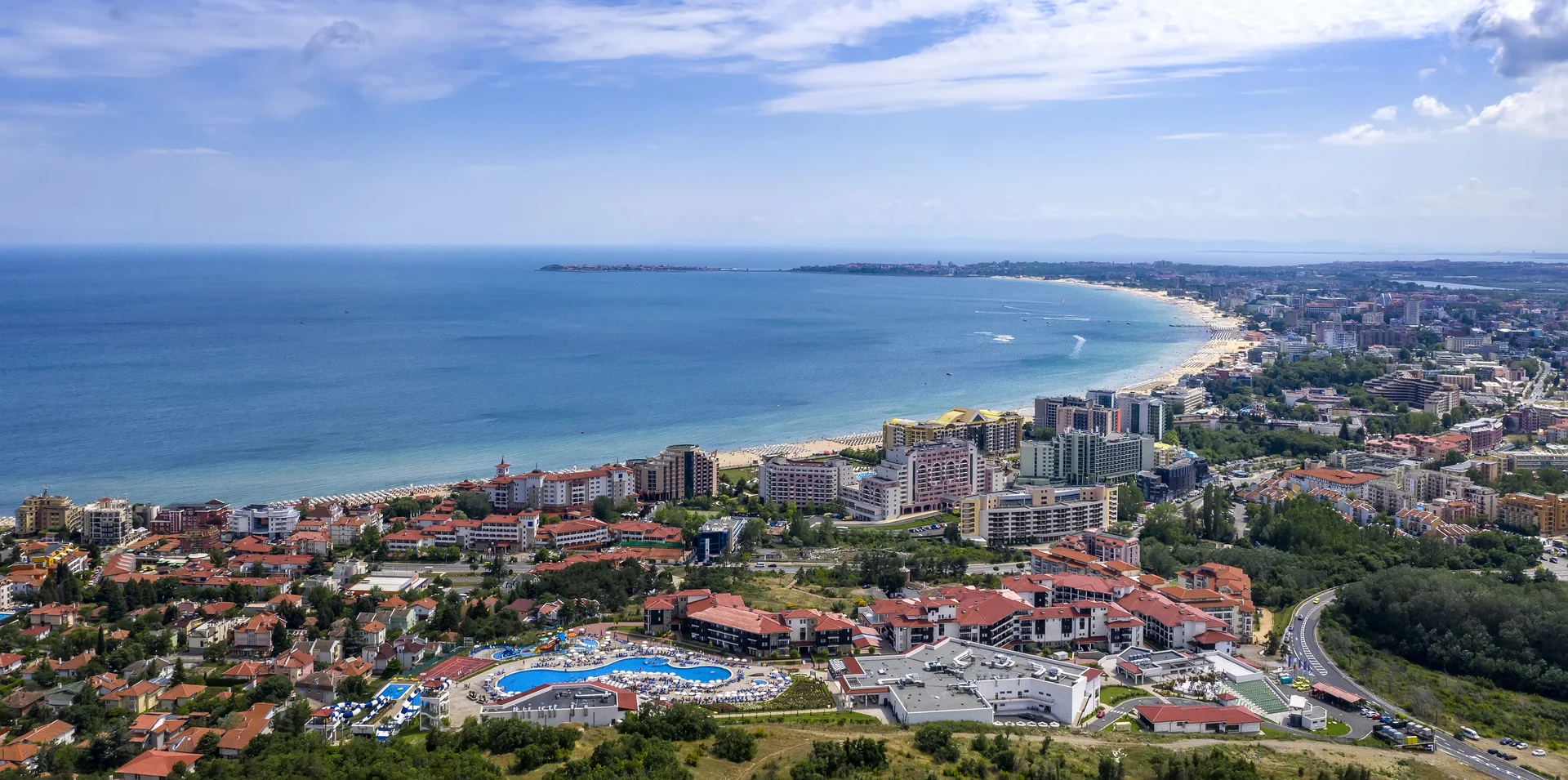
Current property listings in Bulgaria — ranging from apartments in major cities to homes along the Black Sea coast — can be explored on the Realting platform.
Posted at:
04/03/2026, 09:10


