












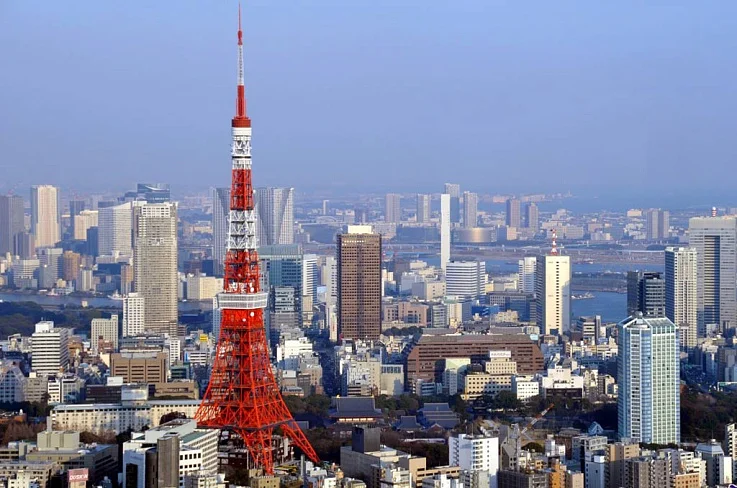


Weak Yen Drives Foreign Investment into Japanese Real Estate


💱 Since 2021, the yen has depreciated by approximately 30–40% against the US dollar. For the real estate market, this means that assets priced in yen have become significantly cheaper for foreign buyers without any change in their nominal value. A property that was previously equivalent to $500,000 can now cost around $350,000–360,000 at the current exchange rate. The difference is entirely currency-driven.
📊 In practice, this creates a pricing discount. Investors acquire the same asset in the same market at a lower entry cost. With rental yields unchanged, this directly increases returns on invested capital.
At the same time, the market itself remains stable. In major cities such as Tokyo and Osaka, residential rental yields are typically around 3–5% per year, while commercial assets can reach 4–6%. These figures have not changed. The main variable is the exchange rate at the point of entry.
⚠️ As a result, foreign demand is concentrated in major urban areas. These locations offer higher liquidity, stable rental demand, and lower vacancy risk. In regional markets, declining population leads to weaker demand and higher vacancy risk. This creates a clear divide between investment-grade cities and the rest of the market.
An additional factor is the recovery of tourism. In 2025, Japan welcomed more than 25 million visitors, supporting demand for short-term rentals in key locations. This further increases interest in centrally located apartments in major cities.
📉 The key risk remains the same factor that drives the opportunity, the currency. A weaker yen reduces the entry cost, but a stronger yen can affect returns at exit. For foreign investors, overall performance depends not only on rental income but also on exchange rate movements.
The current situation in Japan shows that currency can play a decisive role even in developed real estate markets. While rental yields remain stable, exchange rate movements create entry opportunities. This is the main reason behind the current inflow of capital, not market growth, but a lower effective purchase price compared to previous years.
Posted at:
20/02/2026, 07:00


