












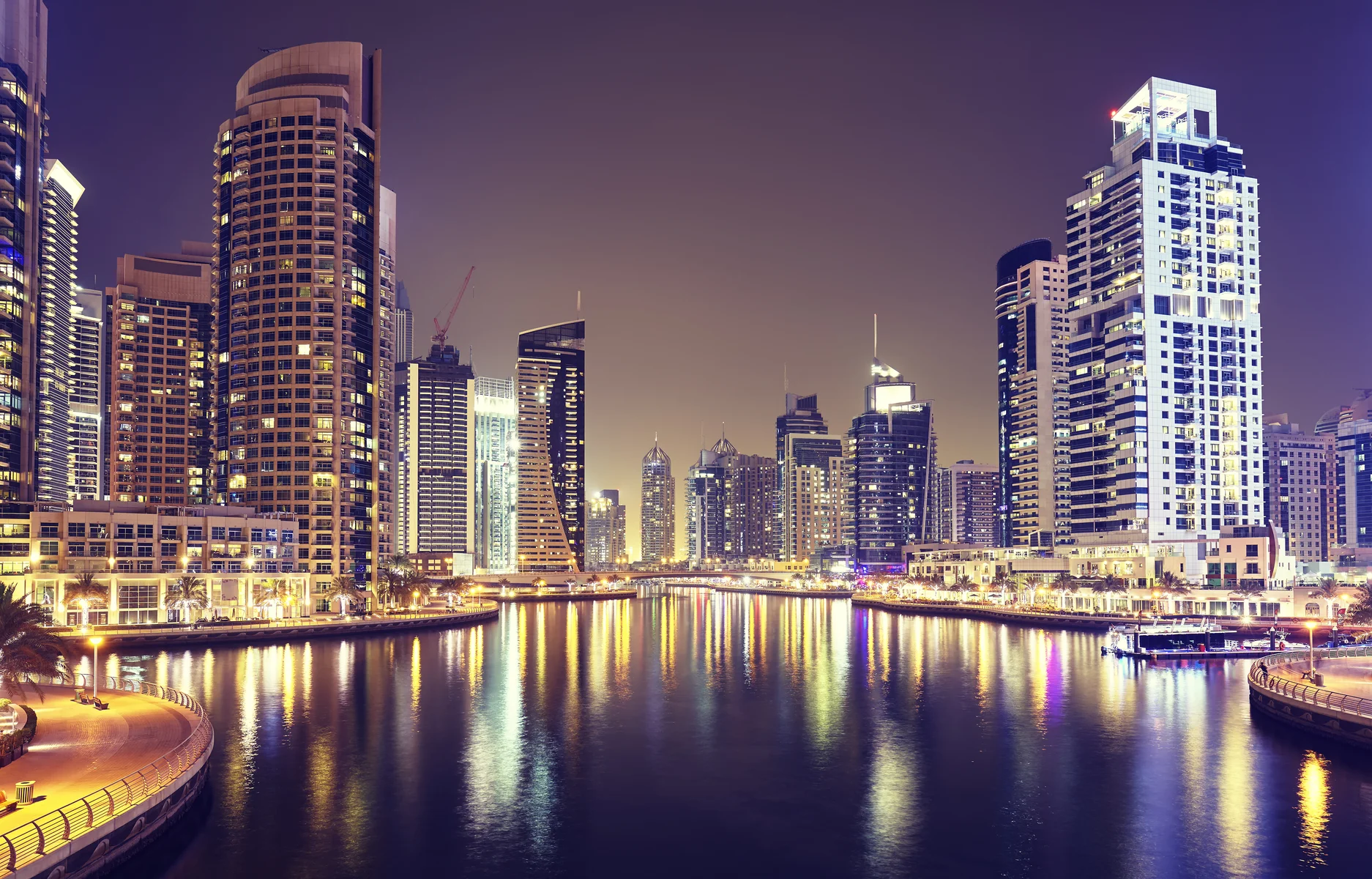

Risk of a housing oversupply in Dubai in 2026


📈 Price trends show that growth continued in 2025, but at a lower pace. According to Cushman & Wakefield, residential prices in Dubai increased by 13% year on year in 2025. In the same line of analysis, higher growth rates are cited for previous years: around 22% in 2023 and 18% in 2024. This suggests the market remains strong, but it is more sensitive to rising supply than it was at the peak.
🏢 The renewed focus on oversupply is driven by the scale of future completions. ValuStrat estimates that roughly 131,234 housing units could be delivered in 2026, and about 81% of that total would be apartments. Knight Frank reports that more than 160,000 units could reach the market in 2026. The difference between these figures is typically explained by different project coverage and different ways of accounting for construction delays, but the core point remains the same: the potential volume of new supply in 2026 is large.
🗺️ Oversupply risk rarely appears evenly across an entire city. It tends to concentrate in segments where a large number of similar properties enter the market at the same time. In Dubai, this is more likely to affect apartments, since they make up the majority of the projected new deliveries. When comparable projects in the same price range are completed in close proximity, competition intensifies within that segment. In that environment, tenants have more options, and sellers more often make concessions to close deals.
💼 In practical terms, three outcomes are likely:
— In areas with a high number of new completions, tenants can choose more freely, so rent growth slows and lease terms become more flexible.
— When many comparable ready units appear nearby, selling periods lengthen and discounts become more common.
— Units that stand out from neighbouring supply tend to hold up better, including stronger layouts, views, building quality, finish levels, reliable property management, and superior access to infrastructure and transport.
🔥 Market overheating does not usually show up as a sudden crash. It more often appears as a series of practical effects, with the market shifting from scarcity to competition. This typically means more price reductions in listings, longer marketing periods, more incentives from developers, and pressure on rents in locations with a dense pipeline of new projects. For investors, this increases the risk of lower returns over a 6–18 month horizon, because fixed costs remain while rents and resale timelines become less predictable.
⚖️ Oversupply concerns in Dubai are not new, but the market has repeatedly avoided a hard reset thanks to strong population inflows, sustained demand from non-residents, flexible delivery schedules, and project delays that effectively spread new supply over time.
✅ The overall conclusion is that oversupply risk in 2026 is most relevant for segments and locations with a high concentration of new apartment completions. In the rest of the market, the impact may be weaker or may not appear at all if supply is limited and demand continues to absorb deliveries.
Posted at:
17/02/2026, 12:49


