













Germany Tightens Rules for Furnished and Short-Term Rentals


🧩 In practice, the market has learned to bypass price checks in two main ways:
— Furnished rentals. An apartment is marketed as furnished, and the higher rent is justified by the presence of furniture. The problem is that listings and contracts often do not clearly break down the price into what the rent costs for the apartment itself and what portion is an extra charge for the furniture. As a result, it becomes difficult to verify whether the base rent is being inflated.
— Short-term rentals. The apartment is rented out as temporary accommodation, for example for a few months. This type of temporary rental (Vermietung zum vorübergehenden Gebrauch, often marketed as Wohnen auf Zeit) has, in some cases, fallen outside parts of the rent restrictions, which is why it has been used to charge higher rates.
📊 As a result, part of the housing stock shifts into the more expensive segment of temporary furnished rentals, while the regular long-term market deteriorates: supply shrinks and upward pressure on rents increases. This leads to a major rent gap: around €24.44/m² for furnished listings versus €11.54/m² for standard rentals. In its Berlin monitoring, the German Tenants’ Association (Deutscher Mieterbund) reports that roughly every fifth listing was furnished (21.80%) and that 69% of cases showed signs of breaches of the rent price cap.
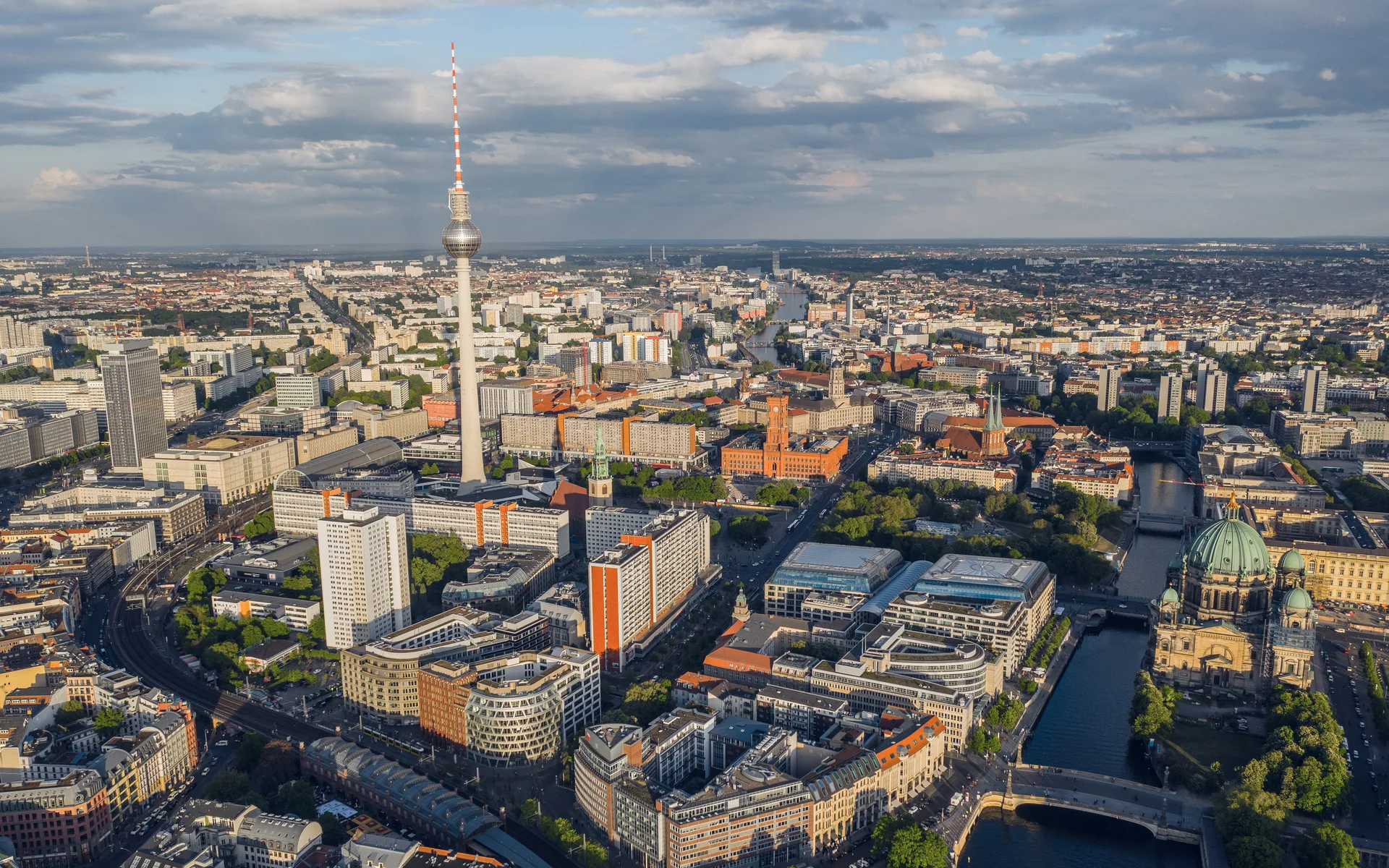
The pilot measures are planned specifically for Berlin because this segment is the largest there. According to Investitionsbank Berlin, the number of listings for furnished time-limited living increased from 9,602 in 2012 to 27,402 in 2022, a rise of roughly 185%.
🧾 The Mietrecht II reform package introduces three core measures:
Breaking down the price of a furnished apartment. Under the proposed approach, the contract and calculation must separately state the base rent, meaning the price of the apartment itself, excluding utilities and additional services (Nettokaltmiete). The surcharge specifically for furniture (Möblierungszuschlag) must also be stated separately. If it is not shown and the landlord cannot explain how it is calculated, the apartment would be treated as unfurnished for the purpose of checking compliance. In other words, inflating the rent via “hidden” furniture pricing would no longer work.
🛋️ A cap on the furniture surcharge for fully furnished apartments. The proposal sets out a simple mechanism: if the apartment is fully furnished, the furniture surcharge may be set at a fixed 5% of the base rent (5% of Nettokaltmiete). This removes the need to itemize each piece of furniture and calculate depreciation.
⏳ Limiting temporary rentals by duration and by reason. The proposal sets a maximum duration of six months for a temporary rental contract. This means temporary rentals would only be possible within a clearly justified, genuinely time-limited situation for the tenant.
These measures are intended to solve three problems:
— Make prices verifiable. Once the base rent is separated from the furniture surcharge, it becomes easier to see where the real rent ends and the surcharge begins.
— Reduce incentives to push housing into the expensive temporary segment. If temporary contracts are limited and cannot be used as a permanent model, more apartments should return to the standard long-term market.
— Restrain rent growth in overheated markets. In Berlin, the share of furnished listings and the share of suspicious overpricing cases, according to the DMB, are large enough for policymakers to treat this as a systemic issue.
📌 With these measures, it becomes harder for owners and investors to inflate rents through furniture pricing. Furnished rentals are not being banned, but their profitability is expected to move closer to standard long-term rentals, and the extreme premiums of 50% over regular rents should largely disappear.
🏛️ For now, this is still a draft proposal. It has been published and is under discussion, with official explanations and a draft text available. It is not yet final law. It still needs to go through the legislative process in the Bundestag, and the wording may change.
Posted at:
17/02/2026, 11:52


