











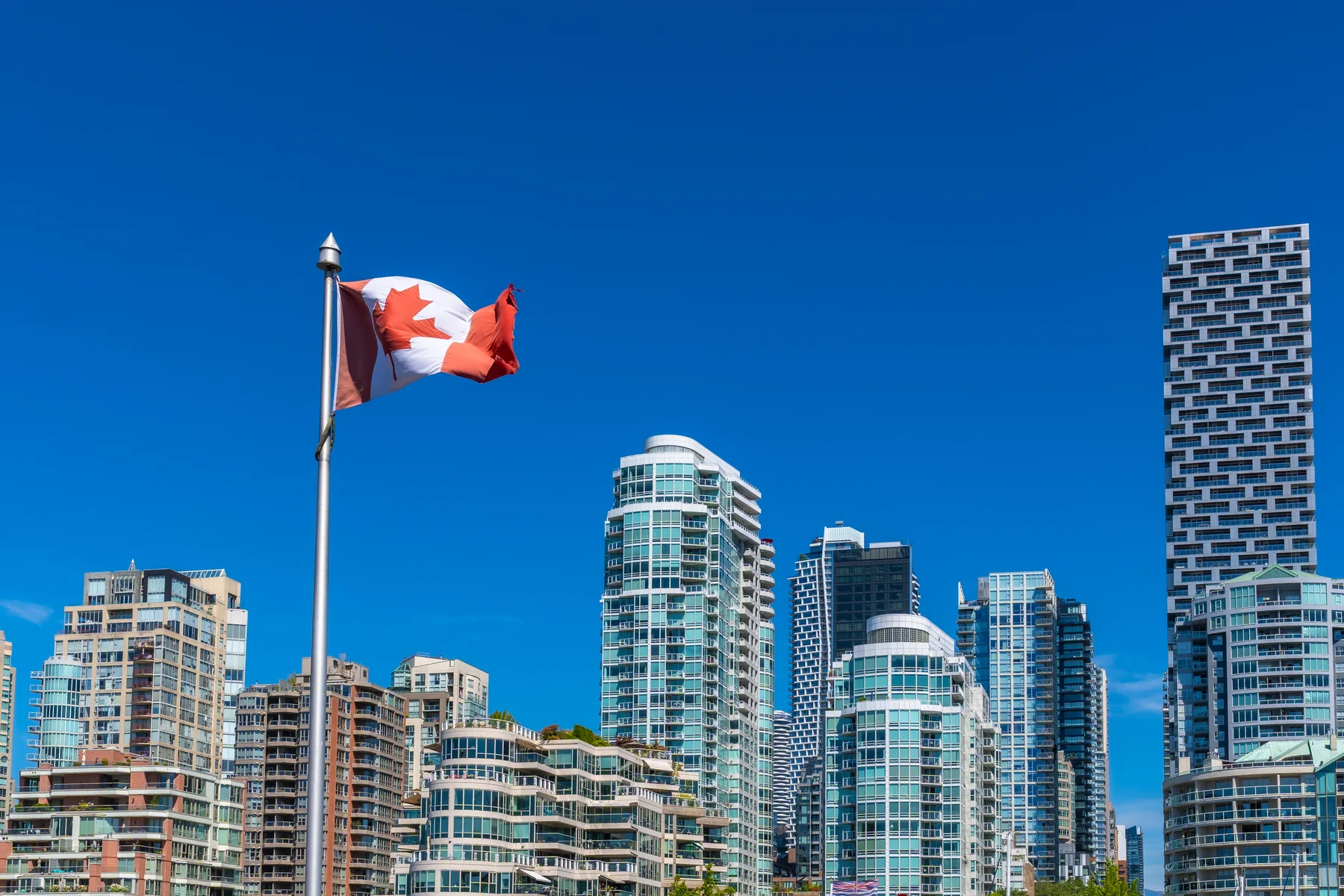


Canada extends ban on foreign homebuyers


🏠The ban was initially intended to reduce speculative demand and improve housing affordability for local residents. However, over the past two years it has become clear that the key issue in the Canadian market is a structural housing shortage. In major metropolitan areas such as Toronto and Vancouver, supply is not keeping up with population growth.
📊Market data indicates that foreign buyers accounted for only about 2 to 6 percent of total transactions before the ban. At the same time, average housing prices increased by more than 90 percent between 2015 and 2022, with some regions seeing prices more than double.
⚖️The restriction applies to residential property, including apartments, houses and townhouses, as well as properties with up to three dwelling units, mainly in large urban areas. The market is not completely closed. Purchases remain available for permanent residents, certain categories of work permit holders and international students under specific conditions. Commercial real estate is generally not subject to the ban.
📉Despite these measures, the expected price decline has not materialized. In 2024 and 2025 some regions recorded corrections of 5 to 15 percent, but by 2026 the market is stabilizing.
📈As a result of these restrictions, capital is gradually shifting to countries with more open real estate markets. The main destinations include the UAE, Turkey, Greece and several Asian markets, where foreign buyers can still enter freely and achieve higher potential returns. Local regulatory measures are increasingly influencing global investment flows.
Posted at:
13/02/2026, 08:18


