












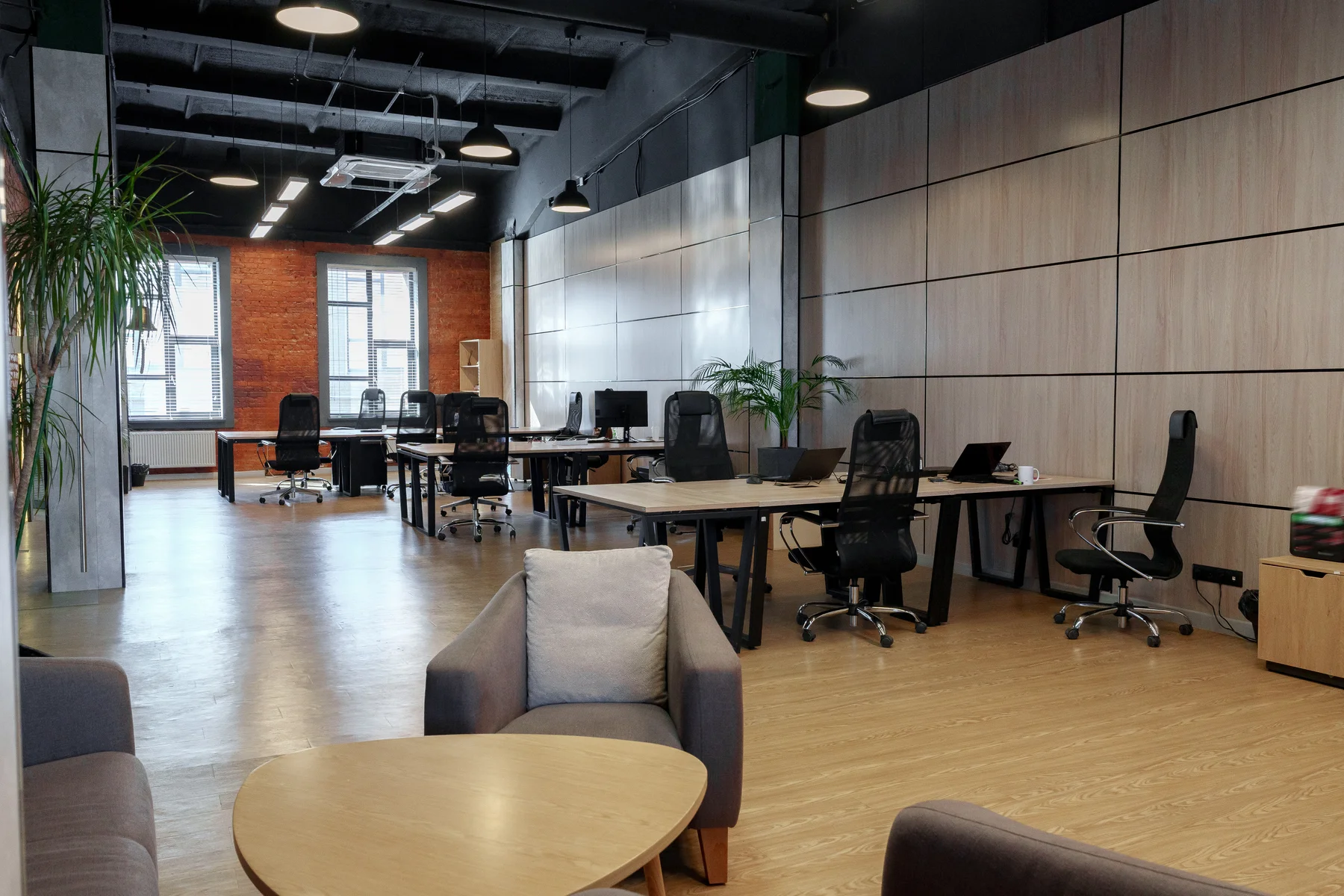





Recovery of demand for office real estate in 2026


📊In the central business districts of London, Paris, New York and Hong Kong, the volume of vacant office space in modern buildings has decreased significantly. In 2025, vacancy in this segment fell below 3% of total office stock. In certain locations, the share of available space in top-quality offices dropped to the lowest levels seen in recent years, which directly supported rental growth. In newly built and fully refurbished offices, rents are now 40–50% higher than in 2019.
📈The recovery of the office market does not imply a return to previous patterns of space usage. Companies are revising their workplace strategies and increasingly reducing their exposure to large volumes of outdated office space. Demand is instead concentrating in a smaller number of offices with higher requirements for location, building systems and overall functionality.
In 2026, demand for office real estate is shaped by several core characteristics:
— offices located in central or well-connected business districts;
— modern engineering systems, high-quality ventilation and strong energy efficiency;
— flexible layouts that support team-based work and in-person collaboration.
💡Against this backdrop, the market is becoming increasingly segmented. Modern offices in strong locations are leased quickly and maintain high rental levels, while outdated buildings continue to lose tenants and require either substantial investment in modernisation or a change in functional use.
For the market as a whole, this shift marks a transition from a volume-driven model to a quality-driven one. Office real estate retains its importance as a component of urban economies and corporate infrastructure. However, demand and investment appeal are now concentrated within a relatively narrow segment of high-quality assets.
Posted at:
11/02/2026, 09:15


