












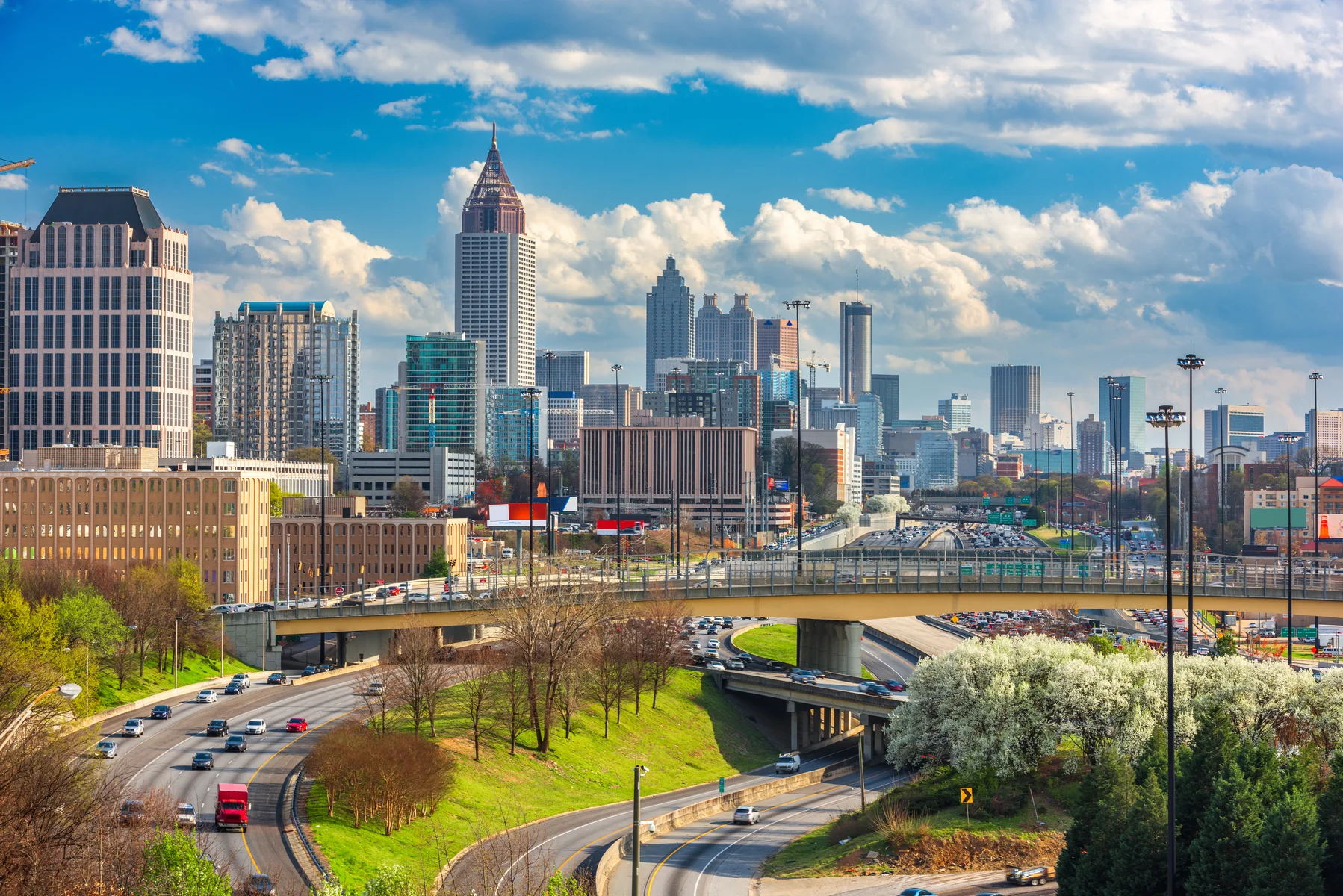


The number of failed home sales is rising in the U.S. housing market


📊 According to metro-level data, the highest cancellation rates were recorded in:
— Atlanta: 22.5%
— Jacksonville: 20.6%
— San Antonio: 20.6%
📌 The primary driver behind canceled transactions is financing. Mortgage rates in the U.S. remain elevated at around 6%, compared with approximately 3% in 2022–2023, significantly reducing credit affordability. Buyers often obtain pre-approval and sign a contract, only to see the lender reduce the approved loan amount or deny financing altogether during final underwriting.
The second major factor is the bank appraisal of the property. In many cases, the lender’s final valuation comes in below the contract price. Buyers are then required to cover the difference in cash or exit the deal, which is occurring with increasing frequency.
The third factor relates to home inspections. Buyers increasingly identify defects that require additional repair costs. These findings often trigger renegotiation attempts or lead to deal termination, especially when sellers are unwilling to lower the price or compensate for the issues discovered.
📈At the same time, the rise in canceled transactions does not indicate a market collapse. The number of homes listed for sale in January 2026 increased by approximately 10% year over year, although inventory levels remain below pre-pandemic norms.
During the same period, the number of homes going under contract increased by 1.2% year over year, and existing-home sales in December 2025 rose by 5.1% month over month. This suggests that transactions continue to occur, but the process has become more sensitive to financing conditions, appraisals, and property condition both from the perspective of lenders and buyers.
Posted at:
09/02/2026, 06:50


