














Government Pressure Intensifies on South Korea’s Residential Property Market


📈 Prolonged price growth has become a key economic and social factor, prompting a response from the country’s new leadership. President Lee Jae-myung has identified the housing market as a priority area of state policy, directly linking rising prices to deteriorating living conditions for young households and declining access to first-time homeownership.
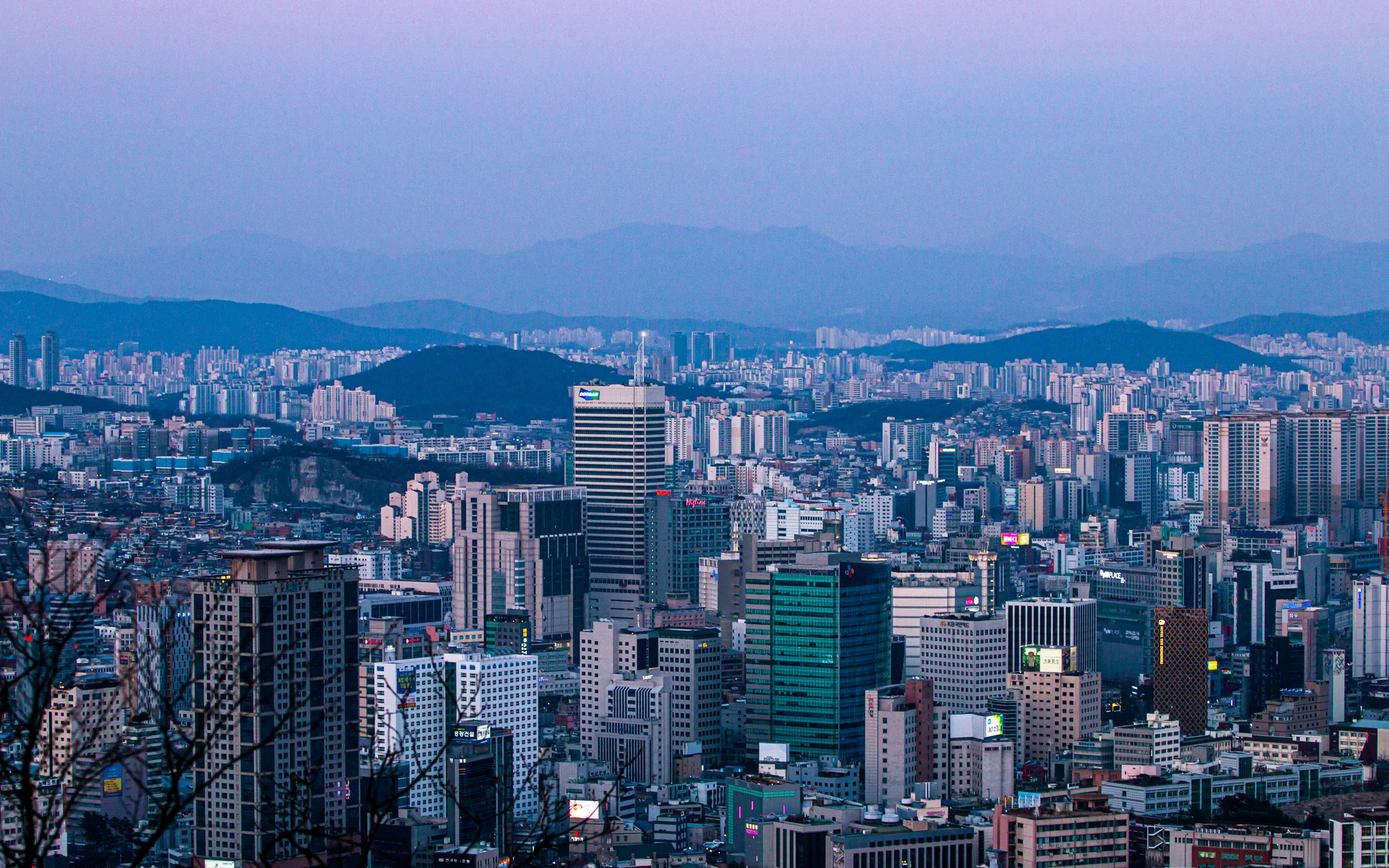
🏙️ The capital market remains the most overheated segment:
— price growth in Seoul continued for more than 12 consecutive months into early 2026;
— the average apartment price in the city exceeds 1 billion Korean won, equivalent to approximately $900,000–950,000;
— housing prices have been rising far faster than household incomes.
This has made homeownership unattainable for a significant share of potential buyers, particularly those under the age of 40.
🏦 Investment-driven demand is at the center of government criticism. A substantial share of housing transactions involves buyers who already own two or more residential properties. Regulators argue that this segment intensifies supply shortages and sustains upward price pressure, especially in Seoul and its surrounding areas.
📉 The government’s response has taken the form of increased tax and regulatory pressure:
— higher taxes on second and subsequent residential properties are under consideration;
— changes to capital gains taxation on home sales are being discussed;
— strict mortgage lending limits remain in place, including loan-to-value and debt-to-income thresholds.
💰 The scale of accumulated price growth remains significant:
— housing prices in South Korea have risen by nearly 30% over the past two years;
— Seoul has accounted for the largest share of this increase;
— housing prices in the capital have long exceeded historical affordability benchmarks.
🌏 South Korea’s policy approach fits into a broader regional context. Major Asian megacities with constrained housing supply face a similar tension between the investment appeal of real estate and its social function. Under such conditions, stronger state intervention in housing markets has become increasingly difficult to avoid.
⚠️ For investors, this implies rising regulatory risk. Historical experience shows that aggressive policy measures can lead to short-term market cooling but do not always resolve underlying supply shortages. In an environment of low rental yields and higher tax burdens, the investment appeal of Seoul’s residential property market may continue to decline.
Posted at:
04/02/2026, 13:16


